

For years, archaeologists have analyzed the remains of the populations Pavlovianlived in central Europe between 29,000 and 25,000 years ago. These Paleolithic hunters-hunters, whose name derives from the Pavlov hills in the current Czech Republic, were incredibly advanced for the time. They used sophisticated stone technologies to survive the rigid climate, hunted mammoths, created intricate ivory sculptures and developed some of the first ceramic technologies. In addition, they built cover with mammoth bones.
But to reveal a surprising aspect of their culture are their teeth.
Unusual signs on the teeth suggest the use of facial piercings in the Pavlovians
John C. Willmanresearcher of the laboratory of prehistory (Ces) at the University of Coimbra, he noticed distinctive wear on the buccal surface (facing the cheek) of Molari, Prelary and Canini In most teenagers and almost in all Pavlovian adults.
“The wear of the nail polish on the lateral surfaces of the teeth immediately reminded me of the signs left by the Labrets (facial piercings) observed in several bioarcheological, ethnographic and clinical cases”Willman explained in a post on his blog. “In addition, I found anomalies in the teeth, such as crowding and rotations, which could have been caused by the continuous pressure exerted by these ornaments, an effect opposite to that of the orthodontic appliances that straighten the teeth.”
A’microscopic analysis The wear and tear of the enamel confirmed the presence of smooth and flattened surfaces, compatible with the repeated rubbing of an object against the internal part of the cheek for years.
Piercing or another habit? Alternative theories and missing tests
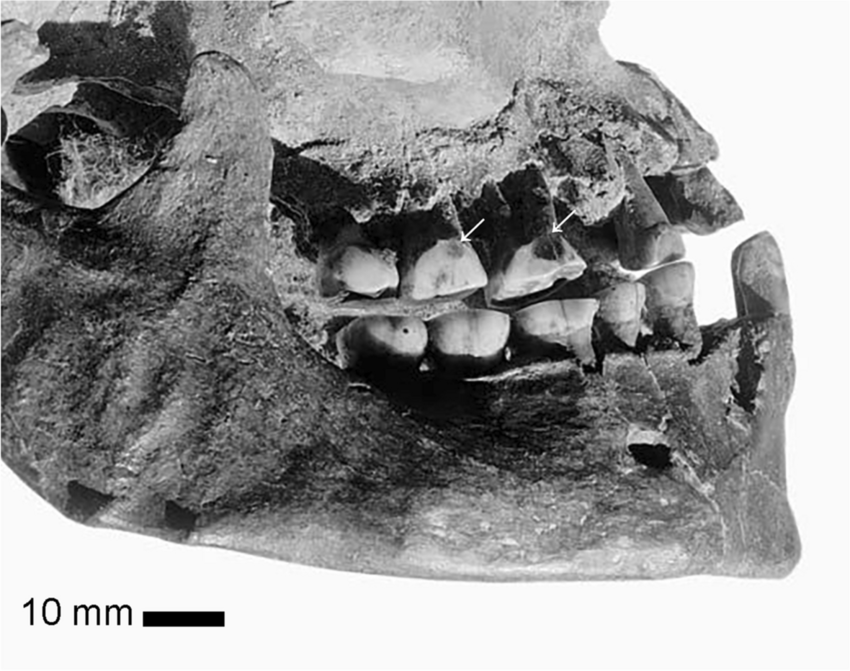
Some scholars had hypothesized that the Pavlovians could suck small stones To relieve thirst, a behavior documented in some indigenous populations. Others had suggested unknown repetitive activities that could have caused the wear of the teeth. However, Willman is convinced that the most plausible explanation is the use of Labret or other types of facial piercings.
The data also show that i children between 6 and 10 years old they already had signs of dental wear on one side of the mouth, while adults showed bilateral wear. This suggests that some individuals began with a single piercing and added a second in old age. This could indicate a rite of passage or a symbol of social status.
A problem, however, remains unsolved: No tomb has returned Labrets or similar objects. It is possible that these piercings were made with puritable materialslike wood or leather, or that were reused and handed down.
“I hope that future analysis of Pavlovian archaeological finds can bring to light artifacts similar to the Labrets documented in other parts of the world”says Willman.
If i Facial Piercing they were actually widespread among the Pavlovians, it is likely that they had a Deep cultural meaningsimilar to the tattoos and body changes present in many modern companies.
A widespread custom between young people and adults of the Paleolithic
Regardless of the precise cause, the fact that All adults, most teenagers and some children they presented the same type of dental usury indicates that this practice was widely shared among the Pavlovians.
The study, entitled “Probable use of Labrets Among the Mid-Upper Paleolithic Pavlovian Peoples of Central Europe”was published in Journal of Paleolithic Archaeology.
