
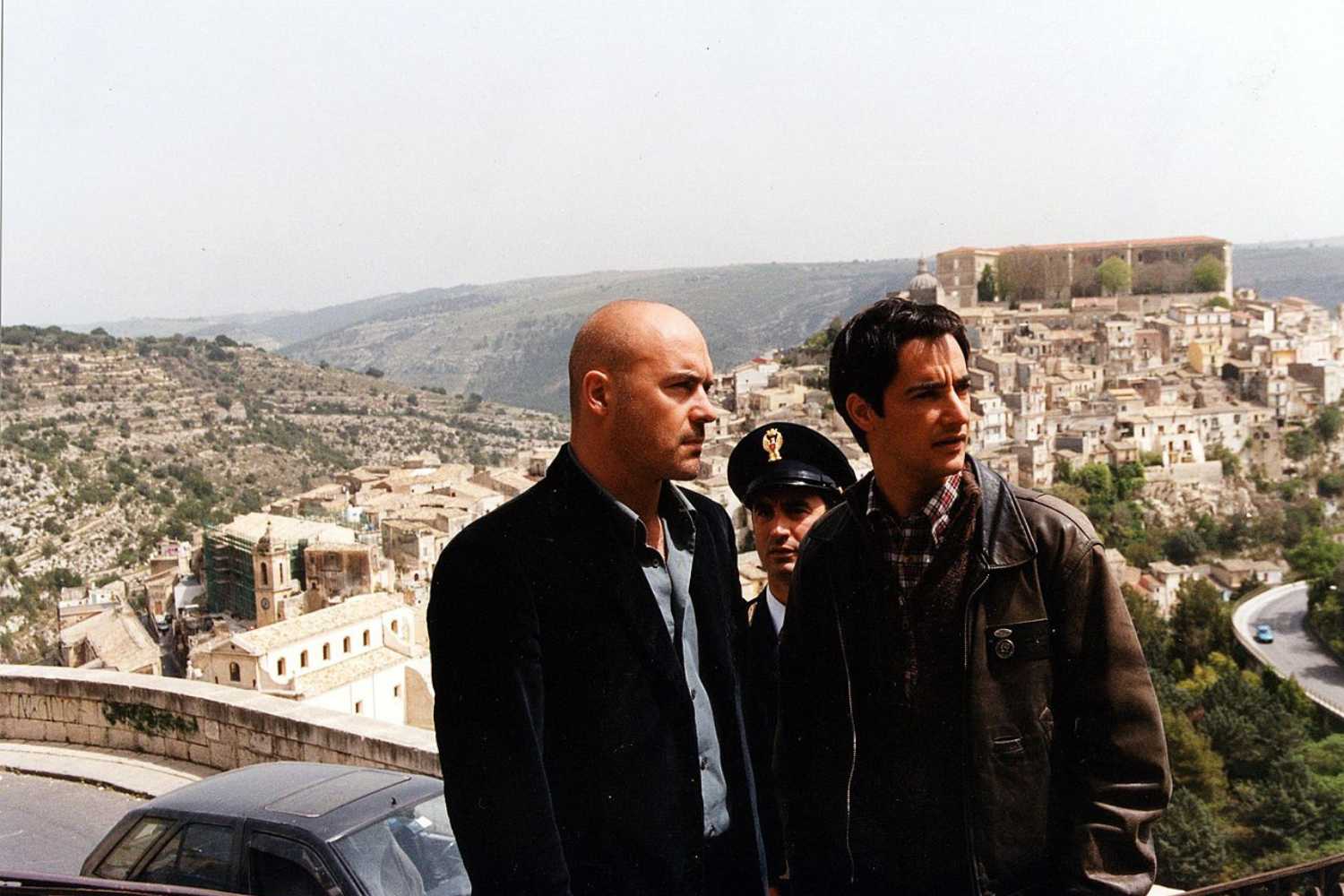
Commissioner Montalbano returned in prime time on Rai 1 with a special cycle of replies to celebrate the hundred years since the birth of Andrea Camilleri (on air every Tuesday – starting from September 6 – at 9.30 pm on Rai 1 with 15 episodes of the Rai Fiction series).
And while millions of Italians are preparing to review Luca Zingaretti in the role of the most loved commissioner of television, we take you on an exciting journey through the real places that are the background of his investigations.
From the book to the small screen: when fiction exceeds reality
The magic of Montalbano began in 1994 with “The form of the water”, the first novel by Andrea Camilleri dedicated to the Sicilian Commissioner. The writer of Porto Empedocle had a precise idea: to tell his Sicily through the eyes of a gruff police but with a golden heart. In almost thirty years he wrote 24 novels and 6 collections of stories, for an unprecedented editorial phenomenon.
The television series was produced from 1999 to 2021 and broadcast by Rai, over 20 years of transmission in which the novels have been transformed into 37 episodes that have conquered over 10 million spectators. A success that made Montalbano an international icon, so much so that the fiction was sold in 60 countries.
The stroke of genius that makes this journey unique? Camilleri invented an imaginary geography that perfectly overlaps the real one. Vigàta corresponds to Porto Empedocle, the hometown of Camilleri, while Montelusa is nothing more than Agrigento. Svecca becomes Sciacca, Merfi is Menfi, Fela hides Gela. A game of mirrors that fascinates and that can confuse, given that fiction and reality are expertly mixed to give life to a sort of parallel universe, which however really exists, albeit under other remains.
The double life of Vigata: between paper and film
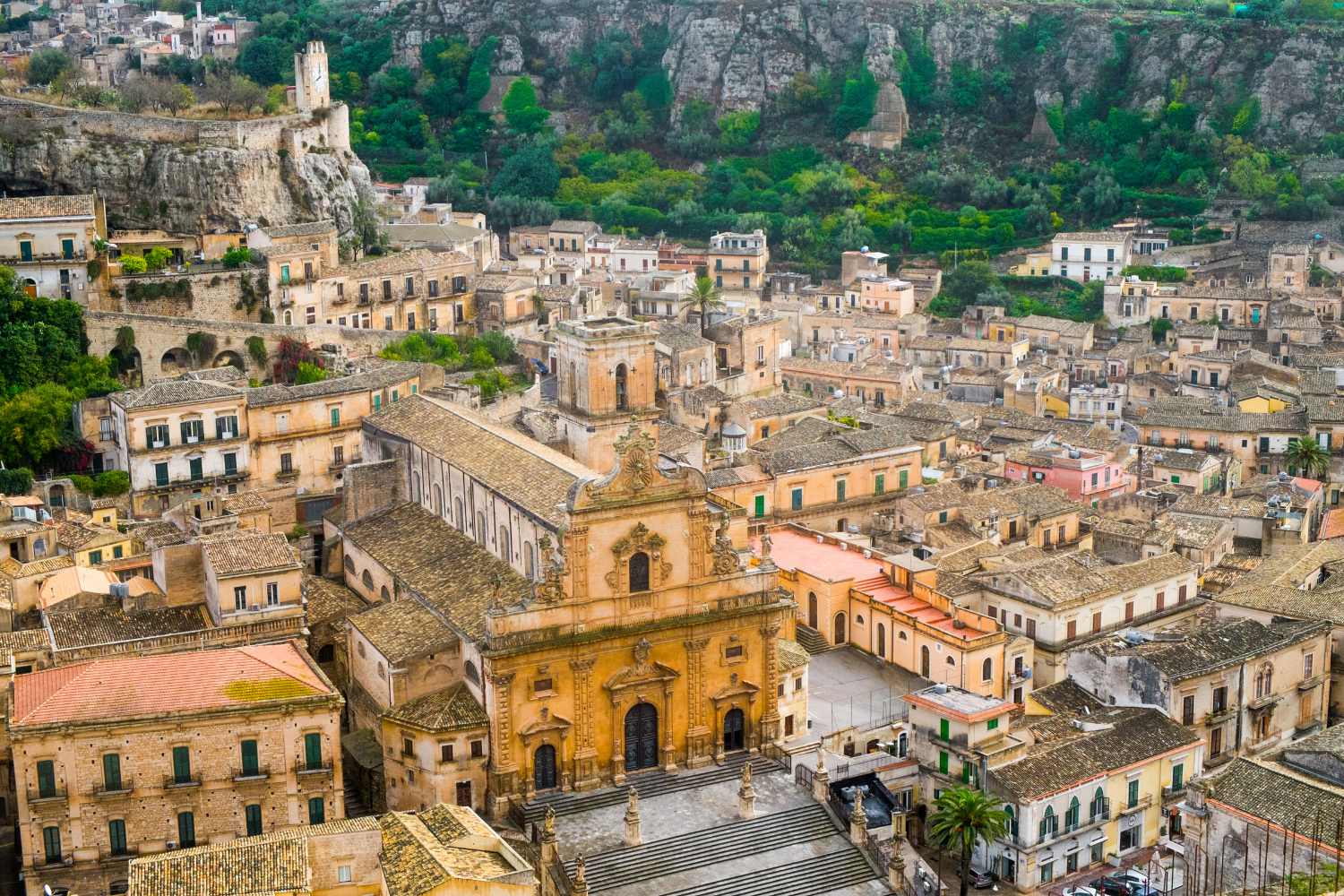
There is something extraordinary in this story. While in the novels Vigata is clearly Porto Empedocle, with the streets, the port, the Grannet climb and even the real restaurants such as the San Calogero Osteria in via Roma, the television production has made a bold choice: the producers chose the Val di Noto as the main location, declared Unesco heritage in 2002.
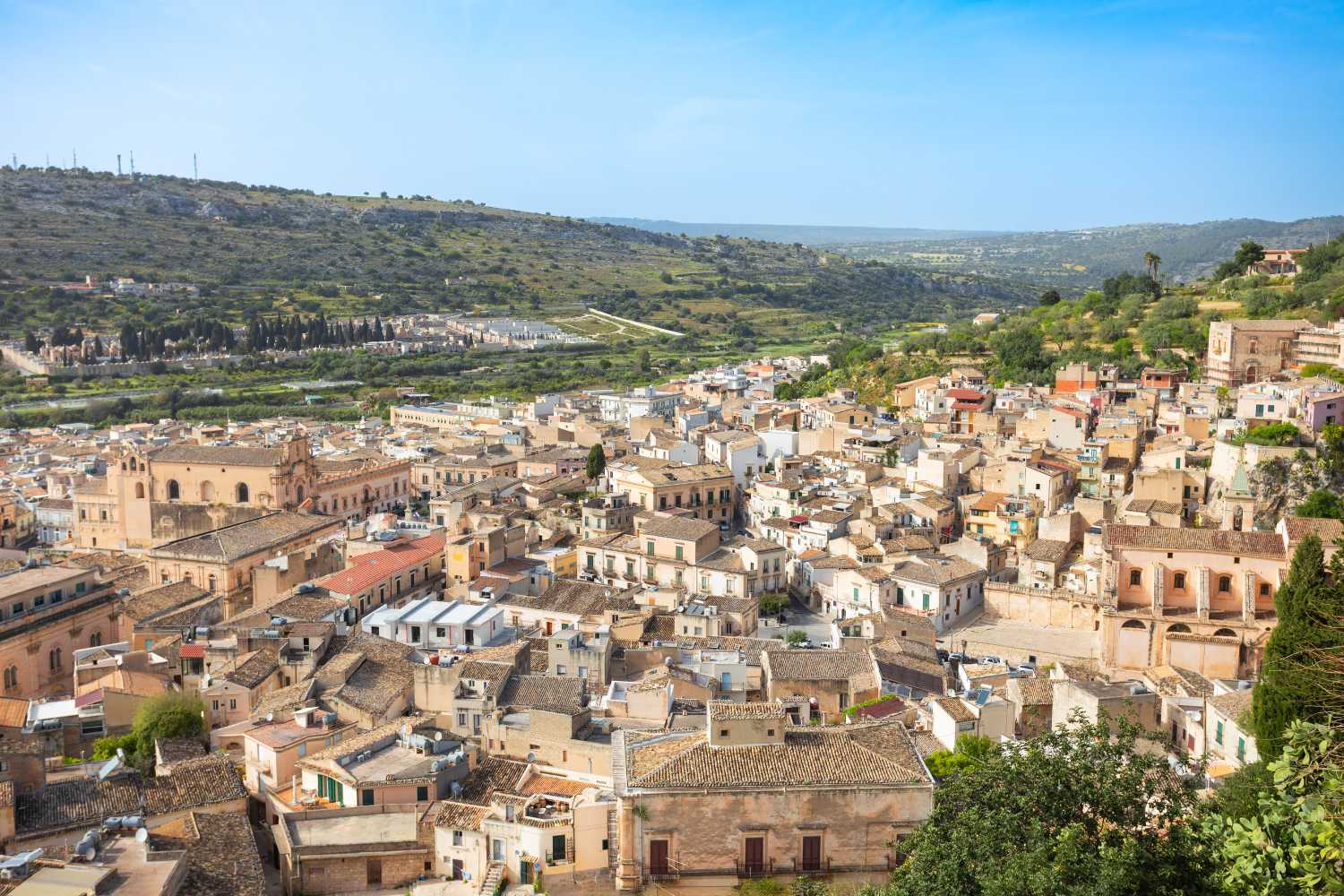
The reason? The province of Ragusa offered baroque scenarios of rare beauty, a perfect light for filming and that timeless charm that made millions of viewers fall in love. Thus was born a television vineyard that lives between Scicli, Ragusa Ibla, Modica and Punta Secca, who created a curious paradox: two vineyards, both real, who coexist in the collective imagination.
A tour that will make your heart beat
We start from Scicli, where the town hall turns into the Vigata police station. Here you can cross the same threshold that Montalbano crosses every morning, go up the stairs that lead to the commissioner’s office (actually the mayor’s room) and imagine the nice Catarella who cripples the names at the switchboard. The ticket for the guided tour is worth every penny: the emotion of sitting at the commissioner’s desk is priceless.
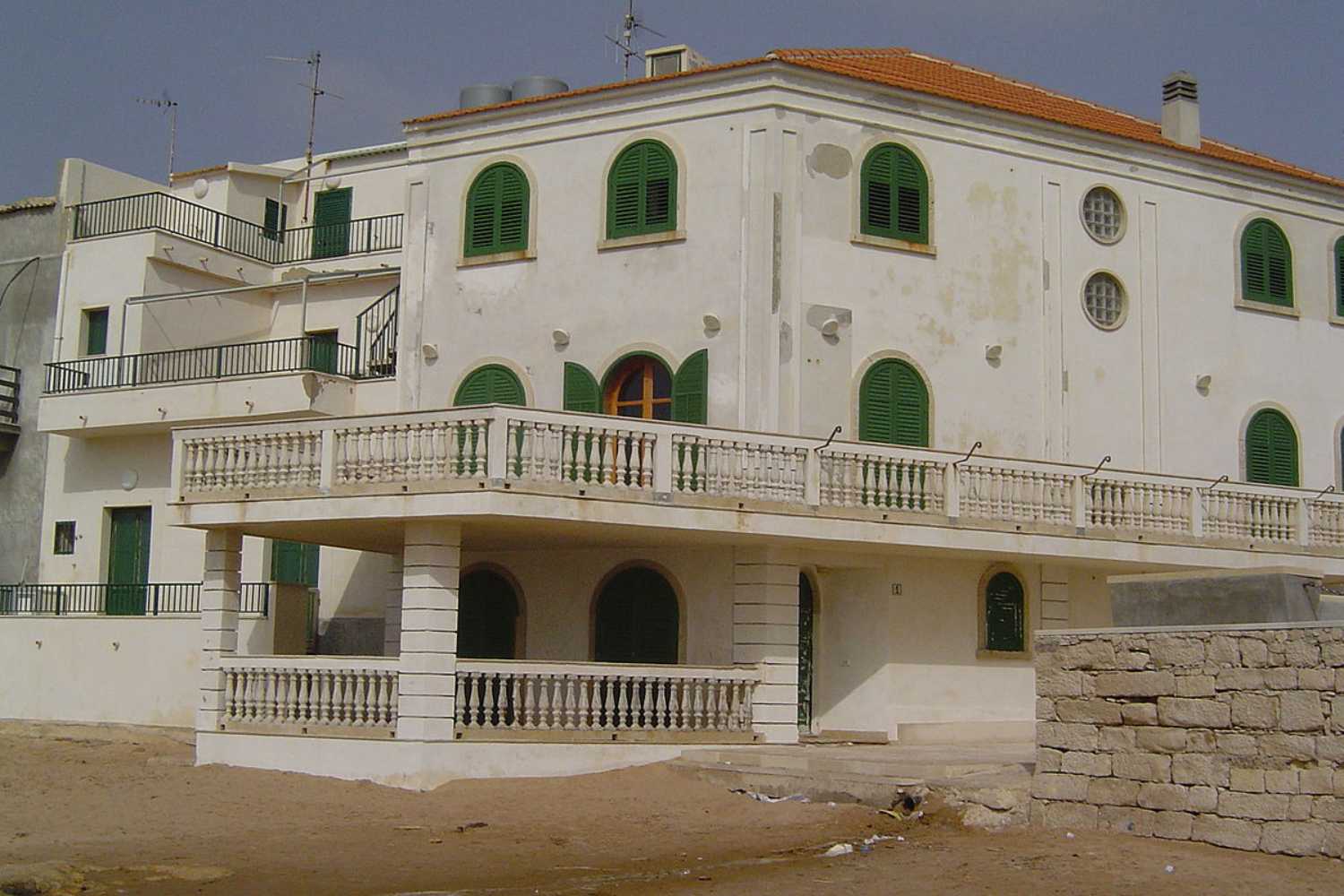
The real jewel is the house of Montalbano in Punta Secca, a hamlet of Santa Croce Camerina, near Ragusa. The terrace on the sea where it except for breakfast looking at the waves really exists and has become a bed & breakfast. You can sleep in the commissioner’s bed, wake up with the sound of the sea and take a swim where he dives every morning (although you will hardly have his courage to do it in winter!).
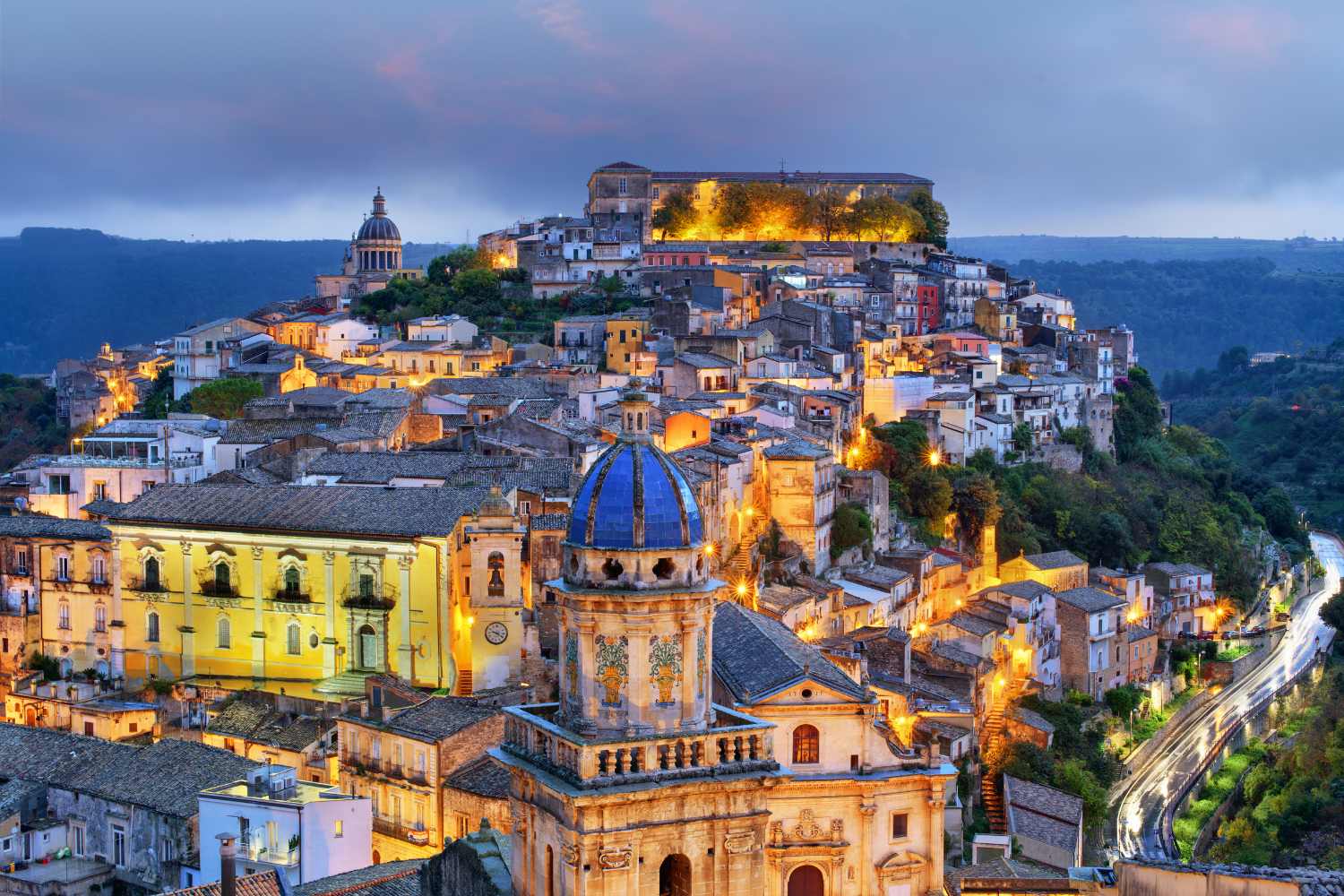
Ragusa Ibla, part of the historic center of Ragusa, is pure baroque poetry. Piazza Duomo becomes the beating heart of Vigata, the conversation club hosts the notables of the city, while the Iblei gardens offer glimpses that remove their breath. Walking through these alleys you will understand why the location itself has become the protagonist of the series.
You cannot miss Modica, with the Cathedral of San Giorgio which often is the backdrop to the Livia races in the bus. And then there is the Castle of Donnafugata, home of the boss Balduccio Sinagra, with that labyrinth that made “the trip to Tindari” as a scenario. In spring, when the garden explodes with colors, it is a show that reconciles with the world.
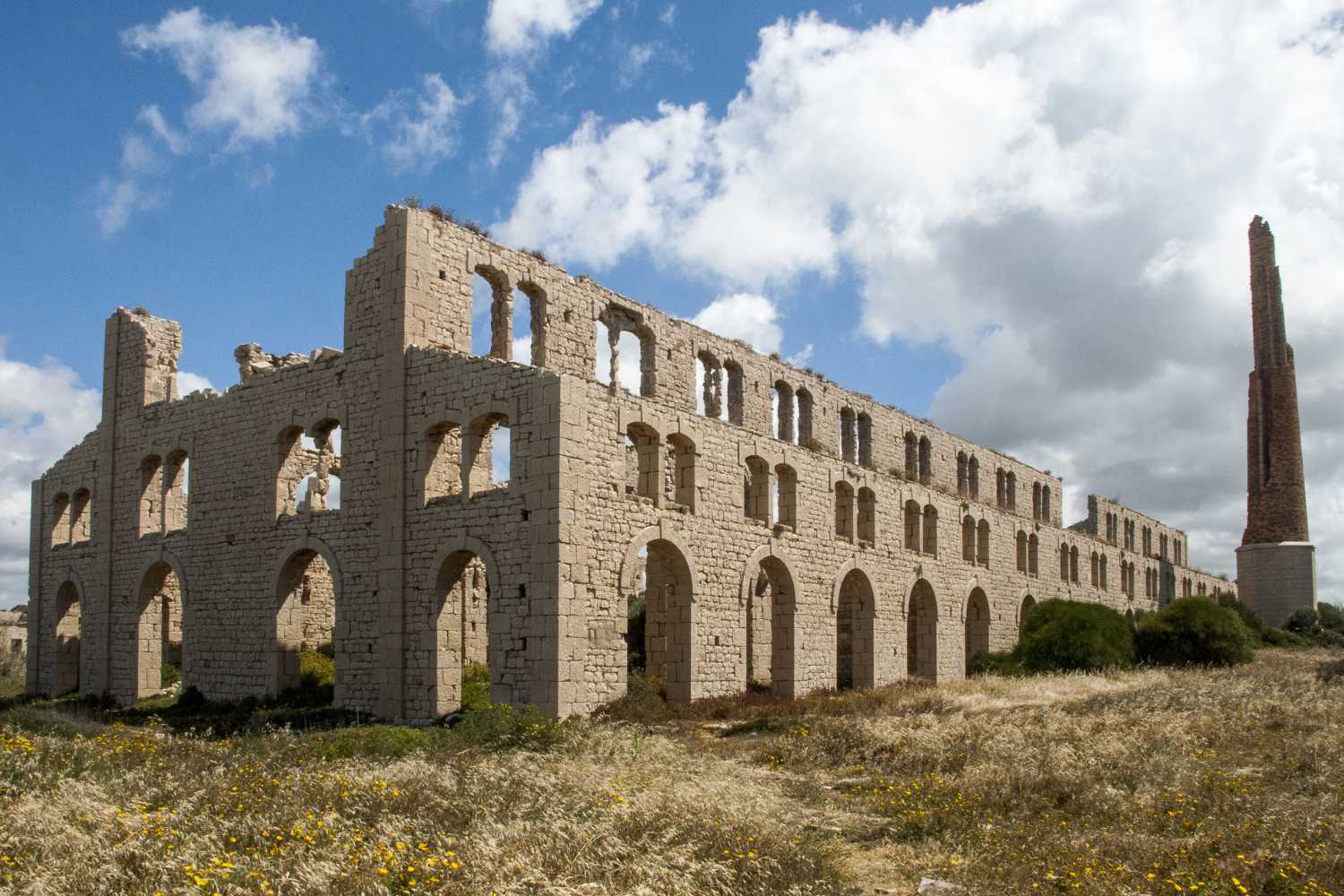
The true gem, the one that will make you shiver, is the Fornace Penna, located at Sampieri, a hamlet of the aforementioned municipality of Scicli. In the fiction it is the Mànnara, a malfamated and dangerous place, while in reality it is an industrial ruin overlooking the sea, wild and beautiful, where silence is broken only by the wind and the waves. A place that tells stories of industrial archeology and that at sunset acquires further charm.
Don’t you want to lose our news?
