

It often happens, while walking in the city parks of Northern Italy, especially in the late summer period, between August and September, that you come across hundreds of hairy caterpillars that fall from the trees or move frantically on the grass. This is not the feared processionary moth, but the American Ifantria, a moth that is creating quite a few problems for urban and forest greenery.
An unwanted guest arrived from America
The American Ifantria, whose scientific name is Hyphantria cuneabelongs to the family of Erebidi. Its European history begins in the 1940s, when it was accidentally introduced into Hungary. From there it began its expansion, reaching Italy in the 1980s. The first report in our country dates back to those years in the province of Reggio Emilia, and then quickly spread to Lombardy and throughout northern and central Italy.
Native to North America, where it lives from Canada to Mexico, the species has demonstrated an extraordinary ability to adapt. Today we can find it in Europe, but also in China, Japan, Korea and Russia, an expansion that demonstrates enormous qualities of resistance and adaptability.
How to recognize Ifantria: from the egg to the butterfly
The adult looks like a white nocturnal butterfly, with a wingspan of approximately 2.5-3 centimeters. Some local variants show white wings speckled with black, with males displaying these markings more frequently.
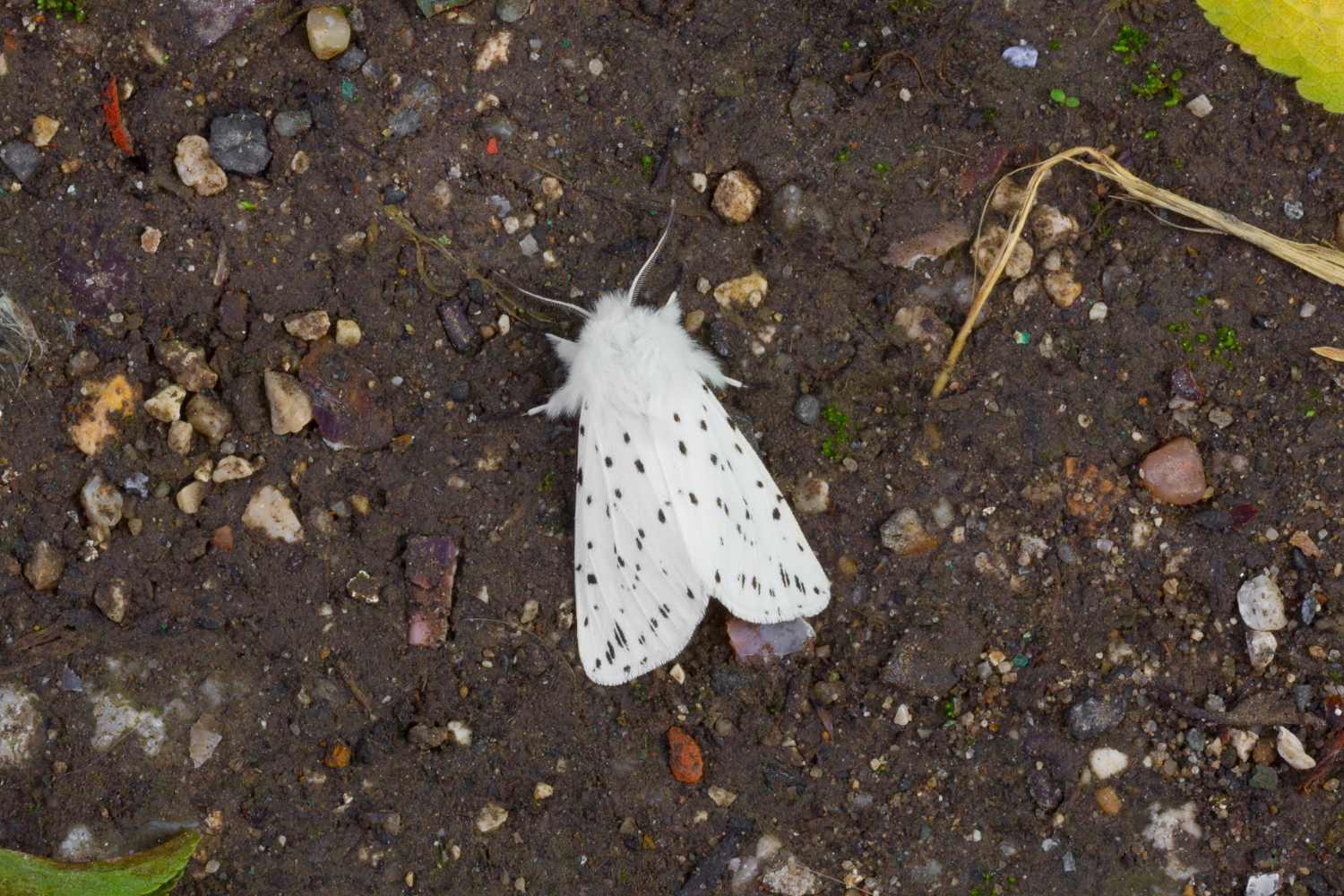
Mature larvae reach 35-40 millimeters in length. They have a characteristic dark stripe on the back and two series of yellow-orange tubercles along the entire body. The long white hairs that cover them, contrary to what one might think, do not have stinging properties, a detail that clearly distinguishes them from the processionary moth, whose hairs instead represent a real danger for people and pets.
During the winter, the insect transforms into a reddish-brown chrysalis, taking refuge in the cracks of the bark or in the crevices of attics and attics, where it patiently awaits the following spring.
Two generations a year for double the damage
The life cycle of the Ifantria involves two generations per year, an aspect which will obviously significantly amplify the damage caused. The first generation butterflies emerge between the end of April and May, laying around 600 eggs on the underside of Hyphantria cunea leaves. The larvae that are born are extremely voracious and immediately begin to feed on the leaves, progressively creating characteristic silky cocoons that envelop entire branches like cobwebs.
These whitish nests become especially noticeable around June. From them the second generation of adult butterflies will emerge between July and August, repeating the entire cycle with even more devastating effects. The larvae of the second generation, the ones we see swarming in the parks between August and September, are in fact more numerous and voracious than the previous ones.
A varied menu: your favorite plants
Ifantria isn’t picky when it comes to food. In the literature, around 200 host species are reported in Europe alone: among the favorites we find the apple and plum trees, but maples, hazelnuts, mulberries, poplars, willows, lindens and plane trees also suffer frequent attacks.
Some plants are attacked during both generations, while others, such as ash, hazel and hawthorn, appear to only affect the second generation of larvae. The endless variety of food makes Ifantria particularly problematic for parks and tree-lined avenues of our cities.
The young larvae initially cause superficial erosions, leaving the leaf veins intact. As they grow, their voracity increases until they devour the entire leaf, including the main vein. During the summer, large colonies can completely defoliate a tree and cause considerable stress to the plant, which will find itself forced to produce new leaves in periods of intense heat and water shortage.
Control strategies: from nature to biotechnology
Controlling Ifantria requires an integrated approach that favors environmentally friendly methods.
Manual removal of cocoons is certainly the first possible intervention. When the nests are still small, composed of 3-5 grouped leaves, their removal and destruction can significantly limit the infestation. Another method consists of covering the trunks with straw or corrugated cardboard, in order to create artificial shelters where the chrysalises will group, facilitating their removal before emerging.
For those seeking the organic route, the Bacillus thuringiensis kurstaki it is a very effective option. We are talking about a bacterium, harmless to people and animals, which acts specifically on lepidopteran larvae. The treatments should be carried out in the evening hours, when the larvae are still small, uniformly wetting the entire hair.
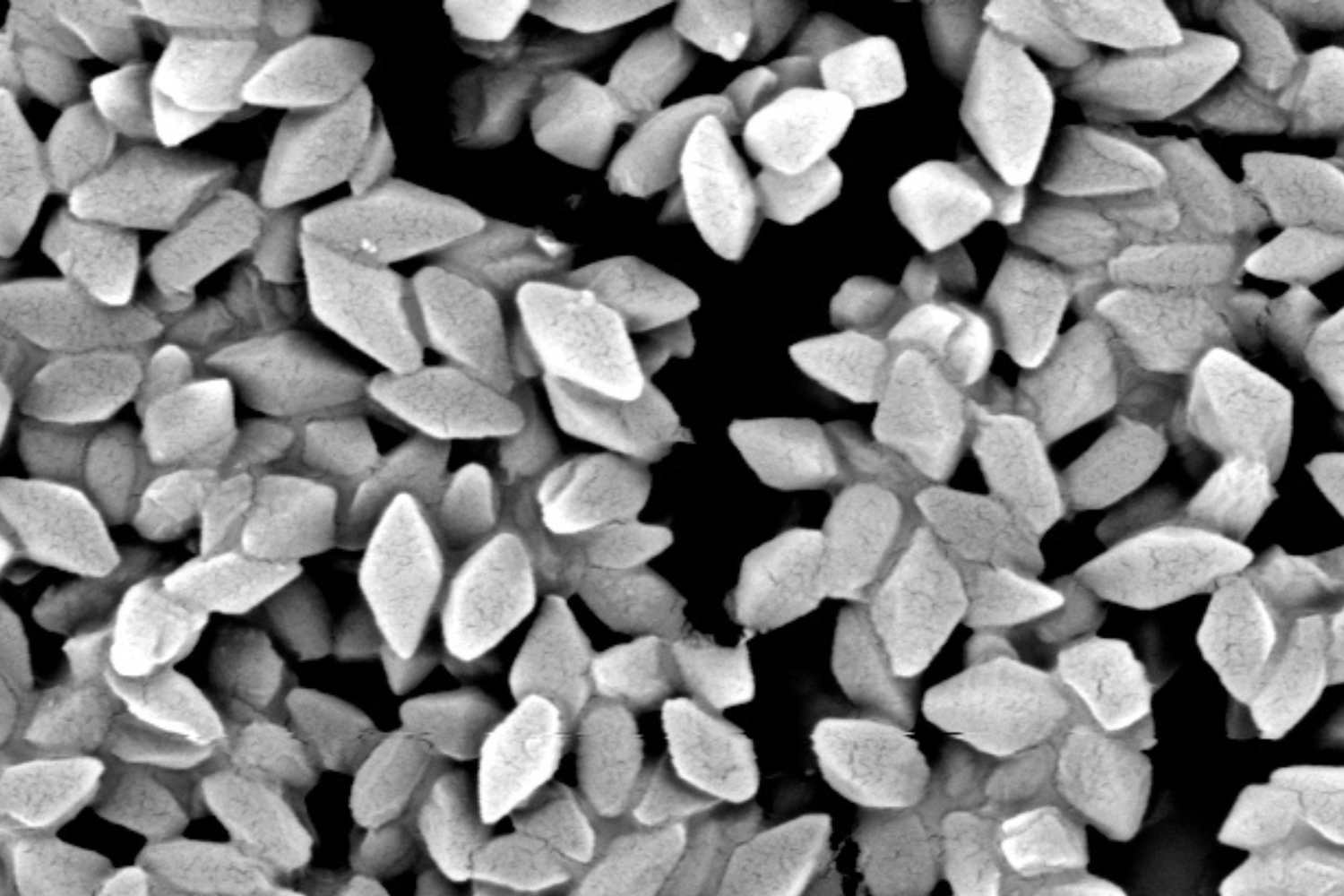
Also Spinosad, an active ingredient derived from the bacterium Saccharopolyspora spinosaproves effective against young larvae. It should be used with caution to protect pollinating insects, avoiding periods of increased activity of bees and bumblebees.
Natural allies: predators and parasites
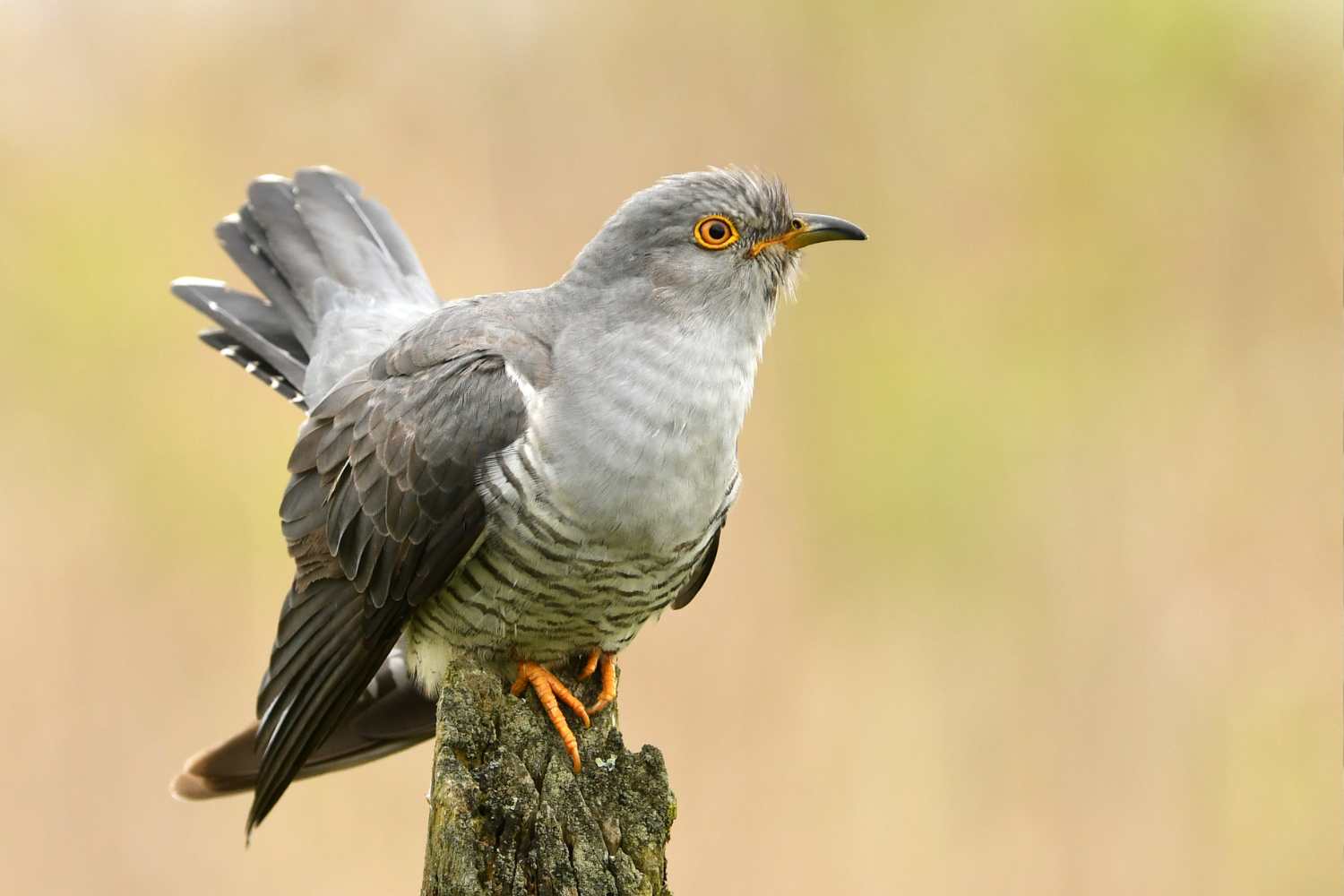
Nature offers numerous allies in the fight against Ifantria. 135 natural predators of the Hyphantria cunea species have been identified, including several common birds that inhabit our gardens. Among these we can mention the cuckoo, the oriole, the great tit and the starling, which are particularly effective in controlling the larvae. House and mountain sparrows also contribute to the reduction in populations.
The installation of artificial nests, 5-10 per hectare at a height between 2 and 4 metres, can favor the presence of these natural predators. Add feeders to feed the birds during the winter months and you have an excellent chance of ensuring a constant presence in the area.
In addition to birds, numerous arthropods participate in biological control. More than 20 species of spiders prey on the larvae, while wasps of the Polistes genus and some carabid beetles help limit their spread. There are also 49 parasitic species of Ifantria, including 36 species of wasps and 13 of flies, capable of attacking the different stages of development of the insect.
