
There is a lot of talk about energy saving and strategies to contain domestic consumption and, consequently, the increasingly high costs of bills at the end of the month, due to the international geopolitical dynamics which in recent years have influenced the availability and prices of supplies.
However, if it is true that the increase in retail prices is regulated by geopolitical dynamics over which we have no power, it is also true that we citizens can adopt virtuous habits which, in the medium to long term, can translate into significant savings on our bills.
If we talk about gas, our thoughts immediately go to the kitchen, the place in the house where this resource is most consumed. What habits can we adopt to save without giving up cooking our food?
Diversify heat sources
First of all, the key word is diversification: we try to diversify the heat sources necessary for food preparation and cooking techniques to consume less gas. For example, if we need to boil a cup of water for a herbal tea and we don’t have an electric kettle, it’s better to use the microwave oven for a few minutes rather than putting a saucepan on the heat.
However, if we need to bring larger quantities of water to the boil to cook pasta or vegetables, remember to put the lid on the pot to avoid heat loss. In the case of savory preparations, add the salt to the still cold water: with this small trick the water will boil sooner and we will save a little gas.
Use a pressure cooker
If we have a pressure cooker at home but have never used it, it is time to learn how it works and make it our ally in the kitchen: this type of pot, in fact, allows us to significantly reduce cooking times in long preparations, such as vegetables or meat.
Turn off the stove flame beforehand
Another precaution that we can adopt when cooking is to turn off the flame on the stove a few minutes early and let cooking continue with the heat off (you will have also heard about this in relation to the Nobel Parisi). The hob plates and the pan itself retain the heat for a few more minutes and so the food can continue to cook while we save some energy.
Choose the right stove size
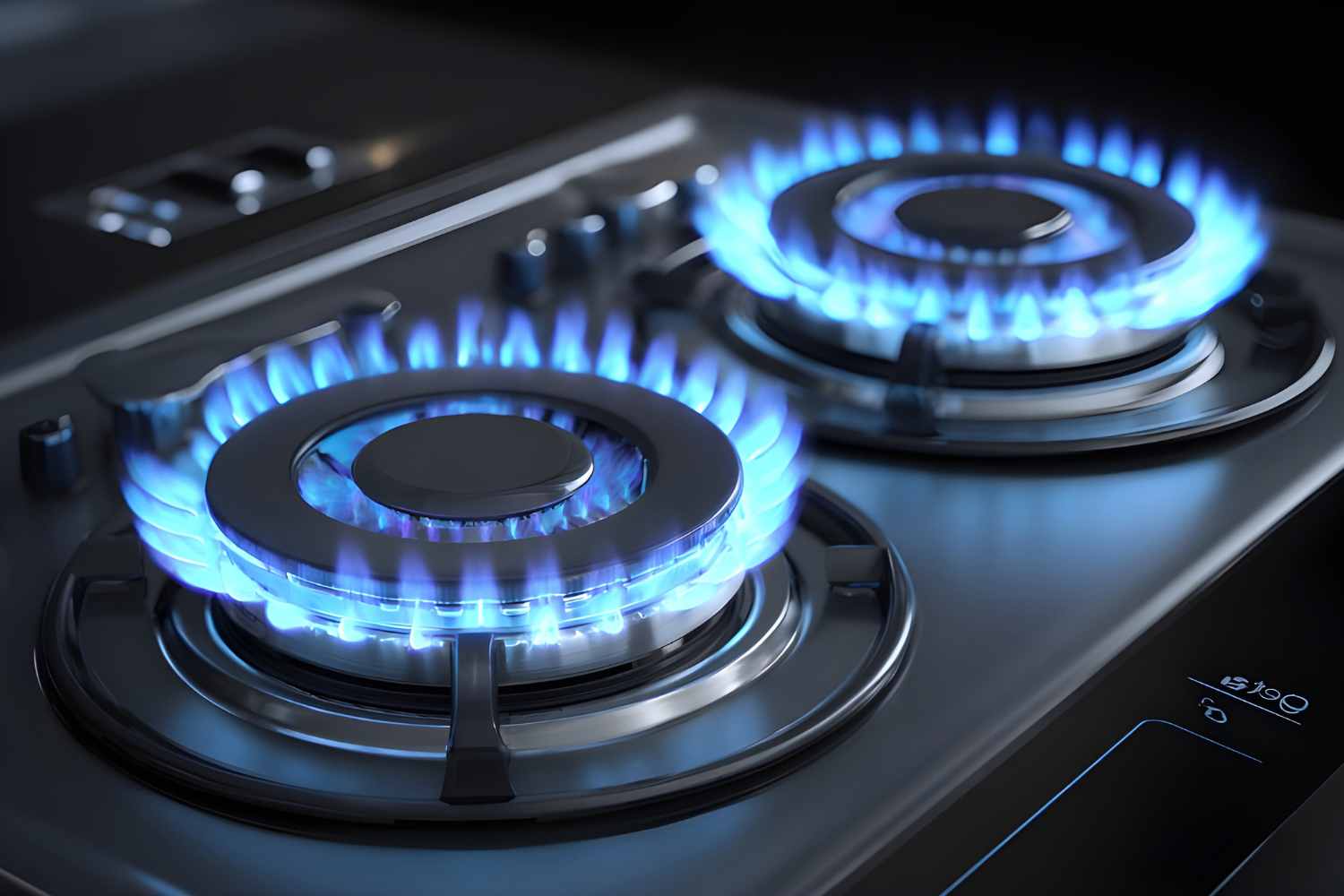
We also pay attention to the size of the stove and the size of the pot. Each hob is made up of different “burners” which have different sizes and powers. To avoid waste, we check that the burner is not wider than the pan and that the fire does not touch the external edges but limits itself to heating only the base: we may have the sensation of faster cooking, but this is just a waste of energy.
Appliances can also make a difference
Energy saving in the kitchen doesn’t just come from the stove. Even the way we use the oven, refrigerator and small appliances can affect the overall consumption of the home. For example, when possible, it is better to avoid turning on the oven for very short preparations or for small quantities of food: a traditional oven in fact requires energy especially in the initial heating phase. To heat small portions, tools such as the microwave or air fryer, if already present in the home, may be more efficient.
The refrigerator also deserves attention: it must not be set at temperatures that are too low compared to actual needs and must be left free to disperse the heat produced by the engine, avoiding positioning it too close to heat sources. Small daily measures, added up over time, can help reduce consumption without giving up convenience in the kitchen.
