
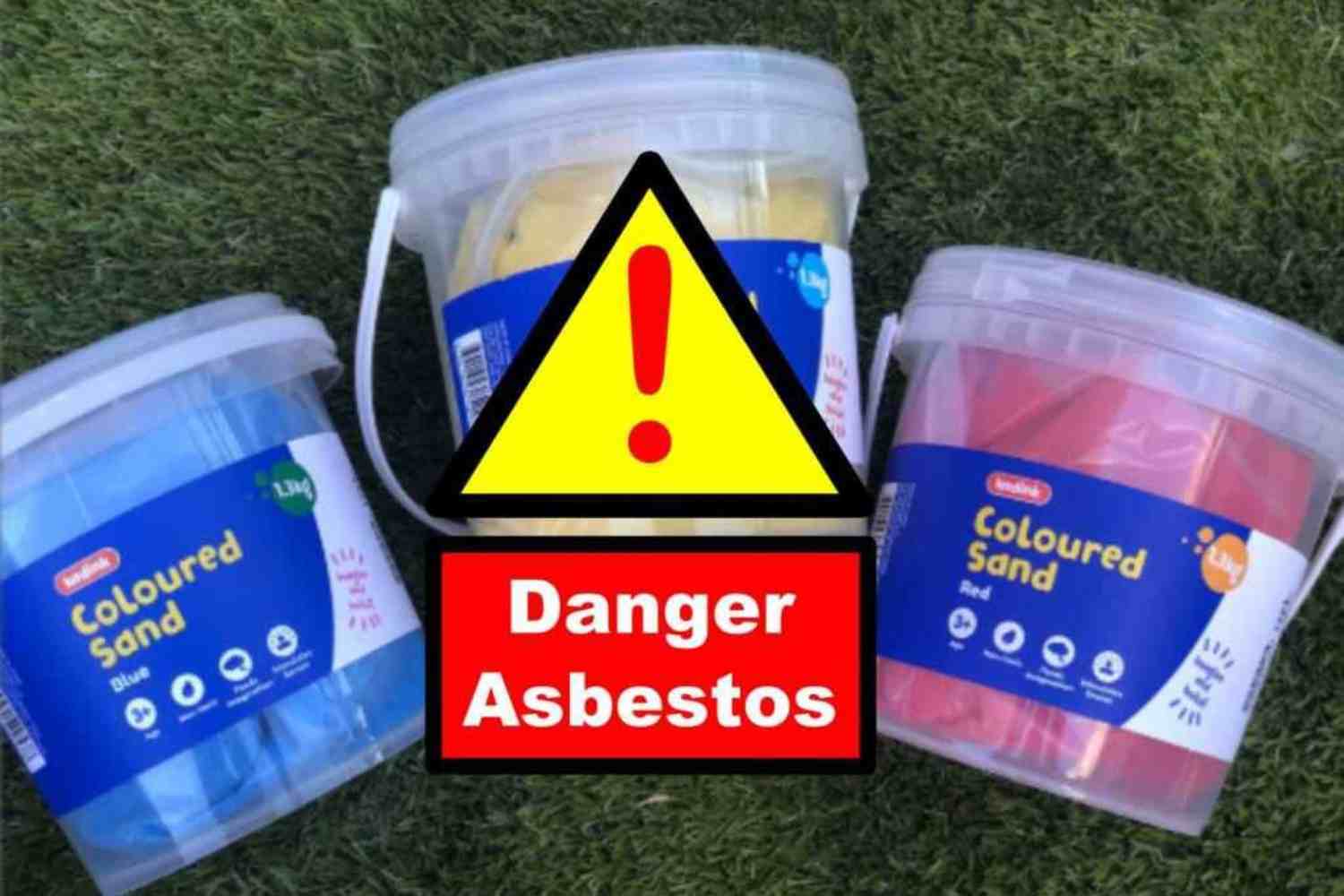
Over 70 schools and nurseries in the Australian Capital Territory (ACT) have been closed as a precaution after some colored sand products used by children were found to be contaminated with asbestos, a banned substance which is highly dangerous to health. The decision by the school authorities comes following laboratory tests that detected traces of tremolite and chrysotile in several lots of sand, triggering a real emergency in the educational facilities of the Australian capital.
ACT Education Minister Yvette Berry stressed that while the health risk was considered low, caution was key. Some institutions had already been closed the previous Friday, but with the expansion of the national recall, the closure was extended to over 70 schools and kindergartens, awaiting the complete remediation of the play areas and courtyards.
The situation did not only concern the ACT: preventive measures and accurate controls were also activated in other Australian regions. In Queensland some schools have been closed, while in South Australia more than 100 school sites containing suspicious sand, including courtyards and containers, have been identified. The matter also involved New Zealand, where a parallel recall was launched on the same products.
Over the weekend following the alert, specialist teams worked tirelessly to remove contaminated sand, clean courtyards and temporarily seal play areas.
The recalled products
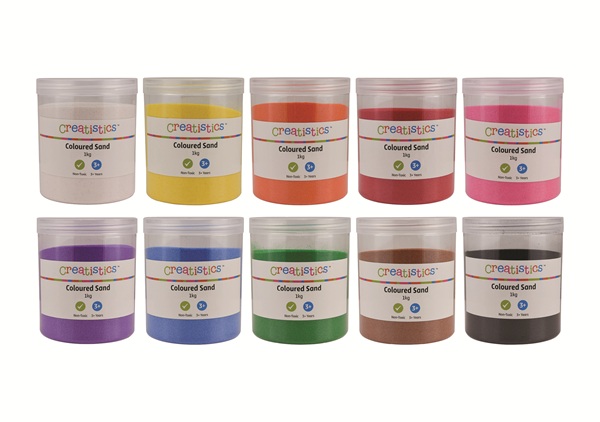
The national recall was issued by the Australian Competition and Consumer Commission (ACCC) following tests which identified traces of asbestos in the following products supplied by Educational Colors and sold by chains such as Officeworks, Educating Kids, Modern Teaching Aids and Zart Art:
In the following days, Kmart and Target announced additional recalls involving other products popular among preschool and elementary school children:
Families were invited to immediately stop using the products, seal the sand in double plastic bags, wear gloves and a mask when handling and contact the company to obtain a refund and dispose of the material in authorized centers.
The real risk and preventive measures
Public health experts have made it clear that the risk from exposure to these products is very low, because the asbestos detected was not in the most dangerous fine, volatile form, and there were no respirable fibers in the samples tested. However, the case highlights the need for stricter monitoring of imports and distribution of children’s products, and raises questions about the safety of sands imported and sold in shops.
The Queensland Premier and relevant authorities have called for a review of import protocols and increased controls, while the ACCC continues to monitor the situation and update the recall if there is new information.
A case that nevertheless gives food for thought, underlining the importance of the safety of children’s products, particularly imported and low-cost ones, and reminds us of how asbestos remains a dangerous substance still present in some production chains outside Europe. For now, schools, families and authorities try to return to normality safely, while the ACCC maintains vigilance to prevent further risks.
Sources: Guardian / ACCC
