
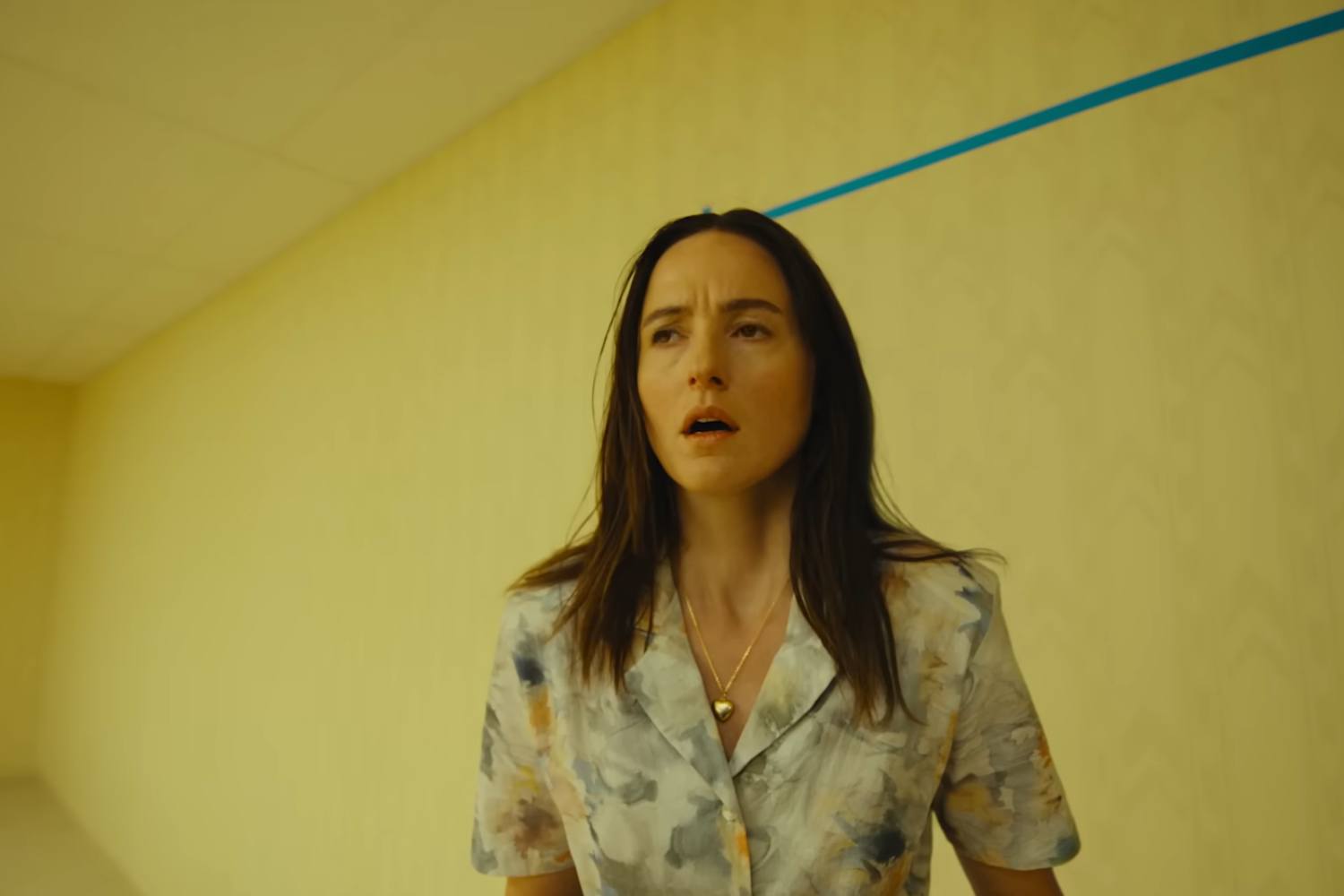
A monotonous electric hum, worn ocher carpet and yellowish walls that extend into infinity. The film debut of Backroomsdistributed in Italian cinemas by I Wonder Pictures, profoundly shook the international market, becoming the best grossing ever for the renowned production company A24, even surpassing highly anticipated films such as Marty Supreme.
Directed by twenty-year-old YouTuber and director Kane Parsons – known online as Kane Pixels – the work adapts the famous urban legend born in internet forums in 2019 to the big screen. But beyond the thrills and the impeccable Nineties found-footage aesthetic, the feature film functions as an unforgiving mirror of the contemporary psyche. The real threat lies not in bloodthirsty monsters, but in the very architecture of the void.
The paradox of total control and the terror of infinite space
The overwhelming success of the film is based on a sociological short circuit of extraordinary relevance. We live immersed in the era of perpetual geolocation, an era dominated by satellite maps, constant GPS tracking and predictive algorithms that plan our every single interaction with the surrounding world.
In this scenario of surveillance and digital comfort, the distorted universe of Backrooms brutally eliminates any geographical compass or spatial logic. The noclip – the sudden technical glitch that plunges protagonist Clark, played by Chiwetel Ejiofor, outside the fabric of tangible reality – hurls the viewer into a geometrically impossible labyrinth. We thus experience the profound anguish of losing control in the era of total control, rediscovering the atavistic panic of a void that no technology can map or tame.
Suspended life syndrome and the mirror of Generation Z’s anxiety
The film’s deserted rooms and industrial corridors speak directly to the vulnerabilities of Generation Z, visually translating a chronic syndrome of suspended life. Today’s young people find themselves having to deal with a historical panorama dominated by job insecurity, the climate crisis and increasingly fluid social identities without solid anchors. From this perspective, the repetitive and alienating geometries of the film perfectly reflect a generational existential anxiety, materializing a non-place without emergency exits or a definable future.
Accompanied by therapeutic dialogues with Doctor Mary, played by Renate Reinsve, the journey inside the structure reveals the great truth of modern horror cinema: the real contemporary monster is uncertainty itself, the absence of coordinates that transforms everyday life into an immobile trap.
From the bedroom to the big screen
The genesis of the work represents in itself a revolution for the seventh art industry. Kane Parsons began shaping this complex transmedia mythology at just fifteen years old, making self-produced computer shorts for his YouTube channel before being noticed by producer James Wan.
This shift from web video to a million-dollar budget demonstrates the power of grassroots storytelling. Moving on the conceptual tracks of cult essays such as Exit Reality by Valentina Tanni or psychological television series of the caliber of SeveranceParsons understood that liminal spaces scare us because they decontextualize the familiar.
By rehashing reality through codes that recall the hallucinations of artificial intelligence, the film consecrates a new form of psychological terror, demonstrating that there is nothing more frightening than humanity condemned to wander in the void of its own lost memories.
You might also be interested in:
