
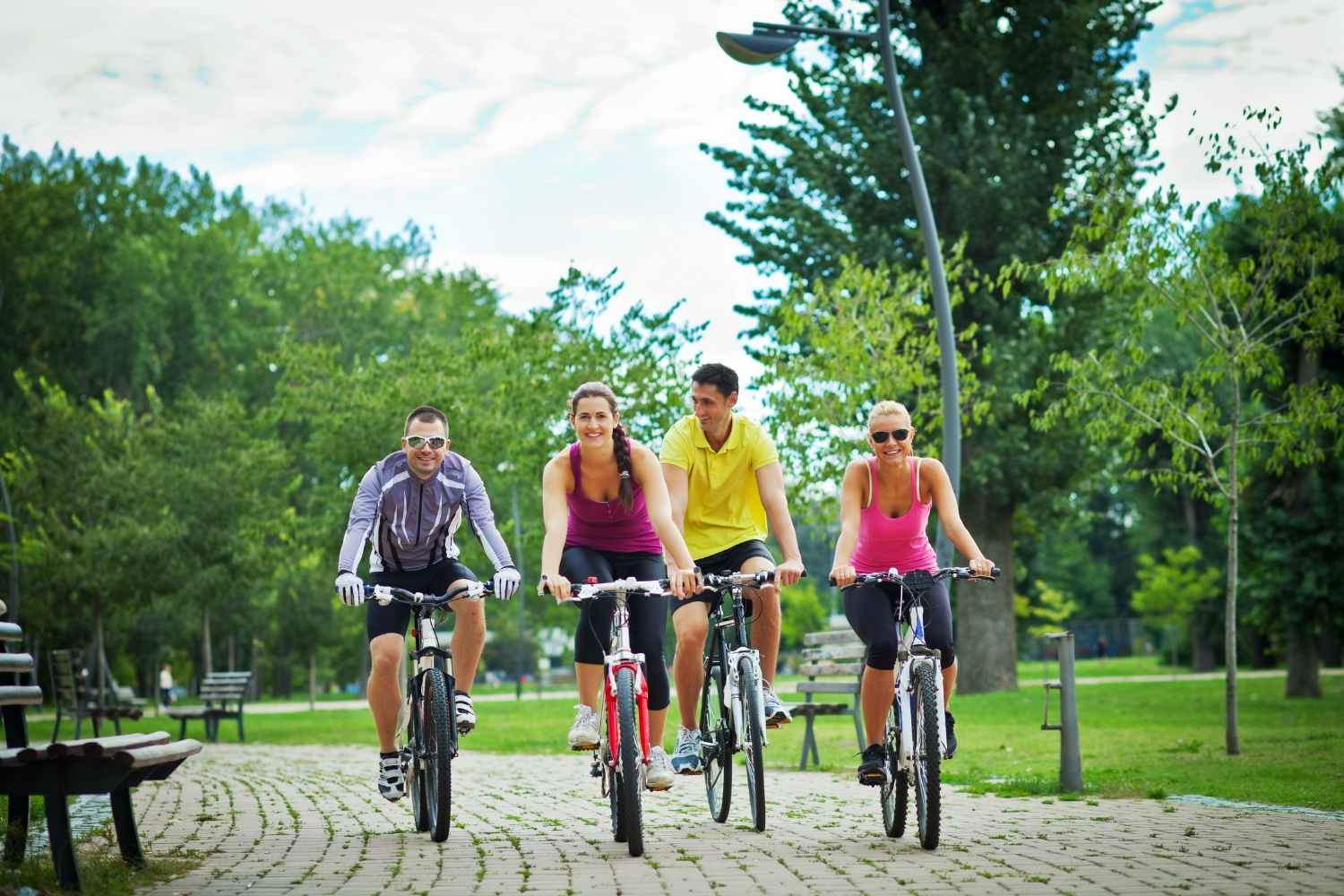
They do not sit in common, they have no salary or formal powers, yet they are influencing the lives of millions of citizens. These are the “mayors of the bike”, activists who act as ambassadors of cycle mobility, organizing courses, influencing administrations and building networks from below to free the cities from traffic and pollution.
The idea was born in 2016 in Amsterdam, thanks to the non -governmental organization Bycs, which today coordinates over 150 representatives in 34 countries. These figures are not chosen by the parties but by the communities: they are teachers, Festival Director, neighborhood activists. All with a clear goal: to make the bicycle an accessible, safe and inclusive vehicle.
View this post on Instagram
A network that starts from the street
“Some may seem really bizarre that the bicycle may be at the center of life. But it is surprising to see the energy that people put us, the motivation they have and how much they manage to do,” explained Michela Chamonal, coordinator of the Bicycle Mayor Network, a The Daily Climate.
An example comes from Addis Ababa, Ethiopia. During the pandemic, Maren Ahlers learned to go by bike and immediately understood how difficult it was for a woman to move freely on two wheels. From there he started organizing courses, until he created a group of over 450 cyclists. Today it is part of the international network and its action has helped to push the Ethiopian government to design 100 kilometers of new cycle paths.
The Italian case: Naples on the front line
Also in Italy there are several “bike mayors”: in Rome, Florence and especially in Naples, where Luca Simeone, director of the Napoli Bike Festival, was appointed.
In an interview published in Naples TODAY, Simeone underlined how cycle mobility is not just an environmental question:
Naples is a fascinating but complex city, with a high housing density and a high level of unemployment and poverty. Creating bike mobility and micromability could help above all the most vulnerable bands of society, also generating a positive impact from a financial point of view.
Among its priorities is the creation of “school roads”, protected areas in front of some selected schools. The goal is to reduce the risks for children, promote the daily use of the bike and to contrast problems such as childhood obesity, which in Naples affects the 5-10 year range in particular.
But Simeone also looks to the world of work: “Anyone who is for the bike to work can attract many more people to use the bicycle to go to work”. It is no coincidence that he announced that he wanted to meet the mayor of Naples Gaetano Manfredi to bring concrete contributions to the infrastructure projects financed with the PNRR.
These “mayors” have not political mandates or budgets, but thanks to voluntary work they are opening spaces that politics often neglects. They participate in public meetings, dialogue with schools and associations, and in some cases they manage to directly influence urban agendas.
It is not just about cycle paths: the stakes are wider. A city that facilitates active mobility reduces smog and traffic, but above all it offers equal movement opportunities to those who cannot afford a car, to those who have less resources, to those who grow in neighborhoods where the right to move safely is not guaranteed.
Don’t you want to lose our news?
You may also be interested in:
