
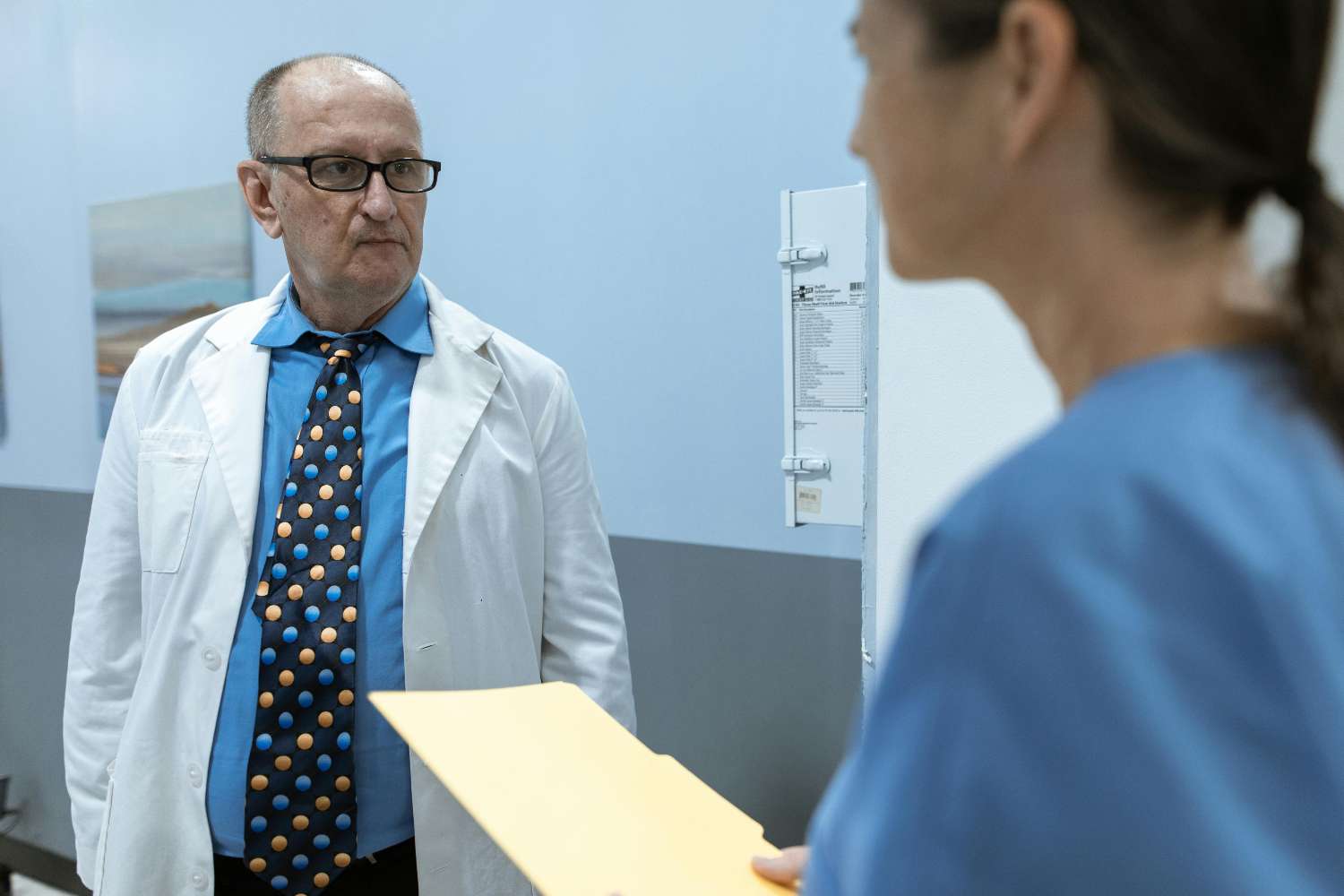
Italian healthcare is preparing for a significant turning point: the Ministry of University and Research has proposed a draft decree that introduces three new master’s degrees for nurses who already hold a three-year degree. Students will be able to choose between primary care and public health, designed for home and community care; Pediatric and neonatal care, intended for hospitals and specialized clinics; and Intensive care and emergency-urgency, aimed at the most critical contexts and intensive care.
The objective is to strengthen the nursing presence in the most strategic areas of the National Health Service, also in view of the challenges posed by the aging population and chronic conditions. In addition to advanced training, the decree aims to enhance the clinical-care responsibility of nurses, integrating tasks that have until now been reserved for other healthcare actors. The new figures, according to the proposal, could become operational as early as the 2027-2028 academic year, with two-year courses dedicated to clinical specialization.
What types of prescriptions will nurses be able to make
The most discussed innovation concerns the possibility for specialist nurses to carry out nursing prescriptions. These are, the decree specifies, aids, aids and devices related to nursing care, such as dressing materials, ostomy bags or incontinence devices. There is no prescription of drugs or diagnostic tests, which are the exclusive prerogative of doctors. According to the promoters, this measure would streamline bureaucracy and guarantee more effective continuity of care.
Doctors’ unions on a war footing
However, the proposal has sparked heated debate among the healthcare professions. Doctors’ unions, including Anaao Assomed, Cimo-Fesmed and Fimmg, criticize the initiative, arguing that transferring even just part of the clinical skills to figures with nursing training could reduce the quality of the service and compromise historically medical prerogatives.
The position of Fnopi, the National Federation of Orders of Nursing Professions, is different, speaking of a turning point that has been awaited for years, aimed at responding to the real needs of citizens and enhancing the nursing profession. In any case, to become operational, the decree will require specific regulatory intervention, probably included in the mandate for the reform of the health professions, currently being examined by Parliament.
You might also be interested in:
