
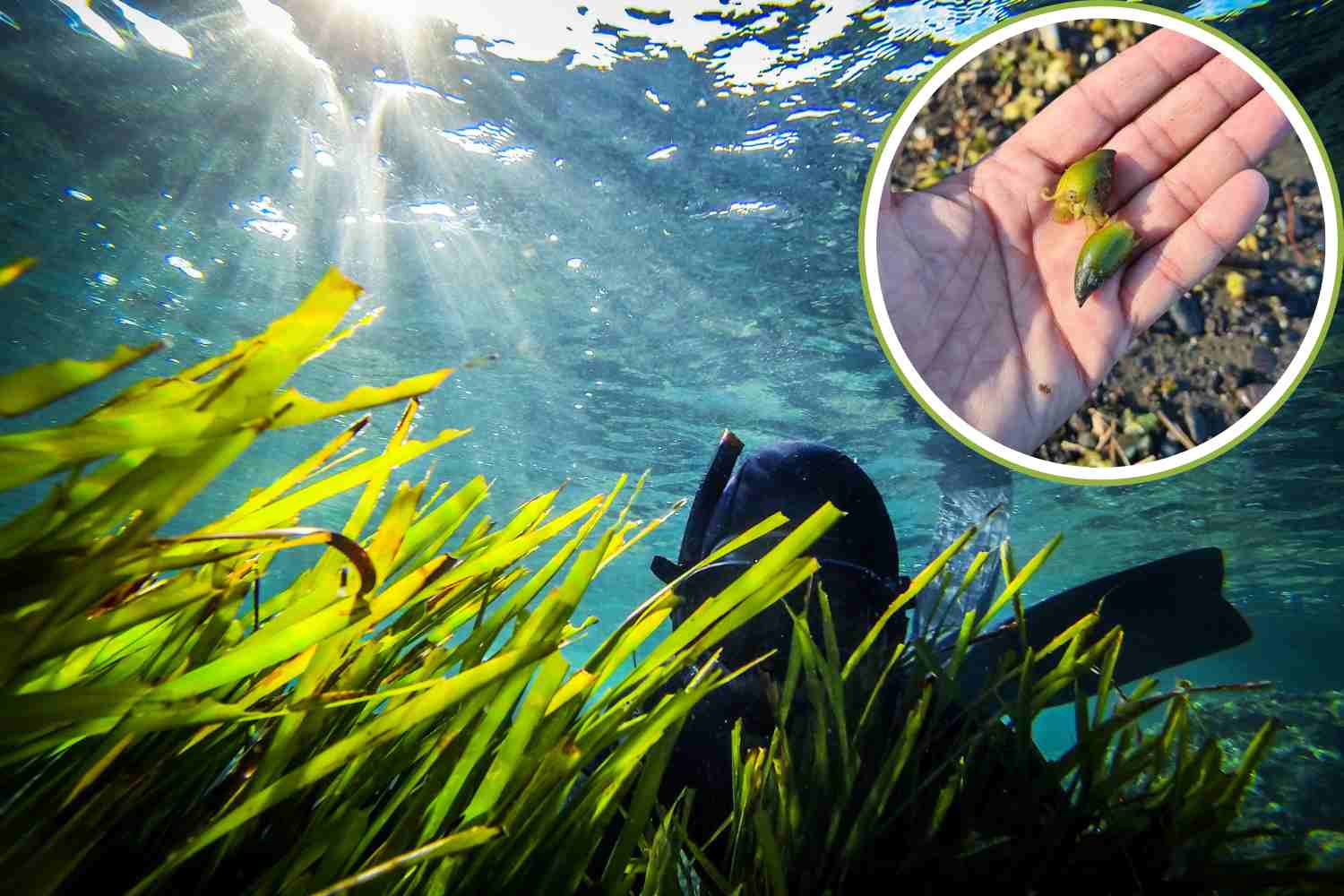
A special collection started in the Gulf of Naples: it is not about waste, but seeds. The Park submerged of the Gaiola And the Anton Dohrn zoological station launch an appeal to citizens: seek the fruits of the beaches along the beaches Posidonia oceanicathe so -called “sea olives”, To contribute to the reforestation of the seabed.
These fruits, similar to olives in shape and color, tend to beach between April and May after having detached themselves naturally from the plant. If they are not collected, they dry out in the sun and their dissemination function must be lost. Still, they could be fundamental to repopulate the seabed of Posillipo, where Posidonia is in strong regression due to Decades of wild anchors and environmental degradation.
This is where it comes into play Posifarma reforestation project started in 2023 which now also focuses on the seeds. Citizens, with a simple gesture, can support a complex ecological process: reaping the fruits, delivering them to the Gaiola Park or other protected marine areas involved (such as the Kingdom of Neptune), e thus contribute to germinating them in the laboratory.
View this post on Instagram
In the tanks of the Anton Dohrn zoological station – twelve 500 liters – and in the new laboratory under construction at the Gaiola, the seeds are grown until they become small seedlings of about 15 centimeters. At that point they are reintroduced into the sea, even in areas where bathing is allowed, so that citizens themselves can observe their growth by snorkeling. AND Citizen Science In a full sense: accessible, participated and useful for the environment.
In addition to the repopulation phase, the project is enriched with an experimental dimension: starting from January 2026 it will be activated Seacoverya new research program that aims to strengthen the resistance of Posidonia to future climatic conditions. The germinated seeds will be exposed to simulated heat waves for Select the most resistant plantules. Objective: develop plants capable of adapt better to heating the seas.
The project also collaborates expert researchers in genetics, physiology and assisted evolution of marine plants. Seeds from different areas of the Mediterranean – Puglia, Sicily, islands of the Gulf of Naples – to analyze any differences in resilience will be compared. It is a precision work, but with a wide vision: to create the foundations for a reforestation of posidonia on a larger scale.
Each square meter of this marine plant produces up to 20 liters of oxygen per day and captures large quantities of CO₂, helping to mitigate the acidification of the oceans and protecting marine biodiversity. But today, in the Gulf of Naples, most of the meadows have disappeared.
For this reason, the appeal is clear: if during a walk on the beach you notice a “sea olive”, collect it and bring it to the collection centers indicated by the park. Three hundred seeds have already arrived from Ischia and Procidabut many more are needed. Saving Posidonia is possible, and can start with a simple gesture, within everyone’s reach.
