
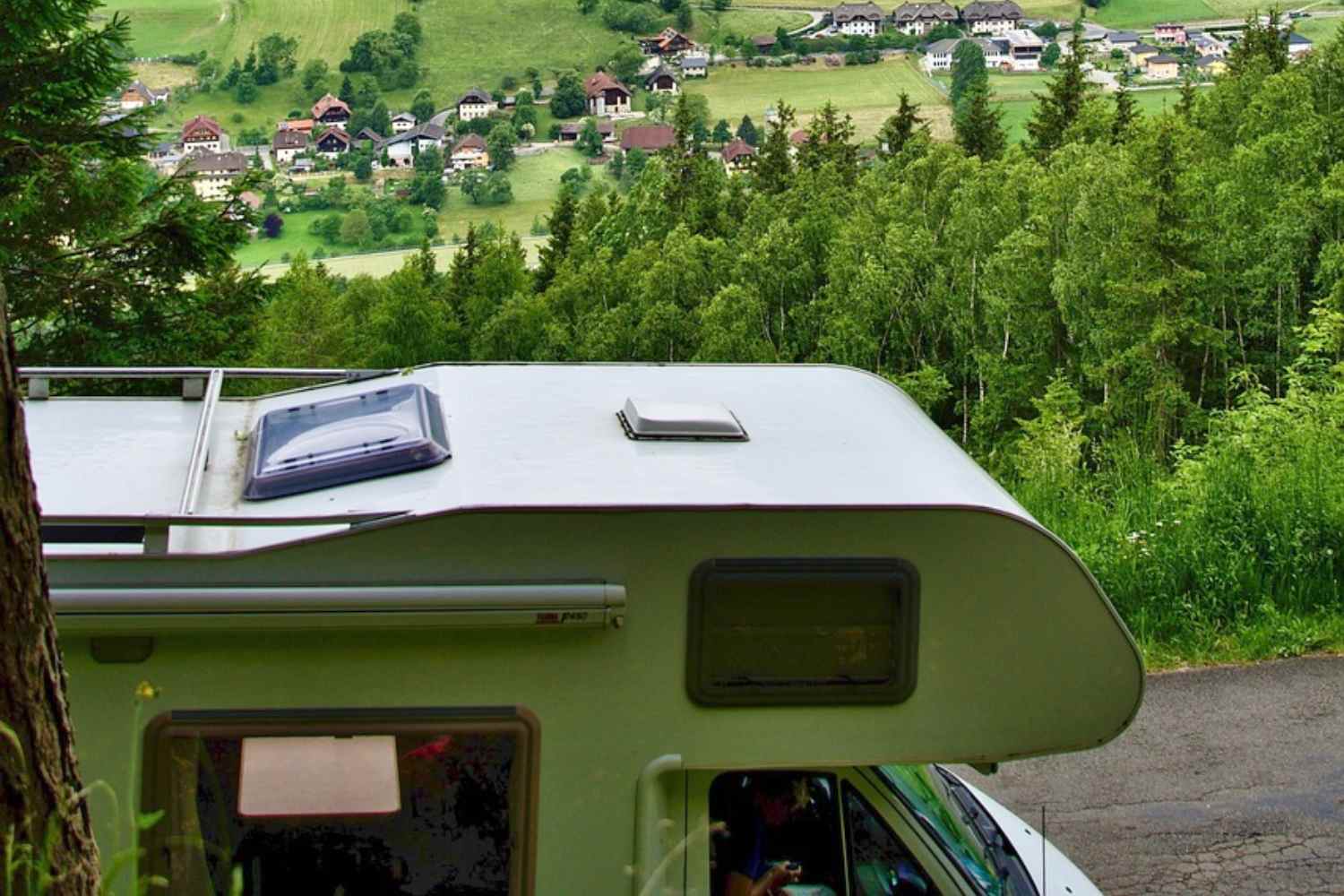
There was a time when campers were only associated with family holidays or tourism considered “alternative”. Today that scenario has completely changed. In Italy, traveling tourism is experiencing impressive growth and the numbers tell much more than just a passing fad. According to data released by the Caravan and Camper Manufacturers Association, in 2025 the registrations of new campers recorded an increase of 10.56% compared to the previous year, reaching 7,936 new vehicles.
An enormous figure if compared with the rest of Europe, where the average growth stopped at 0.6%. Even more significant is the movement of second-hand goods: changes of ownership increased by 6.05%, overall exceeding 44 thousand sales between new and second-hand. Behind these numbers there is a sector that today is worth around 8.5 billion euros, also supported by public investments. The Ministry of Tourism has in fact allocated over 25 million euros to create and redevelop rest areas in around 170 Italian municipalities, with more than 4,400 new pitches planned.
Vanlife conquers young people: it’s not just a holiday, it’s a lifestyle
What is most surprising, however, is the generational change. More and more under 35s are choosing campers and camper vans to travel. We’re not just talking about long summer tours: today the phenomenon concerns weekends, long weekends, sudden getaways and micro-adventures spread throughout the year.
The so-called vanlife has become the symbol of a different tourism: less rigid, less predictable and much more personal. Data from camper sharing platforms shows that over 50% of new users are between 25 and 34 years old. And the preferred vehicles are the most compact: vans and camper vans now represent a huge slice of the market. Many transform them themselves, documenting everything on social media including solar panels, mini kitchens and folding beds. Others choose already equipped models such as the Volkswagen California, the Mercedes Marco Polo or the Fiat Ducato-based vans.
The Italian paradox: boom in campers despite bans and fines
Yet there is an entirely Italian paradox. While camper tourism is growing rapidly, so-called wild camping continues to be banned in our country. The law distinguishes between parking and camping: sleeping in a parked camper is allowed (but not everywhere, there are often municipal ordinances that prohibit it), but it is enough to open an awning, take out tables or take up space beyond the shape of the vehicle even just by opening the windows for fines and bans to arise. Despite this, more and more people continue to choose the path. Because the camper responds to something that many today desperately seek: the possibility of feeling free.
Because those who try campers often never go back
Those who really live camperlife like me, who have been lucky enough to travel around Italy and Europe for years with my “Duck”, know this: it’s not just a journey, it’s a change of perspective. The camper becomes a house on wheels, an intimate place that crosses different landscapes without ever losing the sense of familiarity. You wake up in front of the sea, cook next to a lake, sleep under skies full of stars. And you continue to have your bed, your coffee, your habits.
But above all, the relationship with time changes. There are no check-ins, imposed times or rigid programs. We start and decide along the way. A village seen by chance can become the destination of the day. A sudden storm can push you to another coast. It’s the journey that dictates the pace. Perhaps this is the real reason for the boom: campers don’t just sell holidays. It sells an increasingly rare sensation in modern everyday life. That of being able to choose, every morning, where to go.
Then there is the human dimension. In campsites, in rest areas or simply parked overnight near other vehicles, spontaneous conversations, unexpected friendships, exchanges of advice and stories arise. All it takes is an exchange of mobile numbers and you’ll find yourself on your next holiday together, even if you live hundreds of kilometers away.
The camper also teaches you to do without the superfluous. Water, energy and space become precious resources and you quickly learn how little you really need to feel good. A topic that is now increasingly pressing and important, with life today leading us to consume more and more resources that the world struggles (or is unable to regenerate).
Perhaps it is precisely for all these reasons that those who really try life in a camper rarely go back. Not because it is perfect – indeed, between drains to empty, batteries to check and improvised nights in the rain, unexpected events are never lacking – but because it manages to transform even the simplest journey into something that terribly resembles happiness.
You might also be interested in:
