
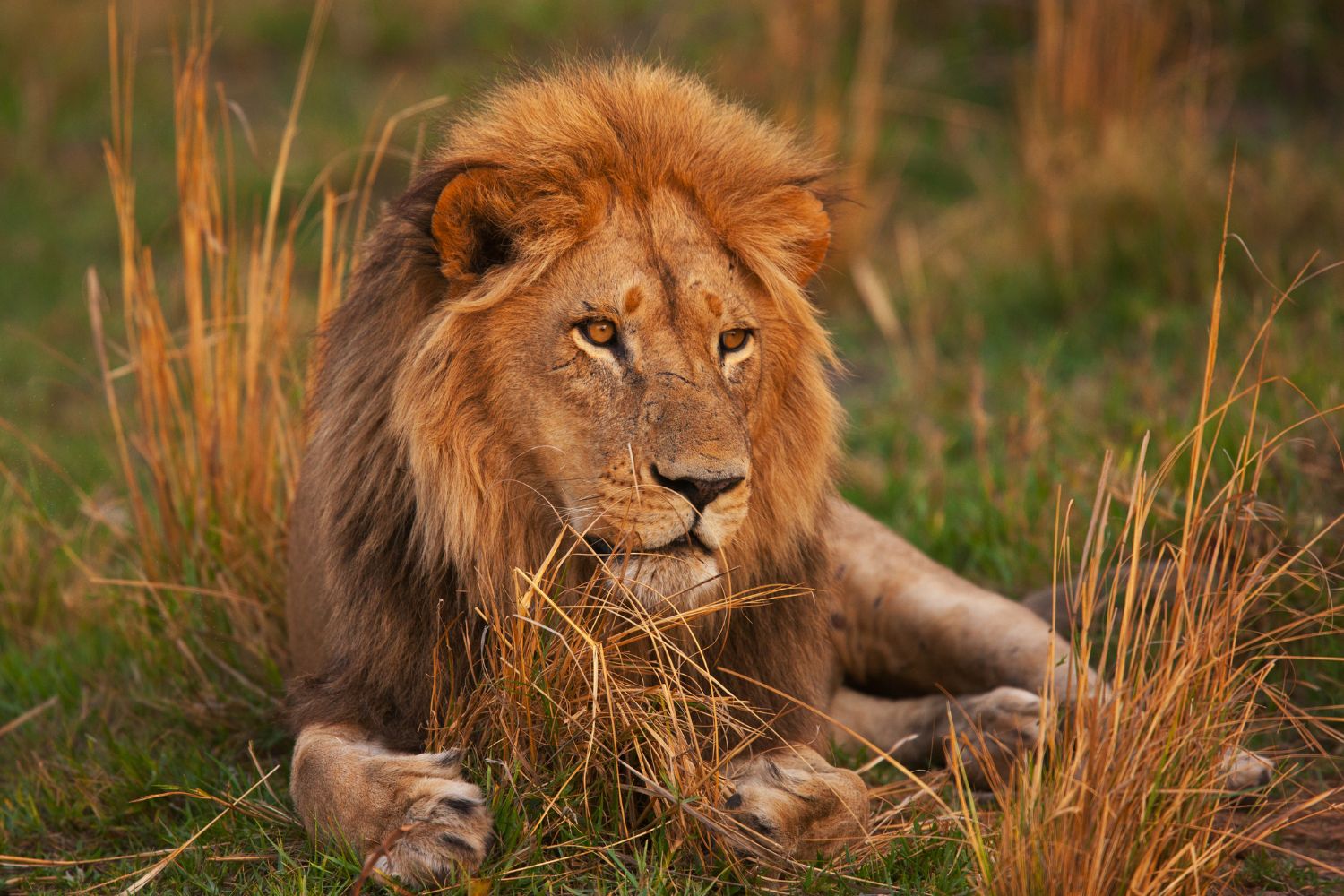
The Ancient DNA demonstrated that i cave lions they separated from the modern ones approximately 1.5 million years agomuch sooner than previously thought. The discovery, the work of a research group led byCardiff University (United Kingdom), was obtained through genetic investigations conducted on the remains found by paleontologists.
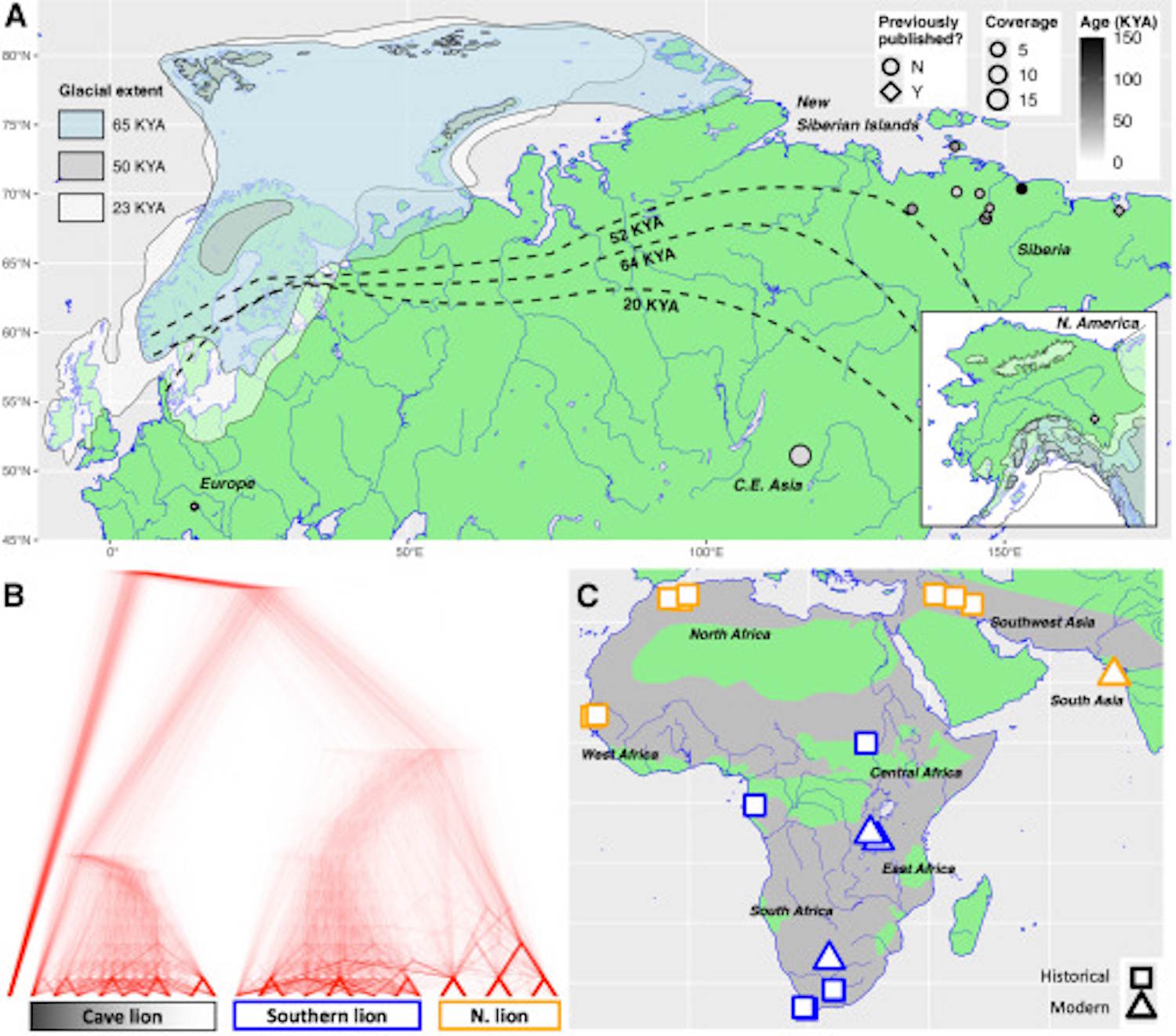
The genetic material was taken specifically from 12 cave lion specimensdated between approximately 17,000 and over 100,000 years agorecovered from caves, eroded river banks and permafrost (including two exceptionally preserved puppies) from Siberia northern, and compared them with 20 modern lion genomes fromAfrica and fromSouth Asia.
©Cell
The results show that the cave lion actually separated from its descendants over a million years ago, but also that it interbred with them, and that this story is closely linked to past climate changes.
Cave lions have often been described simply as a larger, more robust version of modern lions
explains David Stantonlead author of the work.
The real evolutionary line, however, says something else.
©Cell
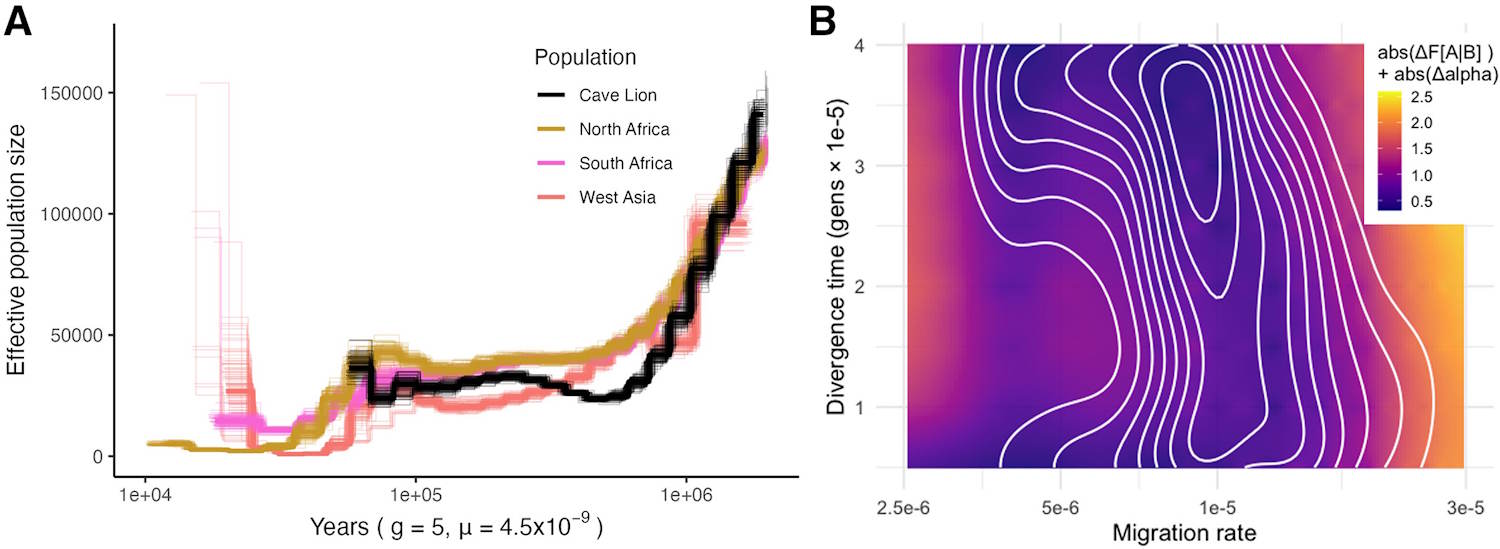
The comparison of the genomes indeed shows that cave lions and modern lions have formed clearly distinct groupsindicating a long-term evolutionary separation. And, while previous estimates suggested a relatively recent divergence, the new analyzes support a much deeper separation, which could date back to over 1.5 million years ago.
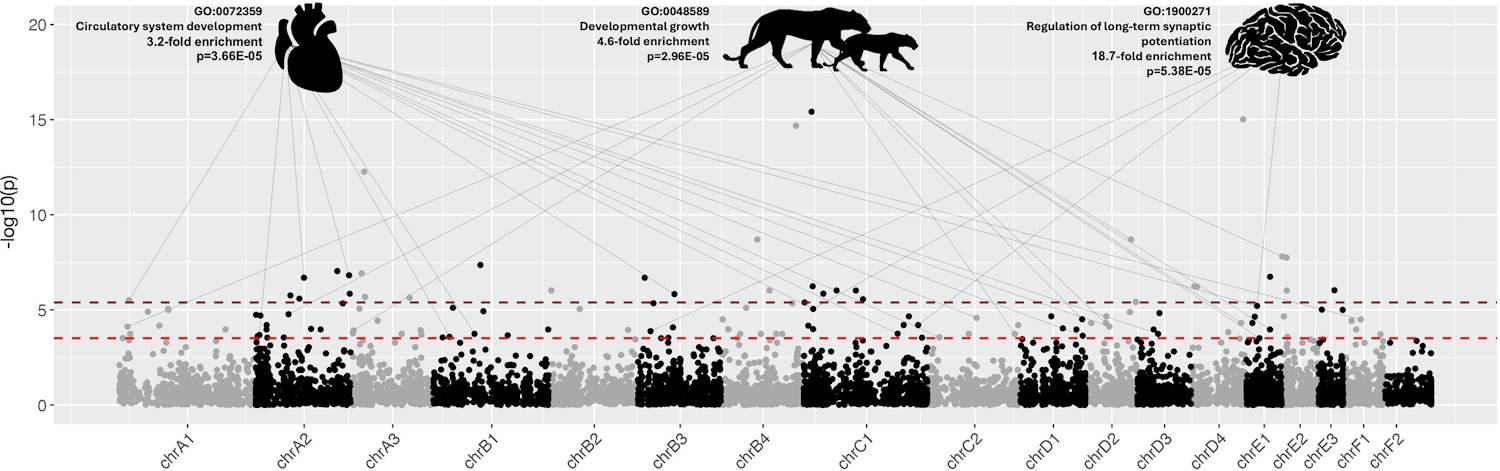
The researchers also identified genetic differences that likely contributed to the peculiar biology of cave lions, finding unique mutations for cave lions predicted to have impacted protein function, along with an excess of genetic changes in genes linked to brain function, vision, growth and circulatory development.
These findings are consistent with evidence from fossils and cave paintings suggesting that cave lions differed from modern ones in size, behavior and ecological adaptation.
©Cell
Despite this long period of separation, however, cave lions and modern lions: researchers have indeed identified multiple episodes of hybridization between the two evolutionary lines over tens of thousands of years. And, although the genetic contribution of modern lions was relatively small, these events were frequent and occurred at different times.
The timing of this hybridization appears to be furthermore closely linked to past global climate changesIn fact, the results show that the level of modern lion ancestry in cave lion genomes increased during periods of greatest ice sheet extension. During these colder phases, cave lion populations likely expanded southward, coming into contact with modern lions in regions such as central and southwestern Asia.
©Cell
Our results suggest that past climate changes have not limited themselves to reshaping habitats – explains Stanton – but have actively brought species closer together, creating brief opportunities for hybridization that otherwise would not have arisen.
At the same time, cave lion populations were highly dynamic: the data reveal in particular abroad genetic connectivity among cave lion populations across Eurasia, with ancestors that spread rapidly over large distances and homogenized in relatively short periods of time.
The work was published on Cell.
Sources: Cardiff University / Cell
