
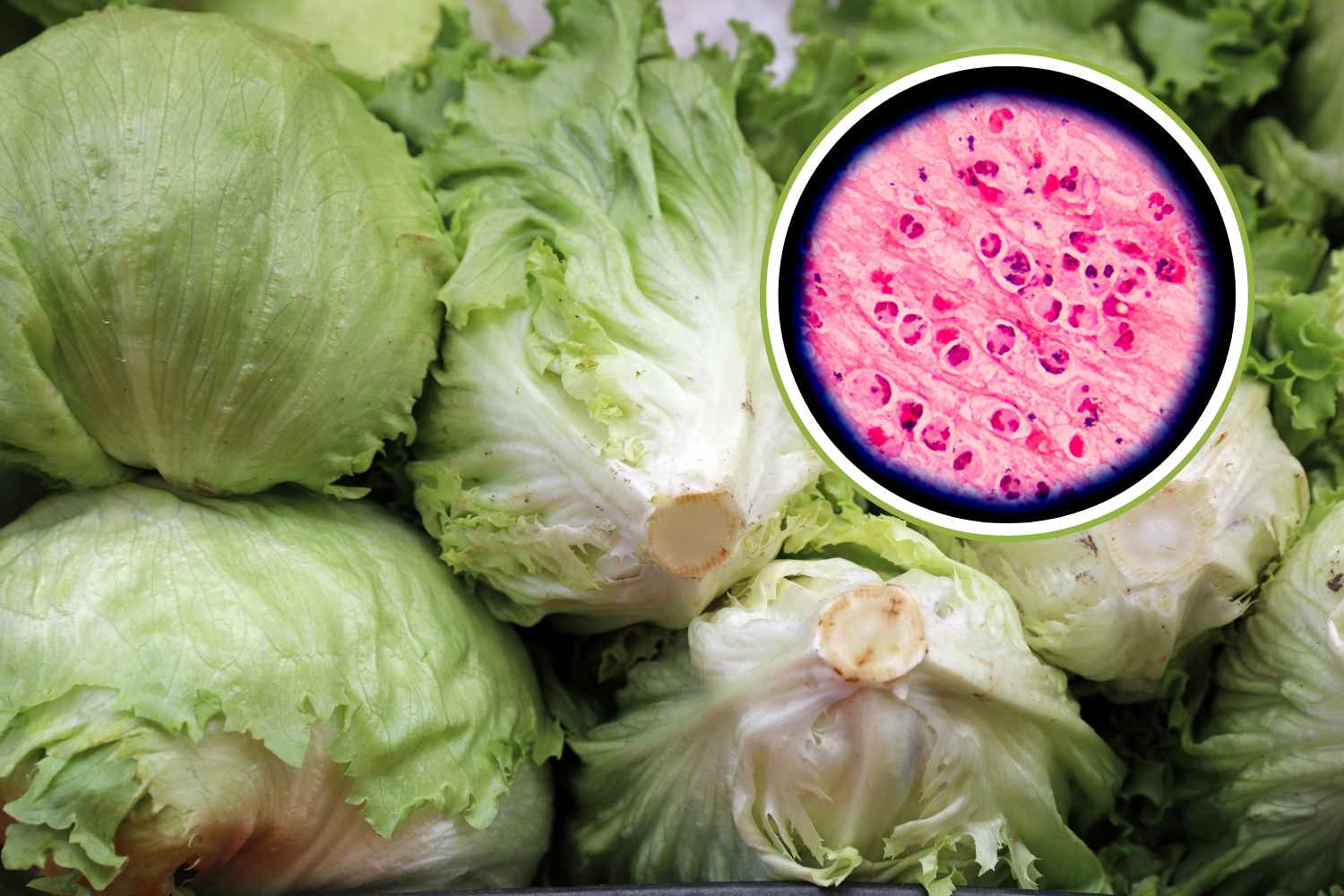
We had already told you about it in a previous article: the largest outbreak of cyclosporiasis ever recorded in the country is underway in the United States, an intestinal infection caused by the parasite Cyclospora. Unfortunately, now the first tragic developments are arriving: two people have died in Michigan and, according to health authorities, the deaths are linked to the disease contracted after consuming contaminated food.
Although cyclosporiasis is generally considered an infection that is rarely life-threatening, this case demonstrates how it can become extremely dangerous for the most fragile people.
The Michigan Department of Health reported the deaths. The two victims both had serious previous pathologies which, according to medical documentation, may have been aggravated by the infection and severe dehydration caused by diarrhea, the most typical symptom of cyclosporiasis.
These are the first known deaths linked to the current epidemic, which continues to expand in the United States and now represents one of the largest foodborne illness outbreaks in the country’s recent history.
The outbreak has been linked to iceberg lettuce
Investigations by the Food and Drug Administration (FDA) have identified an important link with the iceberg lettuce coming from the Mexican crops of Taylor Farms and served in some restaurants of the Taco Bell chain.
The company has already recalled the products involved, but investigators point out that iceberg lettuce does not explain all the recorded cases. In fact, epidemiologists suspect that there may be more yet unidentified sources of contamination and it has not been confirmed whether the two deceased people contracted the infection through that salad.
As Susan Ringler Cerniglia, spokeswoman for the Washtenaw County Health Department, explained:
We have one food clearly implicated, but it doesn’t explain everything.
Michigan is the state hardest hit by the epidemic. According to the latest official data, 11,234 cases have been registered, with an increase of 461 infections in just a few days, while 193 people have been hospitalized.
Nationally, the Centers for Disease Control and Prevention (CDC) reported 6,707 laboratory-confirmed cases as of July 28, as well as more than 11,500 suspected cases still under investigation. The difference between state and federal data is because the CDC only counts diagnoses confirmed through laboratory tests.
Why is it so difficult to stop the epidemic
Experts explain that the Cyclospora it is much more complicated to track than the common bacteria responsible for foodborne infections.
Unlike other pathogens, in fact, the parasite cannot be easily grown in the laboratory or analyzed through genetic sequencing to quickly link different cases. This makes it much more complex to reconstruct the chain of infections and identify with certainty all the foods responsible.
According to Professor Paul Bollyky, an infectious disease expert at Stanford Medicine, reducing staff and funding to US health agencies also risks further slowing down the investigation and containment of the outbreak.
What is cyclosporiasis and what symptoms does it cause?
Cyclosporiasis is an intestinal infection caused by the parasite Cyclospora cayetanensiswhich is transmitted mainly through the consumption of contaminated fruit and vegetables.
The most common symptoms include: persistent, watery diarrhea, severe abdominal cramps, nausea, loss of appetite, tiredness, and weight loss.
In the majority of healthy people the disease regresses with appropriate treatment, but in elderly, immunosuppressed or other people with other pathologies it can cause severe dehydration and even very serious complications, as unfortunately demonstrated by the first two deaths recorded in the United States.
Meanwhile, American health authorities continue to investigate to identify any other sources of contamination and contain an epidemic which, at least for the moment, cannot yet be considered over.
