
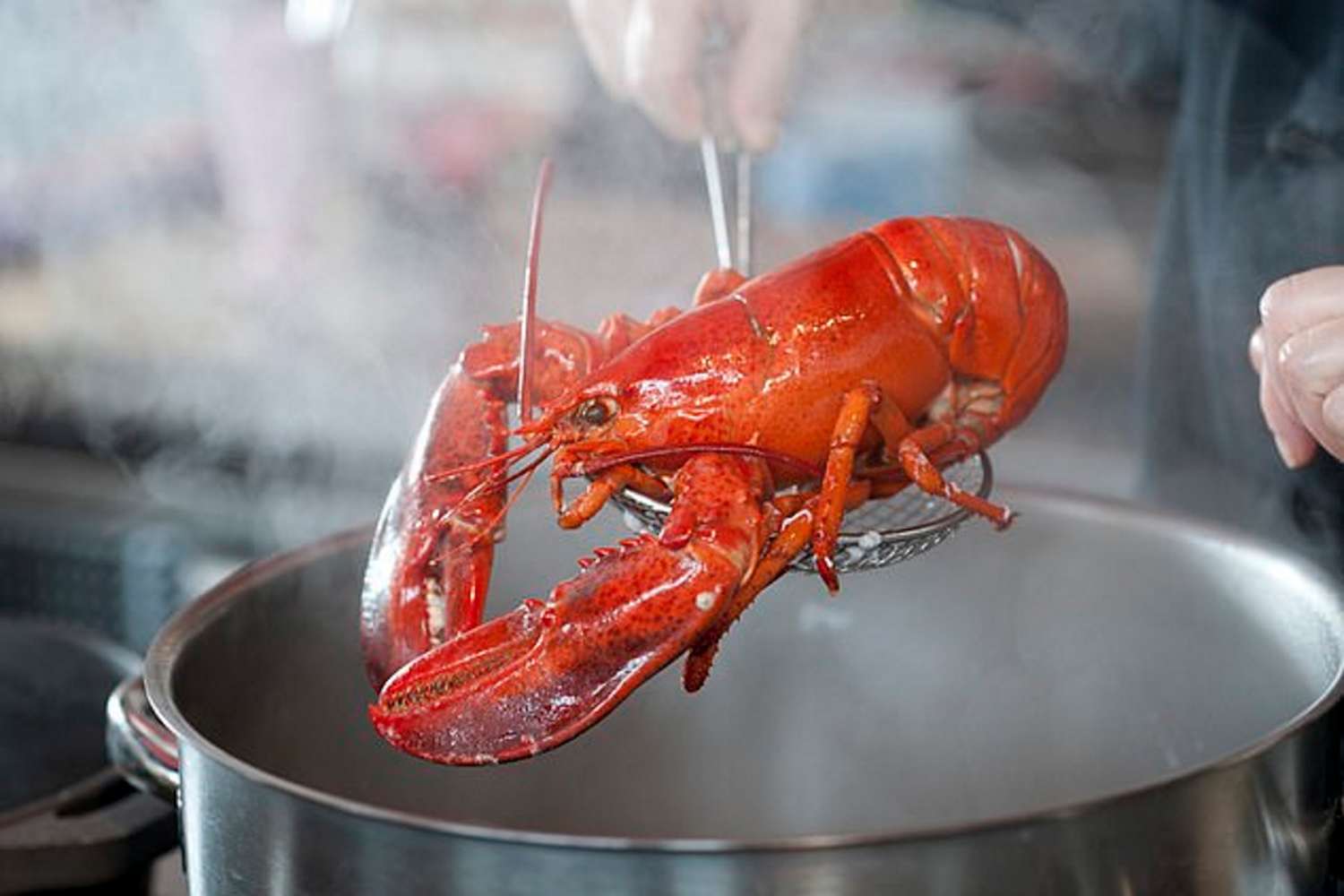
For years they ended up in boiling pots in absolute silence, considered organisms incapable of perceiving suffering. Today science dismantles this comfortable belief thanks to research conducted by the University of Gothenburg and signed by zoophysiology professor Lynne Sneddon. Published in the scientific journal Scientific Reportsthe study demonstrates that crustaceans react to painful stimuli and, above all, that the use of common painkillers can attenuate or eliminate this response.
The queen test with aspirin and lidocaine
During the laboratory experiment led by Lynne Sneddon, 105 specimens of Norwegian lobsters (Nephrops norvegicus) were subjected to brief, controlled electric shocks. The results are unequivocal: the untreated animals reacted by wagging and losing control of their tails, while the preventive injection of 10 milligrams per kilogram of aspirin or immersion in water with 80 milligrams per liter of lidocaine drastically reduced or completely eliminated the escape reaction. The fact that drugs developed for humans work on marine invertebrates is a testament to how crustacean nervous systems process pain through similar pathways to vertebrates.
An ethical short circuit between cooking and farming
The implications of this discovery directly impact global restaurant habits and market practices. In many European countries and around the world, crustaceans are still immersed alive in boiling water or immobilized on ice for sale. Faced with scientific evidence that decapods feel pain, nations such as Norway, New Zealand, Austria, Switzerland and the United Kingdom – which in 2022 legally recognized the sentience of decapods – have introduced bans or restrictive regulations on boiling alive.
The food industry is evaluating alternative methods such as electroshocking, although research shows that electric fields that are too low risk inflicting suffering before inducing unconsciousness. The request from associations and researchers is unanimous: it is necessary to develop ethical and non-traumatic killing protocols, treating crustaceans with the same respect reserved for other animals.
