
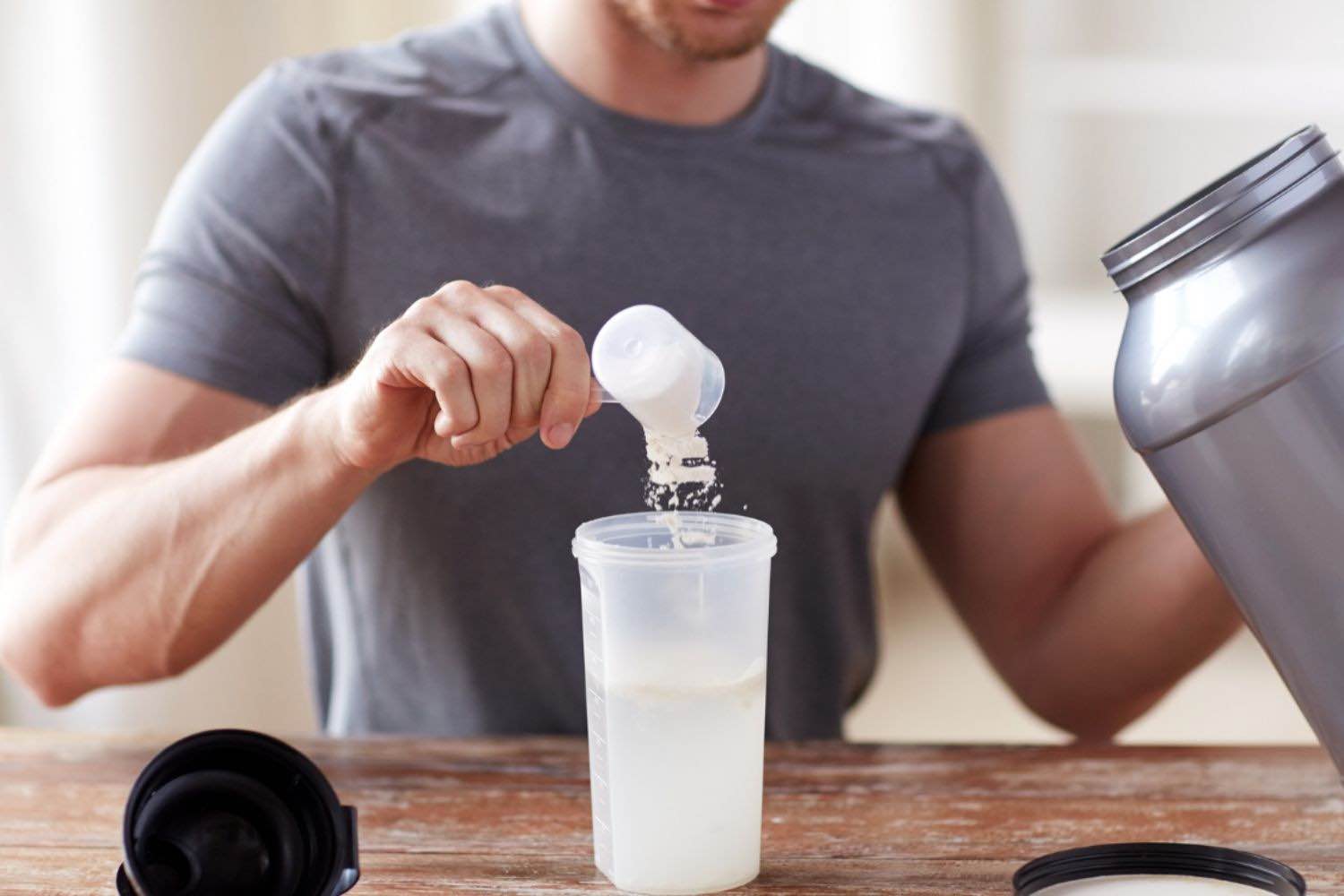
However, those who decide to delve into this type of integration find themselves faced with crowded shelves, where apparently identical packages cost twice as much as each other. This is where it is worth looking beyond the front of the label: the most solid criterion of choice is not the weight indicated on the jar, but the raw material used and its origin.
Creatine and physical activity: why it is used
Creatine is not a foreign substance to the body. It is synthesized from three amino acids – arginine, glycine and methionine – and is concentrated mainly in muscle tissue. A portion comes from the diet: meat and fish are the main sources, for an intake that in an average omnivorous diet is around a couple of grams per day.
Interest in sports concerns a specific area: intense and short-term efforts. In the muscle, creatine is transformed into phosphocreatine, a reserve that allows ATP, the molecule from which the muscle fiber obtains immediate energy, to be rapidly regenerated. It is no coincidence that the only indication allowed on the label at a European level is equally limited and concerns the increase in physical performance in the case of successive series of short, high intensity exercises. A deliberately narrow formulation, which explains why creatine is widespread especially among those who train with weights, run sprints or practice disciplines based on explosive repetitions, and much less among marathon runners.
This does not mean that a supplement can compensate for an unbalanced diet or an improvised training program. The basis remains the same as always: nutrition, sleep, consistency. Integration is an accessory element, which only makes sense when the rest already works. It is also worth remembering that, despite having a favorable safety profile, creatine can cause mild side effects, such as water retention or some gastrointestinal discomfort in the first few days: another reason not to treat it as a banal product.
Not all creatines are the same
Stopping at the price or grams declared on the package is the quickest way to compare two products, but also the least informative. The substantial difference lies elsewhere: in the purity of the raw material used.
The monohydrate is the most studied and most widespread form, yet the quality of the finished product depends on variables that the label only partially describes: the characteristics of the starting ingredient, the synthesis process, the controls carried out during processing. Creatine is obtained chemically, and from that process unwanted by-products can remain – dicyandiamide and creatinine above all – the presence of which depends precisely on the production standards. Checking declared origin, traceability and available certifications is therefore a less pedantic exercise than it seems.
The geographical origin also deserves clarification. It would be incorrect to argue that any product made in Asia is by definition inferior to a European one: there are Asian manufacturers with very high standards. Likewise, European origin is not in itself a guarantee. What makes the difference are the controls, the transparency of the supply chain and the concrete possibility of tracing the raw material.
Because the origin of the raw material matters
For those who purchase supplements intended for regular use, knowing where the ingredient comes from is an extra element of confidence. A traceable supply chain allows you to obtain information on the processes by which that ingredient was obtained, instead of just the trade name on the package.
In the case of creatine, the issue is particularly concrete, because the market markets products with production characteristics that are very different from each other. A monohydrate made in Europe according to rigorous standards represents a coherent choice for those who want to pay attention to the composition and controls, without having to become an expert in industrial chemistry.
This is especially true when the product enters into a continuous routine. The difference is not seen on the packaging: it is played out in everything that happens before that package arrives on the shelf.
Creapure® and production standards
Among the best-known raw materials in the sector is Creapure®, produced in Germany. The brand identifies a creatine monohydrate characterized by high purity and made according to specific production standards, and is indicated on the label by the companies that use it.
Being able to trace the origin of the ingredient allows for a more informed evaluation. Faced with two apparently overlapping products, the comparison should not stop at grams of creatine per portion, but also include the declared origin and the level of detail with which the company communicates it: those who offer products formulated with Creapure creatine monohydrate, for example, tend to make it explicit on the label and in the technical data sheet, which makes the comparison less reliant on impressions.
Another useful element concerns batch analyses. The ability to consult certificates and control documentation says a lot about a company’s setup. On the regulatory front, it should be remembered that all supplements sold in Italy must be notified to the Ministry of Health and appear in the public register of food supplements: the notification does not equate to an approval of efficacy, but it is an easy check to do before purchasing, especially on little-known sales channels.
How to choose a product suitable for your routine
The choice of a supplement starts from your sporting needs and fits into an already balanced routine. No product compensates for poorly structured training, an inadequate diet or insufficient recovery: it is the weak links that determine the result.
The format also has its practical relevance, more than we tend to believe. Single-dose sticks, for example, are convenient for those who train outside the home, travel often or prefer a pre-measured quantity without having to carry a measuring cup with them; jarred powder, on the other hand, tends to cost less per gram and produces less packaging. They are two different logics, both legitimate, which must be evaluated based on one’s habits.
Practicality, however, comes later. First it is best to carefully read the label and check which raw material has been used, where it comes from and what information the company makes available on the production process. If information is completely missing, it is already data.
Quality and price: finding the right balance
Cost remains one of the criteria that guides the purchase, and it is understandable that this is the case. The point is that two packages with the same nominal quantity of creatine can differ significantly in terms of the origin of the raw material, production processes and controls carried out.
Comparing only the price per gram, therefore, returns a partial picture. It is better to evaluate the product as a whole, including the information that the manufacturer makes available and the possibility of tracing the supply chain.
It’s an approach that works far beyond creatine and applies to sports supplements in general. Once you have accustomed your gaze to the origin of the raw materials, distinguishing a product chosen only because it costs little from one selected on verifiable characteristics becomes much simpler.
Integration as part of an active lifestyle
Creatine finds its place in a sporting journey alongside correct nutrition, progressive training and adequate recovery. Its role must be read within that framework, without moving the center of gravity: no supplement is the center of a sports strategy.
For those who train regularly, dedicating a few minutes to reading the label and checking the origin of the raw material is time well spent. A conscious choice starts from knowing what you are buying, especially when it comes to products intended to be used for months.
Then there remain the questions that make sense to ask yourself before opening your wallet: not only how many grams the package contains, but where the ingredient comes from, what standards were followed in production and how much information the company is willing to provide on the supply chain. In the presence of kidney pathologies, during pregnancy or breastfeeding, or simply in case of doubts, the preliminary step remains another: talk to your doctor or a nutritionist.
