
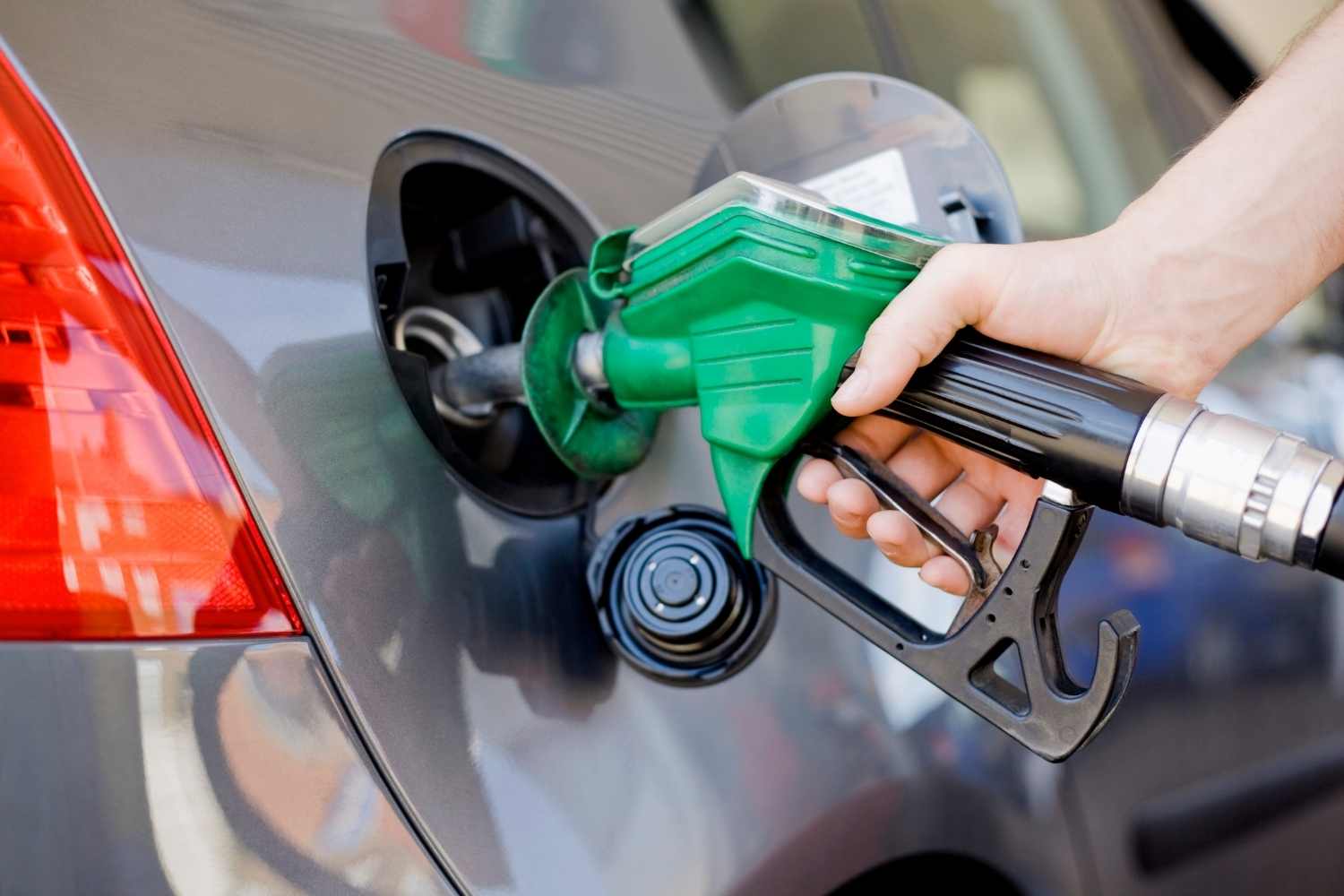
The Government is preparing to intervene again on fuel excise duties expiring on 1 May, with a short extension, around two weeks, but profoundly different from the previous ones. There will no longer be a uniform cut: the new measure will be more selective and will have to fall within a spending ceiling close to 500 million euros. After previous interventions costing hundreds of millions, the executive now aims to better calibrate the available resources, reducing the duration and modulating the impact on the final price at the pump. The provision is expected in today’s Council of Ministers together with other economic and social dossiers.
Diesel favored: the new fuel strategy
The main innovation concerns the choice to favor diesel fuel, hit in recent months by price increases of up to 24%, compared to 6% for petrol. The political direction is now clear: avoid a “horizontal” cut and concentrate the discount where the price increase has been heaviest. The remodulation should translate into a greater benefit for diesel, with direct effects on transport and production chains, while petrol will receive more limited support than in the past.
Road haulage and tax credit to avoid stopping trucks
The decree also provides for the strengthening of the tax credit for road transport, with the aim of covering over 50% of the additional costs. The measure serves to defuse the truck strike scheduled for the end of May and to stabilize a sector under pressure due to high fuel prices. The government aims to avoid the blocking of goods by intervening with tax compensation and new resources.
Housing plan: 100 thousand homes and recovery of assets
The housing plan also arrives on the CDM table, an intervention worth around 4 billion destined to grow up to 5 with cohesion funds. The objective is to create over 100 thousand public housing units in ten years and recover approximately 50 thousand unused public housing units. An initial allocation of 970 million will start the construction sites, with further resources over time and attention also to separated parents, for which a dedicated allocation is expected. The plan aims to simplify procedures and speed up interventions in the area.
You might also be interested in:
