
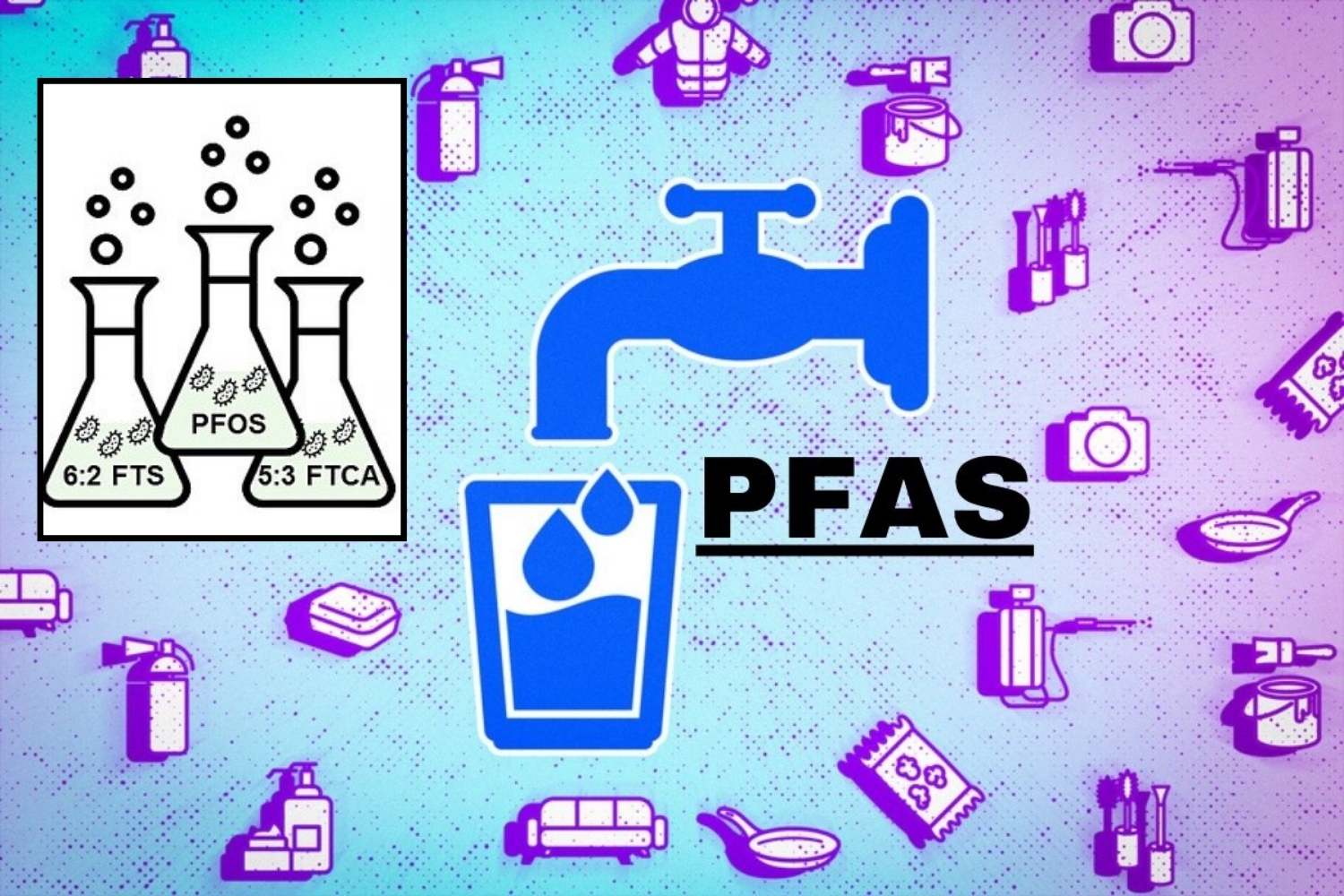
More and more often we hear about Pfas, acronym for per- and polypluoralchilic substances, a group of chemical compounds used in numerous products of daily use, such as waterproof fabrics, non-stick coatings and food packaging.
Undoubtedly very effective, the PFAS are also known for their persistence in the environment and in the human body, where they cause potential damage, including hormonal problems, cardiovascular diseases and, in some cases, tumors. In addition, their ability to pollute soil and waters makes them one of the main environmental concerns all over the world.
From Portugal, however, comes news that could mark a turning point in the fight against eternal pollutants: it was Discovered a bacterium capable of degrading the PFASwhich could offer a possible biological solution to the problem of the contamination of the environment by these substances.
The discovery
The bacterium Labrys Portucalensis F11isolated from the soil contaminated by Pfas of Estarreja, Portugal, by an international team of scientists, has shown a significant potential in degrade three important compounds of the PFAS family, including the famous and dangerous perfluorootottano sulfonico acid (Pfos).
This microorganism, belonging to the Xanthobacteraceae family, proved to be able to reduce 90% of the PFOS in 100 days of incubation, in conditions without other sources of carbon. But not only: also two other molecules derived from the PFAS, fluorotelomeric acid 5: 3 (FTCA 5: 3) and Fluorotelomerico 6: 2 (FTS 6: 2), were degraded by 58% and 21% respectively in 100 days.
A particularly interesting result then concerns the ability of the bacterium to “shorten” the Pfas chain, transforming them into smaller and less toxic metabolites, which are then easier to treat.
The importance of this discovery lies in the ability of L. Portucalensis F11 to perform a flower, a biological process that removes fluorine atoms from organic compounds, making these compounds easier to degrade.
In practice, this bacterium, through its metabolism, is able to unravel very resistant carbon-panel ties, reducing the persistent presence of the PFAS in the environment.
The next steps
The researchers are continuing research, with the aim of further improving the efficiency of this biological process, so that the bacterium can be used to purify soils and contaminated waters.
The research on L. Portucalensis F11 therefore aims to optimize the biodegradation process, experimenting with conditions that can accelerate its ability to degrade the PFAS. In addition, it is being studying how to use this bacterium in practical contexts, such as reclamation of contaminated soils and water treatment.
If the results are confirmed, the bacterium could become a fundamental tool in our arsenal against Pfas pollution. To date, in fact, the removal of these pollutants from the environment takes place mainly through physical methods (such as filtration) which, although effective, are expensive and not without limits.
