
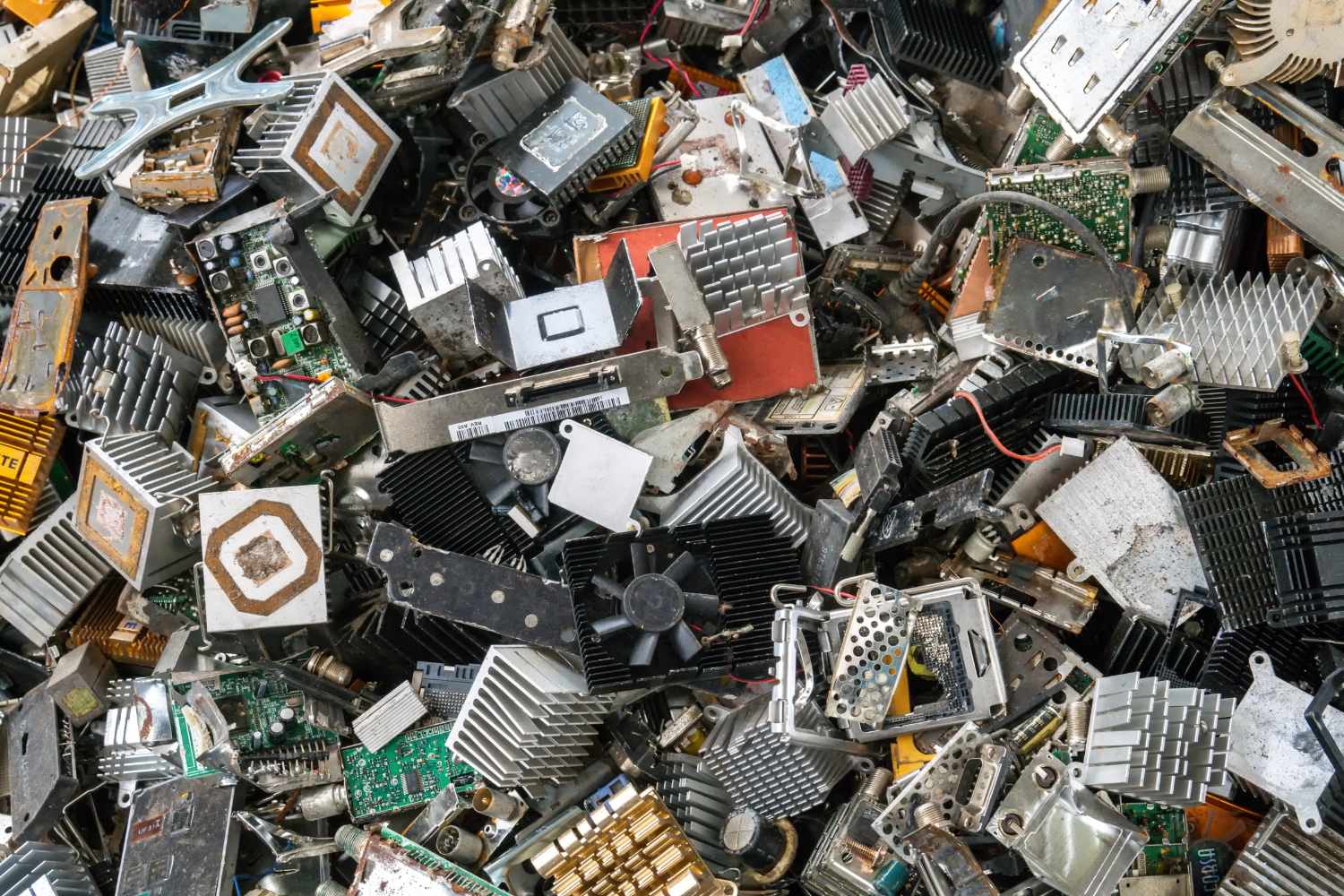
When an old smartphone stops working or a PC is replaced by a newer model, the question of what will become of that device, while crucial, often goes unanswered. Many do not know that that piece of obsolete technology is not simply waste, but Waste Electrical and Electronic Equipment (WEEE) which hides a double truth: dangerous materials and at the same time, rare and very expensive resources. To truly reduce environmental impact and waste, it is essential to learn how to manage and recycle WEEE correctly.
It is precisely on this critical issue that the 2025 thematic focus of the European Week for Waste Reduction (SERR), scheduled for November, is concentrated. The initiative, promoted within the Life+ Program of the European Commission, is a complex environmental communication campaign which aims to stimulate greater awareness of the excessive quantities of waste we produce and, above all, of the need to intervene drastically on prevention.
The EWWR intends to raise awareness among institutions, consumers and stakeholders about the waste prevention strategies and policies implemented by the European Union, which Member States must pursue in line with regulatory directives, such as the Waste Framework Directive (2008/98/EC). Every action implemented this week aims to demonstrate that every actor in society – including the individual citizen – has the power to contribute in a concrete and creative way to waste reduction.
WEEE, between missed objectives and hidden value
The specific focus on WEEE for the 2025 edition is framed by the slogan: “Turn on the value, turn off the waste”. This direct invitation reflects an uncomfortable reality: in the European Union we are still far from reaching the targets set for the collection of this specific type of waste.
Failure to achieve WEEE collection targets is a complex problem. Indeed, these devices contain hazardous materials that require controlled disposal to avoid environmental damage. But the real economic and environmental waste lies in the non-recovery of the rare and expensive resources incorporated within them.
The process and advantages of WEEE recycling
For prevention to be effective, the recycling of WEEE must follow precise and coordinated steps. The process begins with collection at dedicated centers or through take-back programs.
Once collected, the equipment moves on to the disassembly phase, where it is separated into components: printed circuit boards, batteries, glass, plastic and metals. This is followed by the recycling of materials, which involves sending the separated elements to specialized plants. For example, metals are melted down and reused and plastics are processed to produce new material. Non-recyclable waste is managed through safe disposal, which is crucial to avoid environmental pollution.
Recycling WEEE correctly offers significant benefits. First of all, the recovery of precious materials such as copper, aluminium, gold and silver. These components can be reused, reducing the reliance on new extractions. Furthermore, recycling guarantees the prevention of pollution: improper disposal of WEEE releases harmful chemicals into the soil and water; recycling, on the contrary, reduces this risk and promotes responsible waste management. Finally, in line with the principles of the circular economy, we avoid throwing away entire equipment, extracting reusable components and safely disposing only the non-recoverable parts, drastically reducing waste.
Regional strategies and initiatives
The EWWR is not only a moment of reflection at a European political level, but translates into concrete initiatives at a local level, coordinated by environmental agencies. These events have the merit of making prevention strategies tangible for citizens.
In Emilia-Romagna, the event is configured as a key event for the Environmental and Sustainability Education Centers (Ceas), coordinated by Arpae. These centers use the opportunity to organize events and initiatives aimed at promoting the circular economy, in line with the strategies of the Infeas 2024-26 Program and capitalizing on the experience gained, also in related topics such as the “Plastic Free Circular Economy”. The commitment is to spread the message of correct disposal and prevention among the population.
Similarly, the Province of Bolzano has organised, for the European Week for Waste Reduction (22-30 November 2025), a specific awareness day. The Appa Bolzano Waste Management Office will hold the event entitled “Consumption strategies – Between food waste and resource management: cultivating an ecology inside and outside of us” in Bolzano on Thursday 27 November 2025.
The day includes two discussion sessions with experts on the key issues of waste. The morning (9:00-12:00) will focus on food waste, while the afternoon (14:00-17:00) will be dedicated to the ecology of reuse. These moments of dialogue are essential to show citizens how daily consumption choices have a direct impact on the management of resources and, ultimately, on the volume of waste produced, including WEEE. Participation is open to all, confirming the desire to make the environmental message universal.
The fight against technological waste and the recovery of the intrinsic value in WEEE inevitably require greater awareness. As citizens, the answer to the question of “what happens to our old devices” is one action: choosing reuse, repair or, ultimately, proper recycling.
