
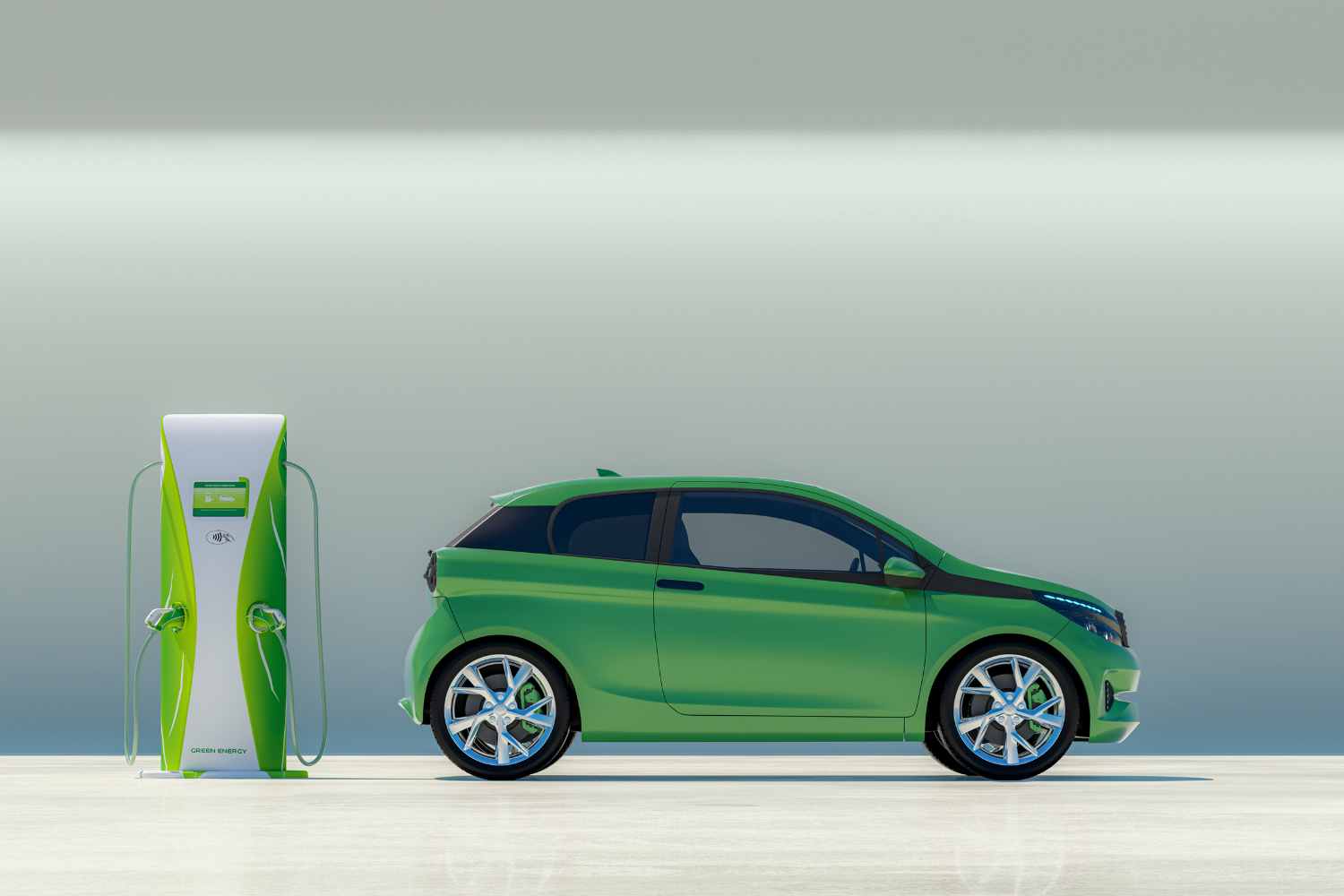
A package of 597 million euros to push mobility to zero emissions in the most polluted urban areas. This is the provisions of the new decree implementing the Ministry of the Environment and Energy Safety (Mase), financed with resources of the national recovery and resilience plan (PNRR). The goal is clear: replace the old internal combustion vehicles with electric models, thus reducing the environmental impact of city traffic and improving air quality.
The measure is aimed at two main categories: natural and micro -enterprise persons with residence or registered office in functional urban areas, that is, city with more than 50 thousand inhabitants and related pendullarism areas. To obtain the incentive, the scrapping of a thermal vehicle up to € 5 is mandatory.
According to Minister Gilberto Pichetto, “with this new incentive scheme we want to accelerate the transition also in the private and commercial mobility sector, concretely supporting citizens and small businesses in the urban contexts most exposed to pollution”. The minister also stressed that the support is “calibrated for those with lower income and for micro -enterprises, because the transition must also be sustainable from a social point of view”.
For private individuals, the contribution concerns the purchase of M1 category electric cars. The amount varies according to the ISEE: 9,000 euros or 11,000 euros, with expenditure roofs and specific methods established by the decree. For micro -enterprises, however, the incentive concerns commercial electric vehicles (categories N1 and N2) and can reach up to 20,000 euros by means, within 30% of the purchase price, in accordance with the “de minimis” legislation.
Requests will be managed through an IT platform developed by Soii, where both the beneficiaries and the participating sellers will have to register. The bonus will be applied as a direct discount during the purchase phase, avoiding subsequent bureaucratic passages. The date of opening of the procedures and operational details will be communicated with an official notice on the Mase website.
The initiative is part of a context in which electric mobility, although growing, still discounts obstacles such as the initial cost of vehicles and the non -uniform distribution of charging infrastructures. The new scheme aims to reduce at least one of these barriers, lightening the outlay for those who want or must replace an old and polluting car.
If the effectiveness of the incentives also depend on the speed in activating the platform and the clarity of the rules, the fact remains that the decree aims to act on two fronts: reduce the harmful emissions in the most exposed inhabited centers and economically support those who, without public help, would struggle to take the step towards a zero -emission vehicle.
Don’t you want to lose our news?
