
Our journey to discover the hidden treasures of the Po Valley took us about half an hour from Parma, to a village where water and history merge in an indissoluble embrace. Fontanellato owes its fascinating name to the Latin expression Lata fountainwhich evokes the richness of natural springs and fountains that emerge from the clayey subsoil.
This complex water system not only irrigates the fields of the Lower Parma area, but also constantly supplies the suggestive moat that surrounds the symbolic building of the town. Recognized as one of the pearls of the most beautiful villages in Italy, as well as awarded the Orange Flag of the Touring Club and the title of Slow citythis center contains a perfect combination of relaxed rhythms, excellent architecture and flavors of times gone by.
@RebeccaManzi/GreenMe
A walk in the historic center between markets and arcades
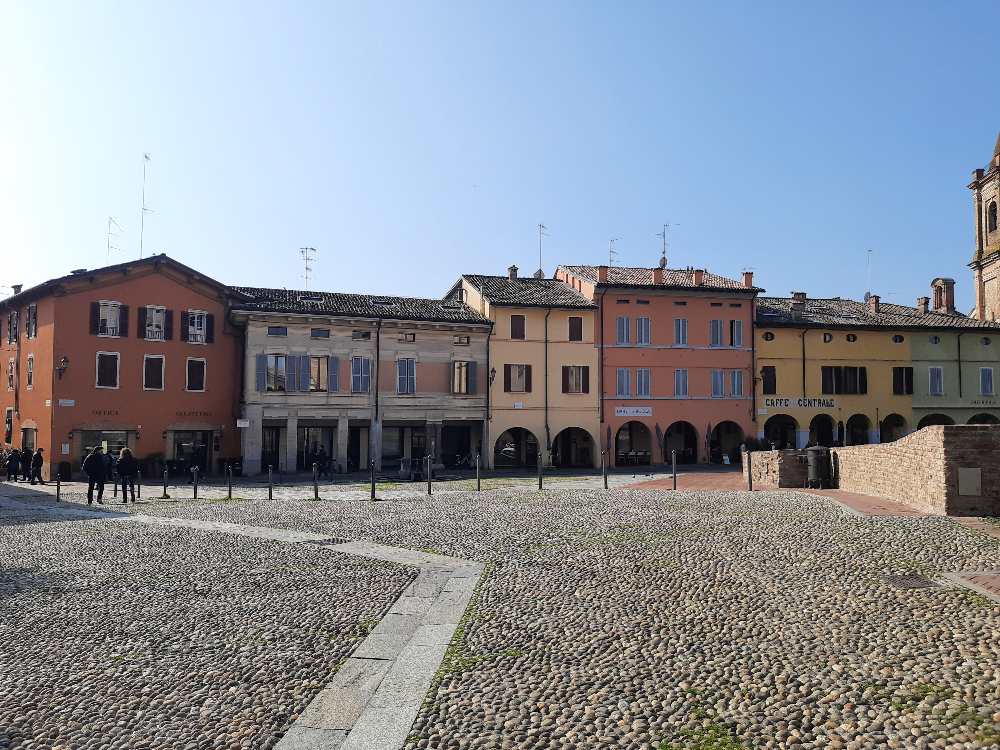
Our itinerary began along Via Costa, one of the most characteristic arteries of the village. This street stands out for its rows of houses in warm, pastel colours, animated by small artisan shops and historic cafés where local people meet to chat with the typical calm of the plain. We explored the village over the weekend, when the entire perimeter around the moat is completely cleared of cars.
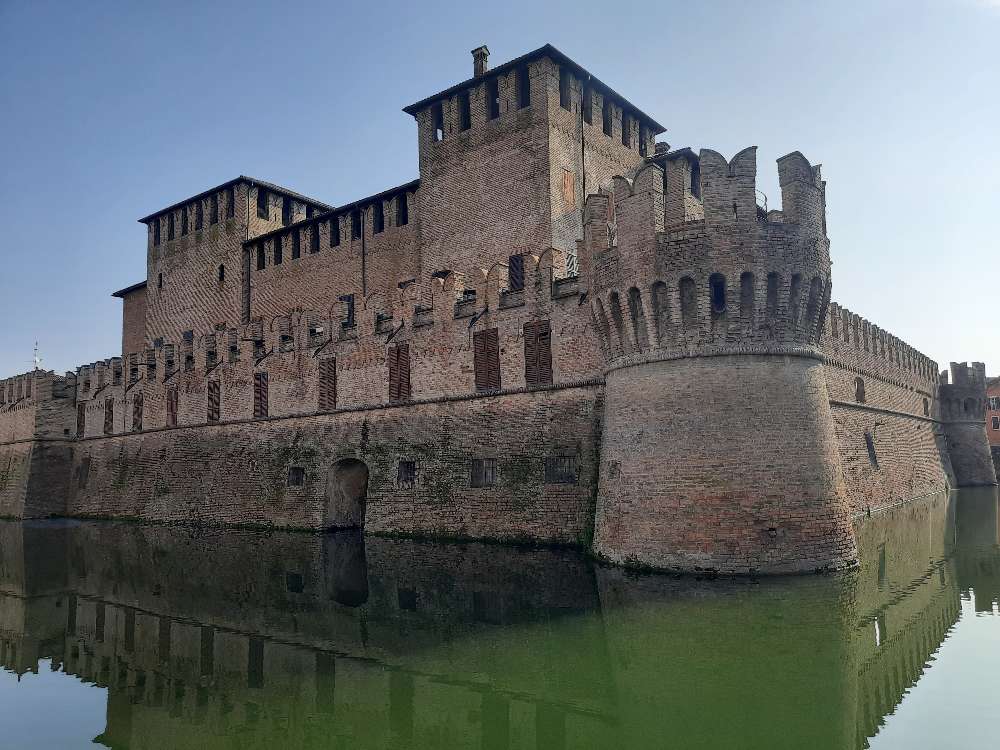
Walking in this large pedestrian area allows you to admire the imposing external architecture of the manor reflected in the water, while the air is filled with the buzz of the local market, a fixed event held every Thursday and Sunday morning, where the stalls display culinary delicacies and antiques.
@RebeccaManzi/GreenMe
The Municipal Theater and the noble palaces
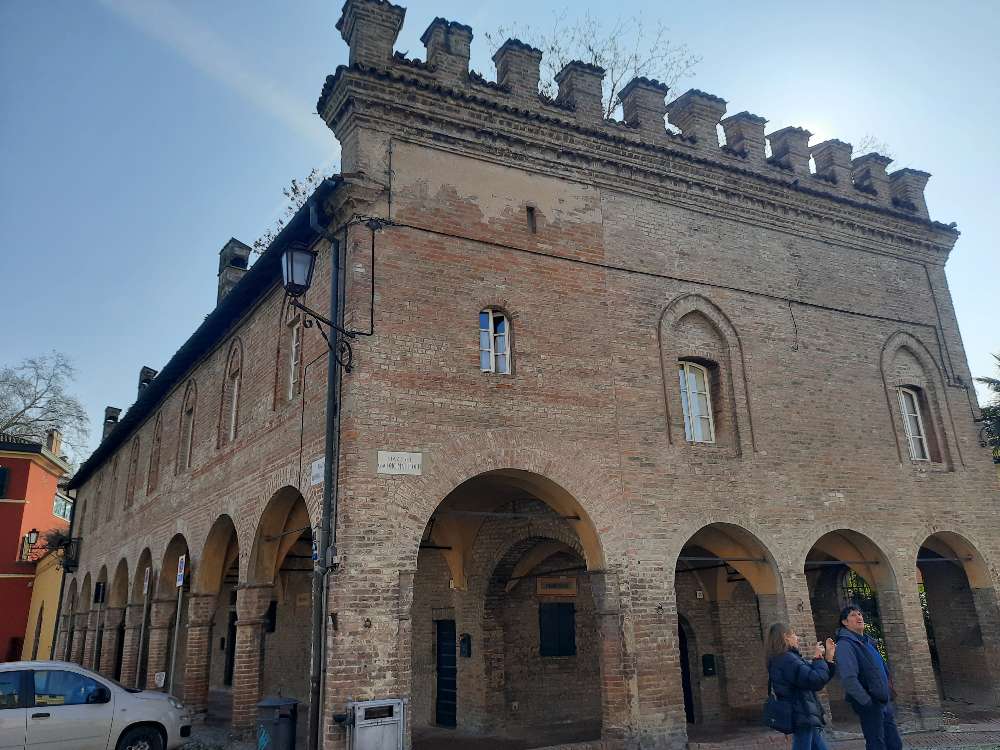
The urban profile of Fontanellato is enriched by civil architecture of great value that is revealed simply by walking. We came across the Municipal Theatre, a structure whose first construction was designed by Alessandro Sanvitale, then completely demolished in 1832; the current building, which displays a splendid nineteenth-century façade, is based on the subsequent design by the architect Pier Luigi Montacchini. Continuing the external exploration, we come across the imposing former Sanvitale stables and the facades of historic homes, elements that give the village an aristocratic and intimate atmosphere.
@RebeccaManzi/GreenMe
The castle reflected in the resurgence waters
But the real gem of Fontanellato is its Rocca Sanvitale: we were literally enchanted by its majesty. This imposing fortress, originally built in the twelfth century and profoundly remodeled in the fifteenth century, bears witness to the centuries-old dominion of the noble Sanvitale dynasty, who chose it as their home for around six hundred years, transforming it from a military outpost into a refined noble residence.
@RebeccaManzi/GreenMe
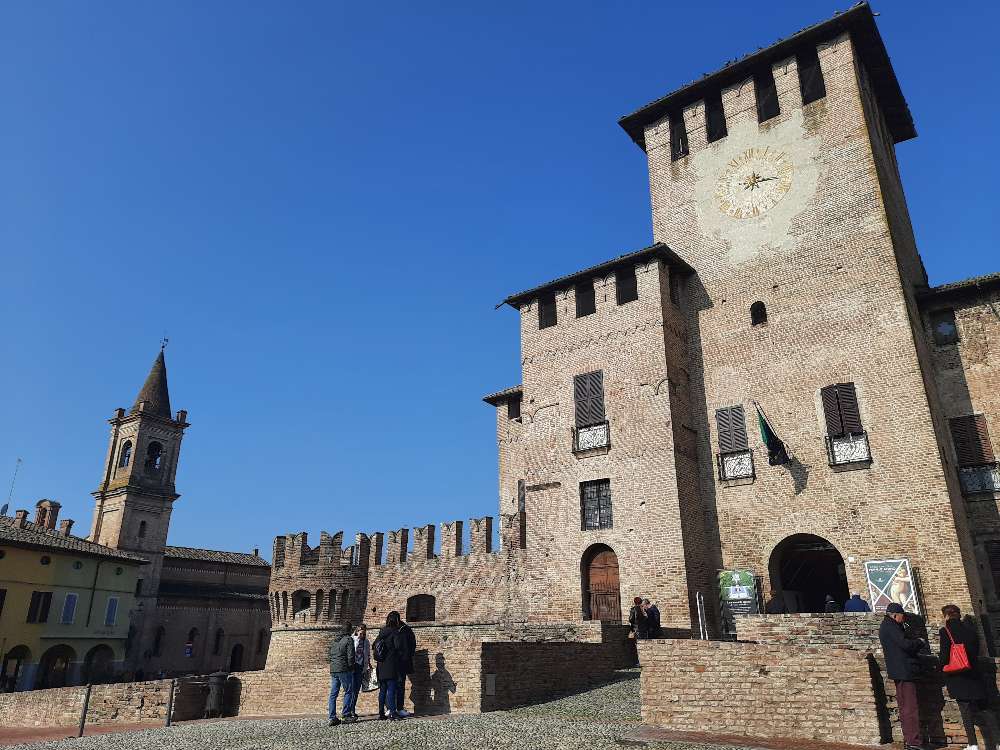
Crossing the drawbridge, guided tours lead through the noble apartments, where precious furnishings dating back to the sixteenth and nineteenth centuries are preserved.
@RebeccaManzi/GreenMe
The Sanctuary of the Blessed Virgin and the baroque masterpieces
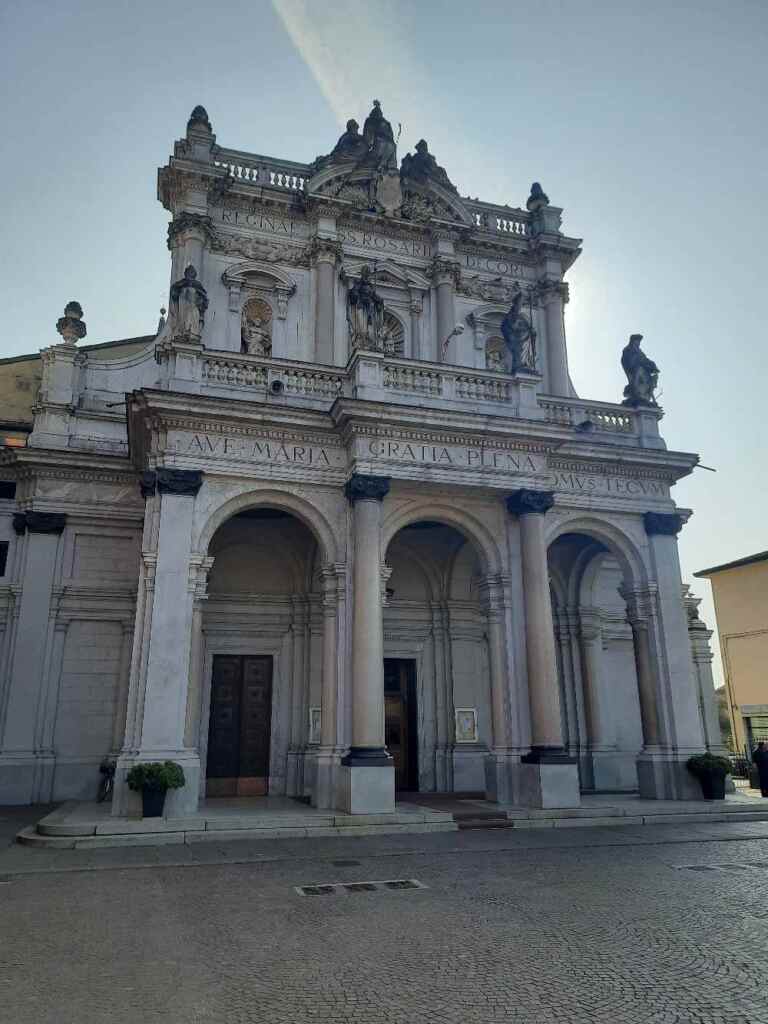
After exploring the fortress, we continued on foot towards the outskirts of the village to visit the Sanctuary of the Blessed Virgin of the Rosary, about ten minutes away. Founded in 1514 by Dominican friars, the building is a pilgrimage destination famous for its baroque frescoes and a rich gallery of votive offerings. It is a true spiritual point of reference for the entire province of Parma.
@RebeccaManzi/GreenMe
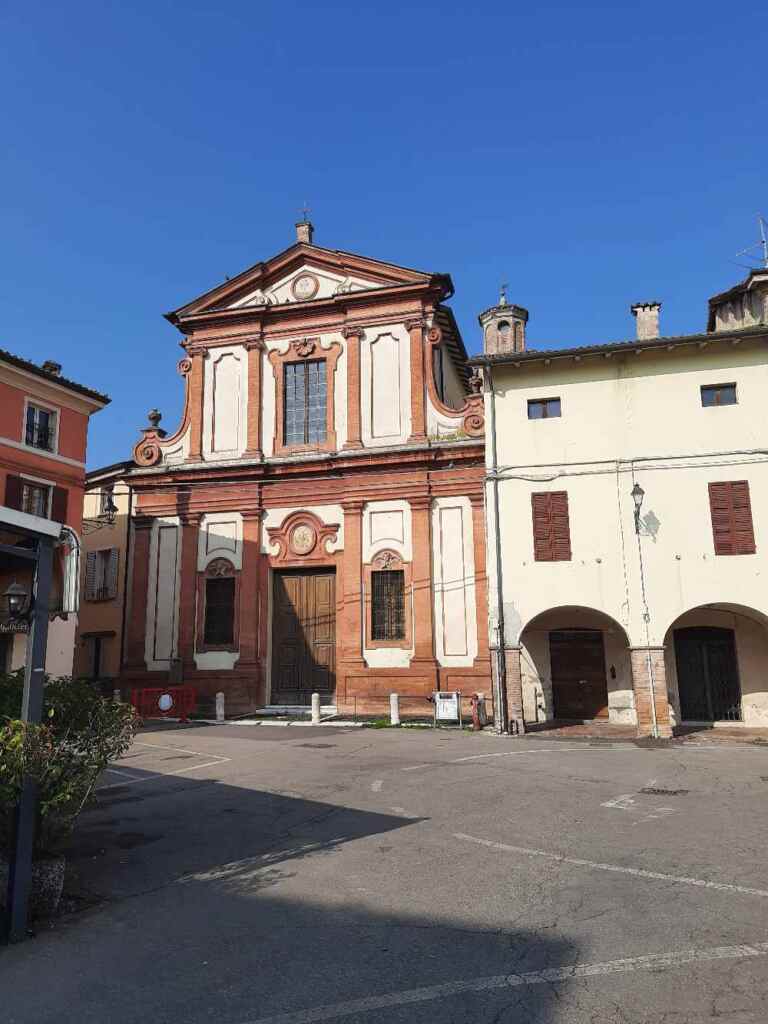
The monumental impact of the complex inserted in the landscape of the plain is remarkable. Next to it, the Oratory of the Assunta houses a famous wooden sacristy from 1720, the work of Giulio Seletti, and baroque decorations by Sebastiano Galeotti which testify to the cultural richness of this community.
@RebeccaManzi/GreenMe
