
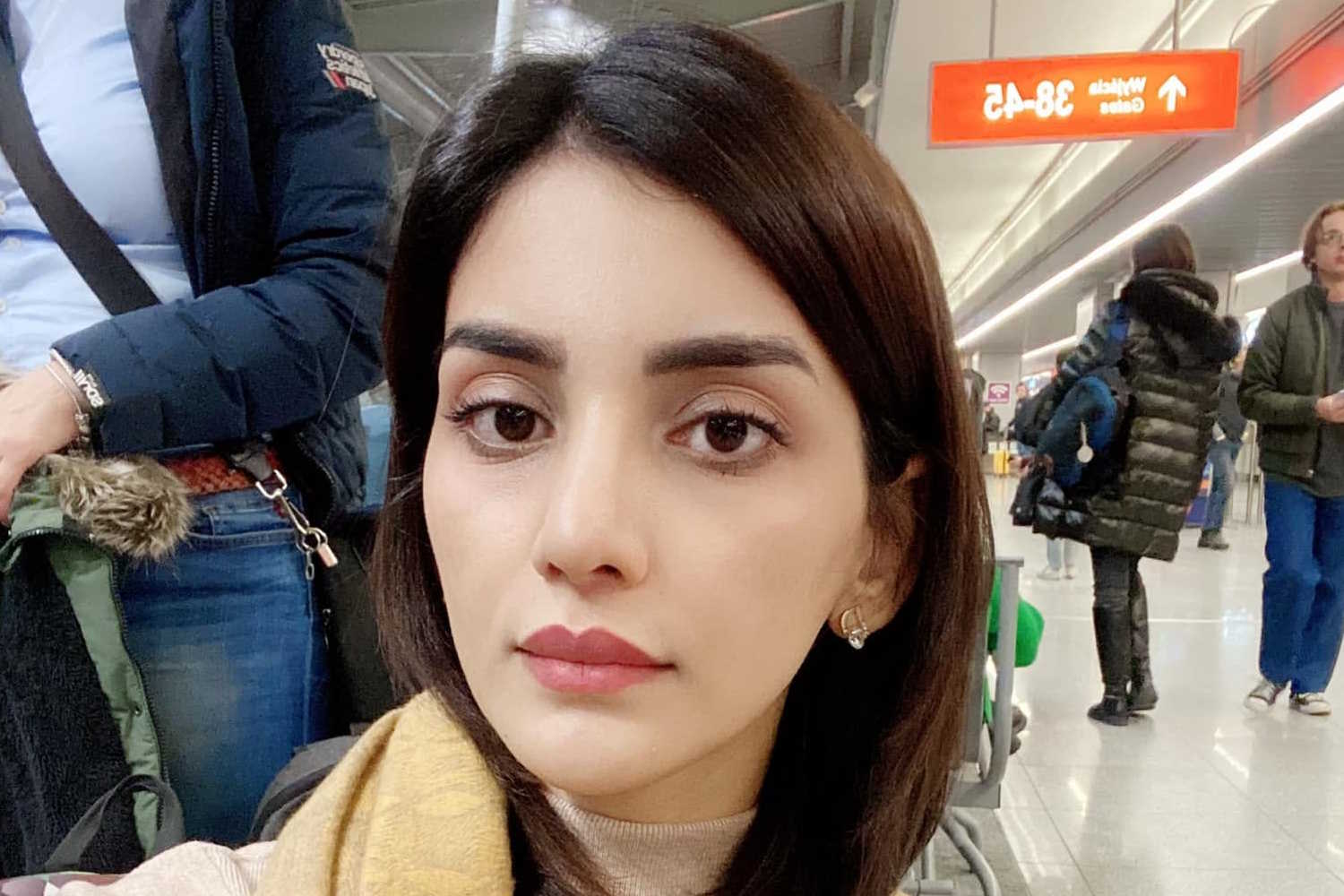
There are stories that seem to belong to another time and instead speak of a tragic present. That of Nilofar Ayoubinow an activist for Afghan women’s rights and a refugee in Poland, is one of these. The story of a childhood lived between fear and freedom, of a suspended identity and of a father willing to challenge conventions in order to offer his daughter what, in his country, girls are often denied: the right to exist.
Nilofar was born in 1996 in Kunduz, northern Afghanistan, during the first Taliban regime. She was just four years old when an episode marked her life forever: as she told the BBC, a man slapped her in the street because she wasn’t wearing the hijab and, immediately afterwards, he checked that she was really a girl.
For her father that is a wake-up call and he understands that raising a daughter in that context means exposing her to violence, discrimination and limitations on a daily basis. So he makes a courageous decision: he cuts her hair, dresses her in her brothers’ clothes and raises her as if she were a child.
View this post on Instagram
In Afghanistan this practice has a specific name: bacha poshan expression that literally means “dressed as a boy“.
We talk about it here: Bacha posh: the drama of Afghan girls forced to dress up as a boy to go to school and go out alone
This is a tradition adopted by some families who, at least temporarily, have a daughter live as a son so that she can move freely, attend school, work or contribute to the family’s livelihood. In Nilofar’s case, however, the father’s choice arises above all from the belief that his daughter deserved the same opportunities as her brothers.
To be a male was to have power. Even a two-year-old had more rights than his mother, he recalls today.
For about ten years, from four to fourteen, Nilofar lives as a child. She can accompany her father to the market, take the bus, play sports, play outside with other children and move around without the restrictions imposed on Afghan girls. An experience that gives her security, autonomy and self-confidence. Almost no one suspects her true identity and even her best friend experiences the same condition.
But that double life also comes at a very high price.
No one had explained to her what would happen to her body during puberty. When, at the age of thirteen, her first menstruation arrives, she doesn’t understand what is happening to her. It’s the moment when the pretense must end. The family decides that the time has come to live like a girl again. For her mother it is a profound pain: she knows that her daughter will suddenly lose all those freedoms she has gained and will have to face the same limitations imposed on millions of Afghan women.
Even for Nilofar the change is traumatic.
I cried every night and prayed to be able to change my sex, she said.
Yet that very experience becomes the root of his commitment. During her studies she created awareness groups dedicated to girls, then moved to India to continue her education, always supported by her father, who left her the freedom to choose her own future and even if and when to get married. Returning to Afghanistan, after the family moved to Kabul, she founded a furniture company that employed hundreds of people, also offering work to many women.
In 2021, with the Taliban returning to power, everything changes again.
Nilofar and his family are forced to flee and, with the help of some Polish journalists, manage to leave Kabul with just two backpacks. Today she lives in Poland and is one of the most authoritative international voices in defense of the rights of Afghan women and girls. His story? It continues to remind us how fragile rights can be when denied by violence and oppression. And how strong the courage and love of a family can be.
