
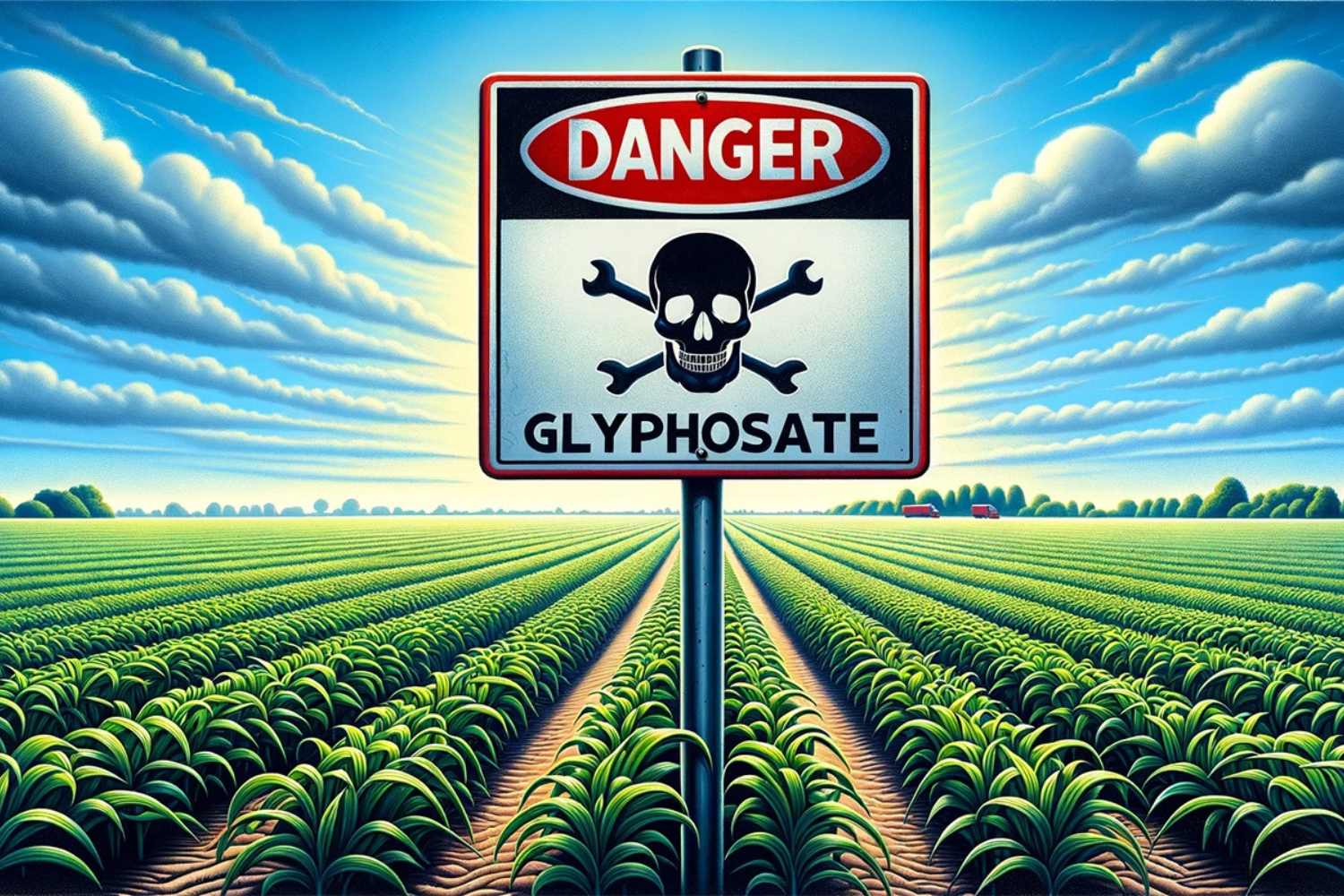
The European Commission cannot systematically and automatically grant extensions of pesticide approvals in case of delays in the reassessment process. Which instead happened in the case of glyphosate, boscalid and dimoxystrobin.
This is what was clarified by the Court of Justice of the EU in a case brought by the NGO PAN Europe. An important ruling, which could aim to limit the now recurring practice of extending approval for pesticides year after year without assessing the risks to health and the environment–
This ruling will end the pesticide industry’s recurring practice of providing incomplete application dossiers leading to delays of up to 10 years in re-evaluating the safety of pesticides. This strategy keeps toxic substances on the market many years after scientific research has demonstrated their toxicity, explains Hans Muilerman, Senior Chemical Officer at PAN Europe.
What happened
The NGOs had challenged the European Commission’s decision to extend the approval of the fungicide dimoxystrobin before the European Court. Although European legislation requires that the safety of pesticides be reviewed every 10-15 years, in practice many substances experience delays of up to 10 years after the initial authorization period has expired.
The Court ruled that the Commission’s practice of granting long and repeated extensions of authorizations is illegal. It also clarified that the legislation only allows exceptional and temporary extensions, which must be justified based on the real progress of the risk assessment. Grant a six-year extension for the dimoxystrobin without adequate motivation it was therefore illegitimate.
The Court reiterated the Commission’s obligation to respect the precautionary principle and to give priority to the protection of human health and the environment.
According to Professor Antoine Bailleux, legal advisor to PAN Europe, «the Court has highlighted that the systematic or automatic use of extensions violates both the letter and the spirit of European pesticide law, which places people’s health and environmental protection above economic interests».
The Court recalls that the law establishes precise deadlines for risk assessments. Systematic non-compliance by the Commission exposes citizens and the environment to toxic pesticides for longer than necessary, explains Salomé Roynel, Policy Officer at PAN Europe.
Two similar sentences were also published in the appeals presented by Pollinis, relating to the extension of the approval of boscalidand by Aurelia Stiftung regarding glyphosate, ahead of its reauthorization in 2023.
A little data
Dozens of extensions are granted each year for dangerous pesticides. In 2021, a year before the lawsuit was filed, the European Commission authorized 136, equivalent to almost 30% of the active substances approved in the European Union.
PAN Europe has identified two main causes of delays in the review process:
This is the third great legal victory: in 2023 the EU Court of Justice declared systematic exceptions to banned pesticides illegitimate and in 2024 it established that, in the re-evaluation phase, the most recent independent scientific evidence must be considered.
Sources: PAN Europe /Court of Justice
