
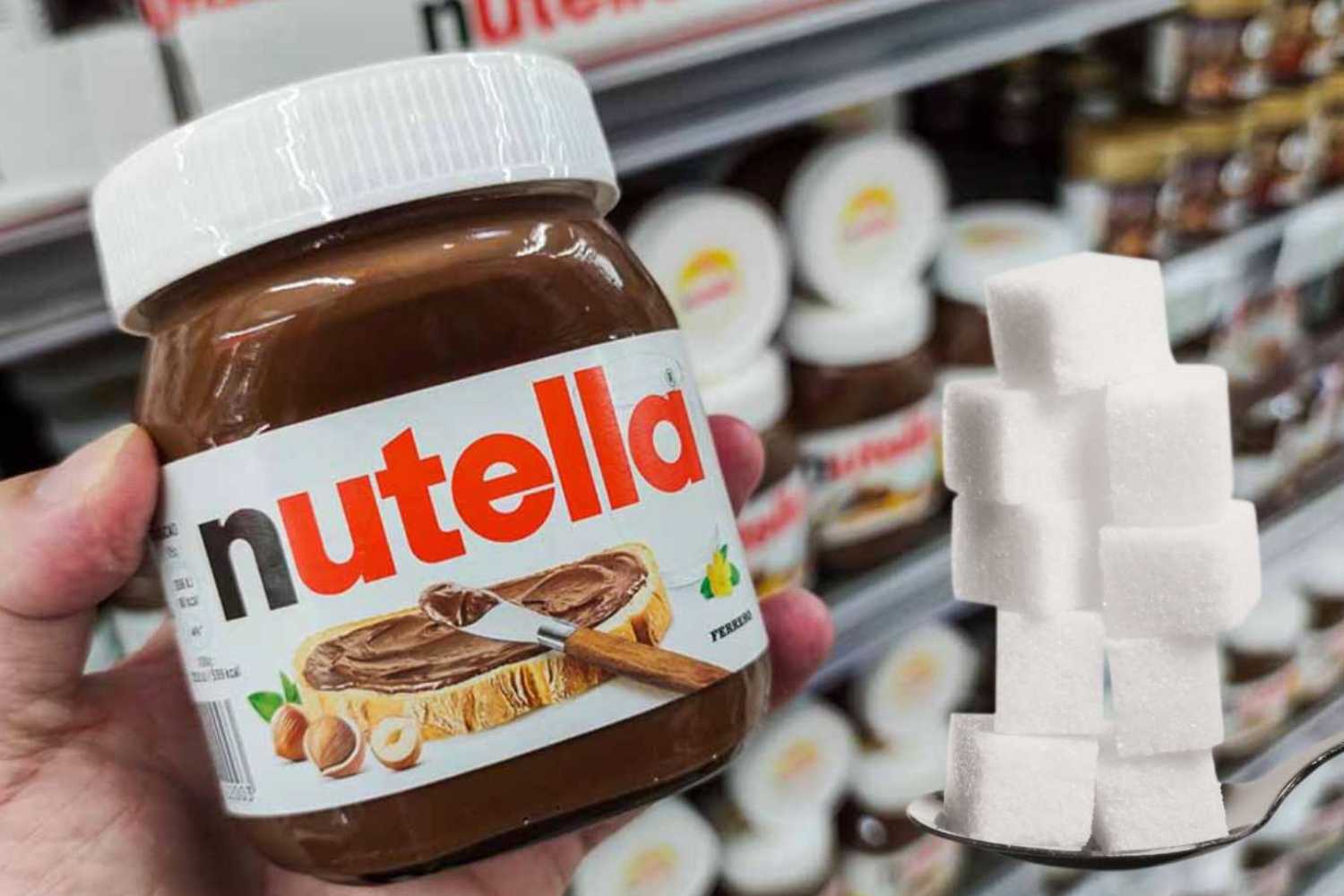
An investigation conducted by K-Tipp – in Swiss It is one of the main magazines for consumers – ha examined ten chocolate and hazelnuts spreads to evaluate their composition and identify any contaminants. Among the products analyzed there are typical references of the Swiss market, but also internationally known brands, including Nutellathe spreadable cream Lindt And Choco Nussadistributed by Lidl.
The goal of the study was to understand the nutritional quality of these creams and identify the presence of potentially harmful ingredients for health. Here is what emerged from the laboratory tests.
The test verdict: sugar and fat in abundance
The analysis confirmed what many careful consumers already suspected: The composition of these creams is dominated by sugars and fats, which on average represent between 80% and 90% of the product. A figure that invites us to reflect on their suitability for regular consumption.
Among the creams analyzed, Nutella presents the highest sugar content: Over half of its formulation is made up of sugars. A 30 -gram portion, spread on a slice of bread, provides about 16 grams of sugar, the equivalent of four zollette. This value, however, is slightly lower than in the past, a sign of a reduction contained in the amount of sugar used.
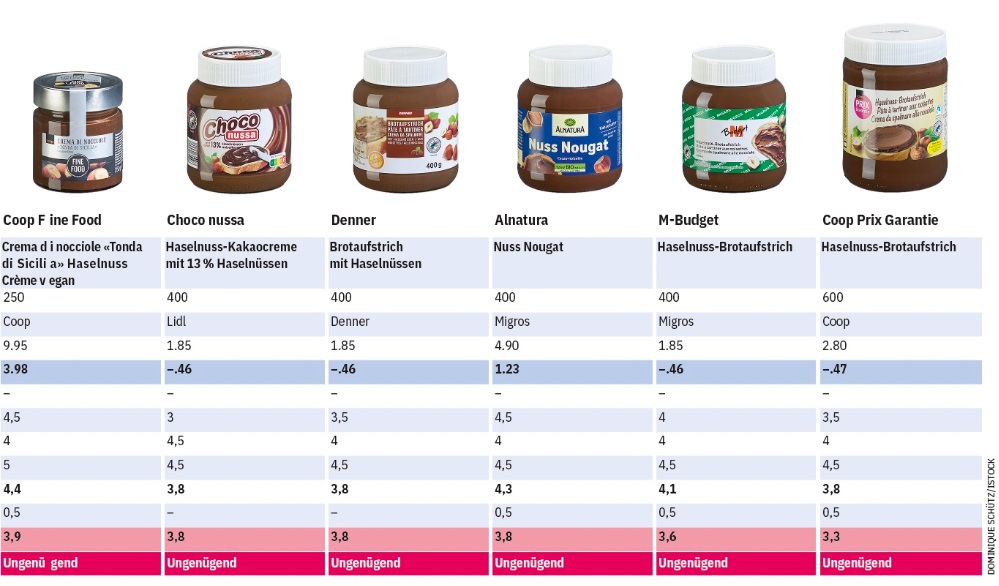
The situation appears even less encouraging for the Choco Nussa by Lidlwhich has a concentration of sugars similar to that of Nutella, but obtains a worst evaluation for other parameters. While Ferrero’s spreadable cream receives a “sufficient” judgment, the Choco Nussa is among the worst of the test, penalized by its composition.
The best product? A vegan cream
The cream it has obtained The highest score is Bionella’s vegan cream. Although the fat content is expected on high values (about 45%), this It is the only one to be without residues of dangerous mineral oils, such as Mosh and Posh.
The presence of these substances is a source of concern, as they can accumulate in the body and have potentially harmful effects on health.
But how do these contaminants introduce in spreadable creams? According to experts, they can penetrate the product through various passages of the supply chain: from the cultivation and storage of raw materials to the transport phase. In addition, lubricants used during production and packaging can also represent a source of contamination.
Those who want a healthier alternative can orient themselves on creams with more natural ingredients, they oppose the preparation of a homemade spreadable cream (here you can find our recipe).
Palm oil: a question still open
Another aspect that emerged from the test concerns the use of palm oilstill widespread thanks to its economy and the ability to give a creamy consistency to the product. The production, however, has long been under accusation for the strong environmental impact: Palma plantations contributed to the deforestation of tropical rain forests, endangering biodiversity and subtracting habitats from numerous species.
Some companies have chosen to replace palm oil with other alternatives, such as Colza oilwhich has the advantage of containing omega-3 unsaturated fatty acids, considered healthier. Unfortunately, The cultivation of rapese oil also has some critical issues: requires a higher ground surface than palm oil, with a lower performance, and to produce a ton of rapeseed oil it is necessary to grow a hectare of soil, while with a hectare of palm you can obtain about five tons of oil.
A further problem is represented by Insecticides used in Colza’s cropswhich can be harmful to pollinating insects such as bees. A similar scenario shows that Palma oil alternatives are no longer increasingly sustainable from an environmental point of viewand the search for better solutions remains an open challenge for the food industry.
The analysis method
The test was performed by a laboratory specialized in Germany, which evaluated ten chocolate and hazelnut spreads based on different parameters:
The K-Tipp investigation offers us an interesting starting point of reflection on products that, despite being highly appreciated, hide several critical issues, nutritional and environmental, which certainly deserve greater attention from consumers.
