
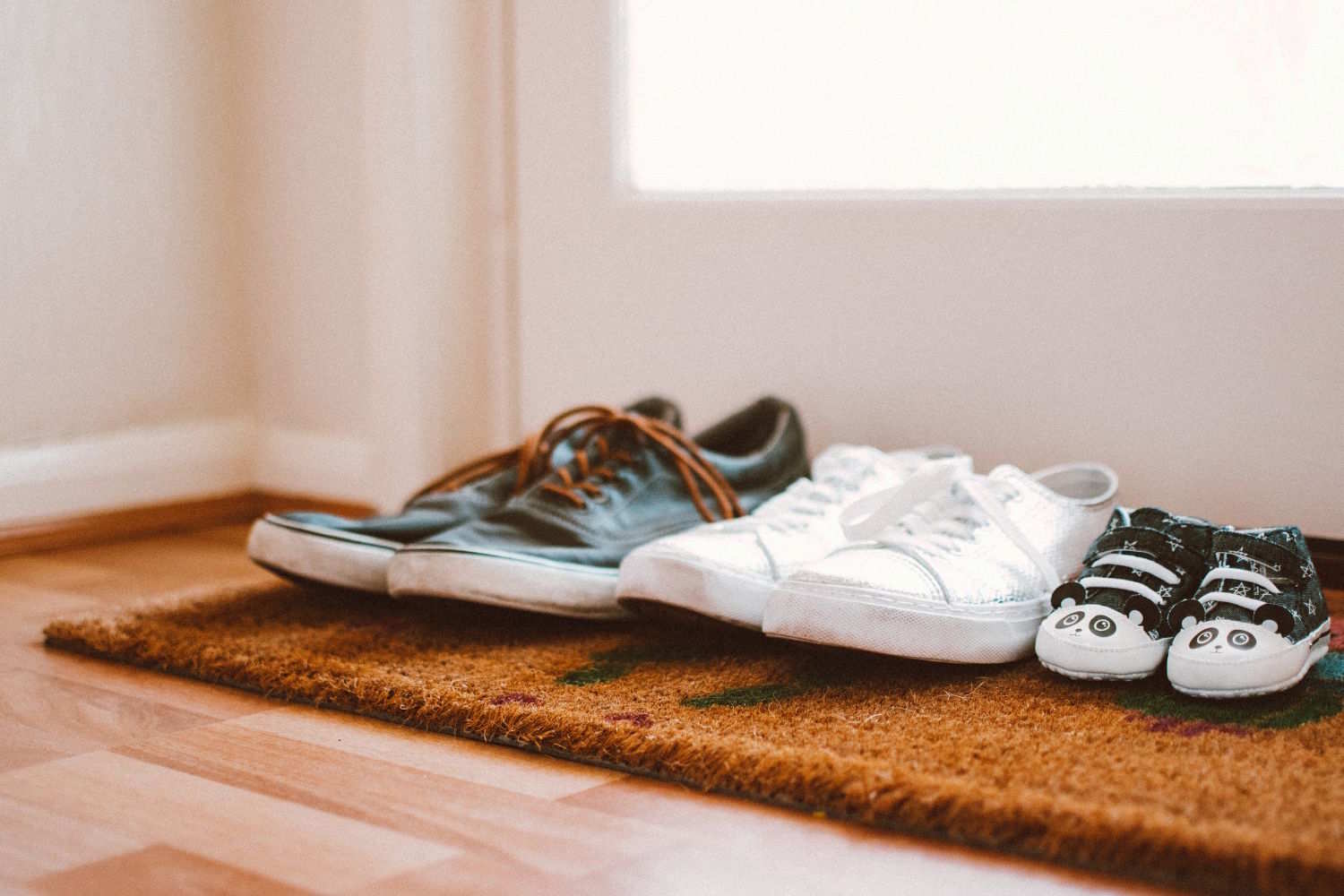
Recently, architectural sensitivity and interior design have rediscovered the importance of the transition area between the outside and the inside, recognizing it as a sanitary and functional filter.
Organizing this space as best as possible, perhaps by inserting a solid and spacious entrance shoe rack or a support point, allows you to change the management of daily cleaning, transforming a simple gesture into a healthy family habit. Leaving outdoor footwear on the threshold means not only preserving the integrity of the floors, but undertaking a conscious path that safeguards the hygiene of private living spaces, reducing the introduction of disturbing elements for the body.
A barrier against contaminants and bacteria
The soles of shoes act as real catalysts of pathogens, fine dust and allergens accumulated along pavements or in public spaces.
Walking inside rooms with the same footwear used outside involves the automatic transfer of toxins, chemical residues and potentially harmful bacteria onto walkable surfaces. This dynamic proves to be particularly critical in homes where small children live, who usually play on the floor, or pets, who come into constant direct contact with the floor.
Choosing to block these contaminants on the door favors the creation of a healthier and purer internal microclimate. The reduction of suspended dust and volatile allergens translates into immediate relief for the respiratory system, limiting the family’s exposure to germs and unwanted substances.
Surface conservation and time optimization
In addition to the undeniable advantages related to home health, the adoption of this practice positively affects the long-term maintenance of finishing materials.
Continuous trampling with stiff or dirty soles accelerates the wear of delicate surfaces such as solid wood parquet, resins or precious marbles, as well as compromising the stability of the fibers of rugs and carpets. Eliminating the friction caused by abrasive debris and pebbles allows you to preserve the shine and integrity of the original materials, reducing the costs and frequency of restoration interventions.
At the same time, an environment that is not subject to the constant contribution of road dirt requires less effort in terms of daily cleaning, allowing you to optimize the time to dedicate to household chores.
Comfortable and functional furniture
To consolidate this habit, the atrium must be designed with extreme care, making elements available to residents and guests that combine comfort and rationality.
An entrance shoe rack with sober and proportionate lines constitutes the fulcrum of this micro-area, offering flexible space-saving solutions for storing footwear in an orderly and discreet way. To this, it is advisable to combine a comfortable bench or a designer stool, which facilitates the shoe changing operation, together with a system of useful accessories such as hooks for coats and containers for keys.
This formal and efficient structure not only maintains the visual cleanliness of the home, but acts as an implicit and natural invitation for guests, defining a new standard of hospitality focused on well-being and attention to detail.
