

The Royal Horticultural Society (RHS) has released a series of useful indications for taking care of houseplants that flower in the cold months, from amaryllis to jasmine, through Christmas cacti and cyclamen. Some practical suggestions for facing winter without giving up color and vitality in interior spaces.
Christmas cactus
Christmas cacti, known by the botanical name Schlumbergera, can easily become an original and decorative presence. Unlike the more common cacti, they come from forest environments and do not have thorns. The flattened stems have a truly interesting appearance, while in the winter months abundant brightly colored blooms appear, capable of livening up the home environment in the coldest period.
Jasmine
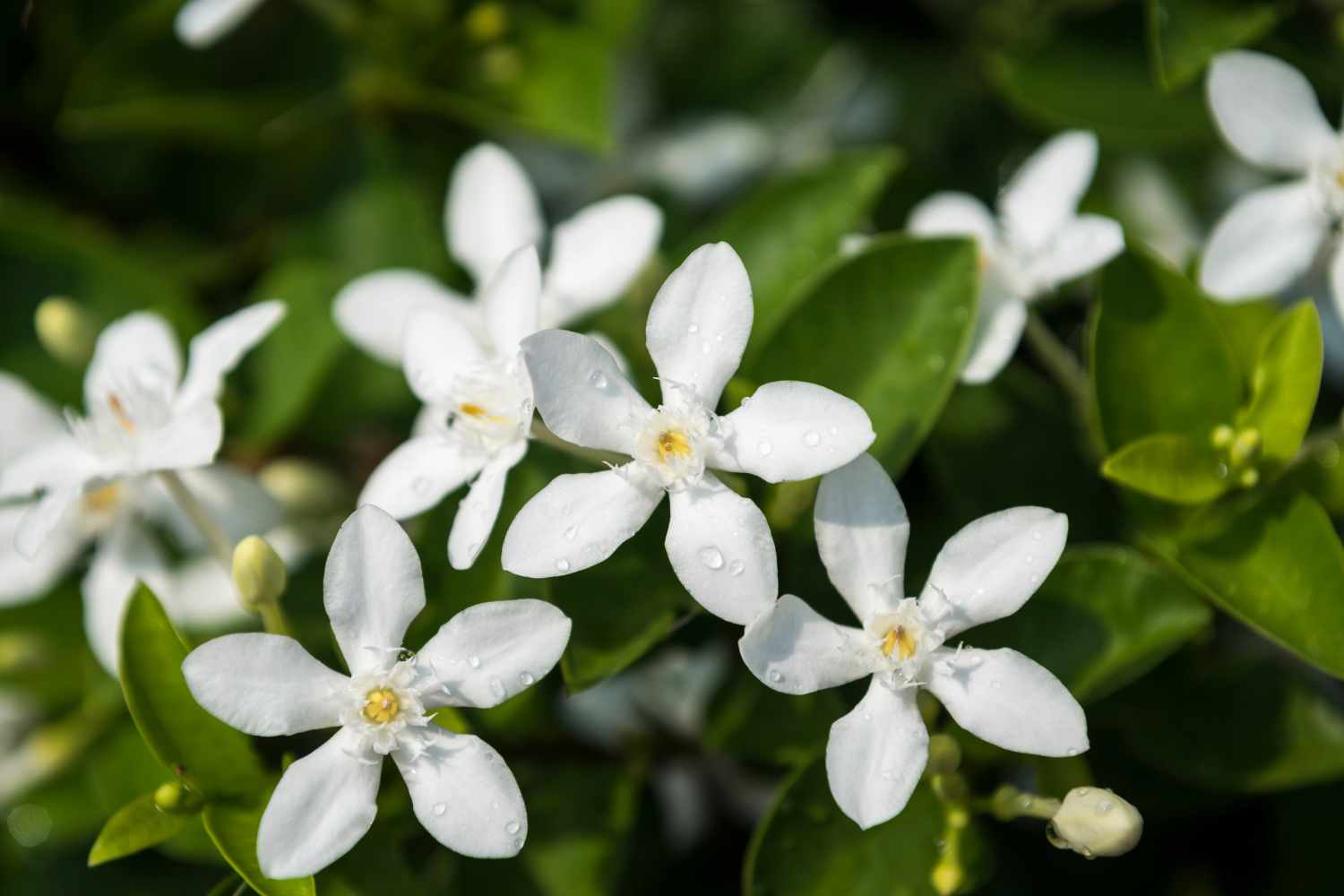
Among the house plants most appreciated for its scent, jasmine (Jasminum polyanthum) stands out, a variety that has always been much loved. The delicately pink buds open into star-shaped white flowers, spreading an intense and pleasant aroma. It is a climbing plant and some resistant species also find space outdoors. In areas with a mild climate, after winter flowering it can be transferred to the garden, choosing a warm wall well exposed to the south.
Amaryllis
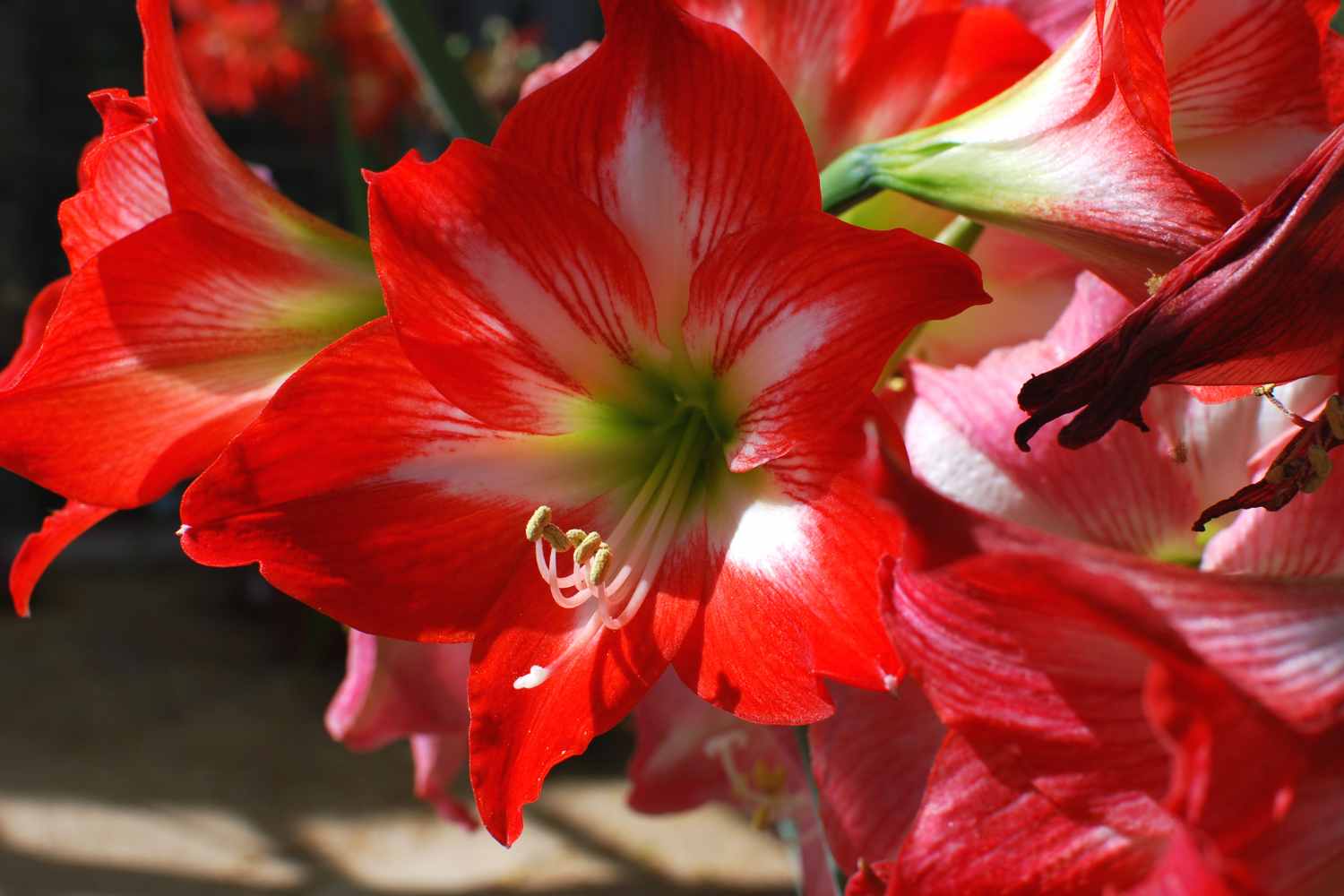
Also known as Hippeastrum, amaryllis is one of the most spectacular flowering plants to grow at home. The large inflorescences, available in shades of red, pink, white or with green shades, make it a classic Christmas gift. Being a bulbous plant, it goes through a summer rest phase, and then resumes growth in autumn. During the vegetative period it is advisable to use a liquid fertilizer rich in potassium, such as that used for tomatoes, so as to encourage generous flowering.
Cyclamen
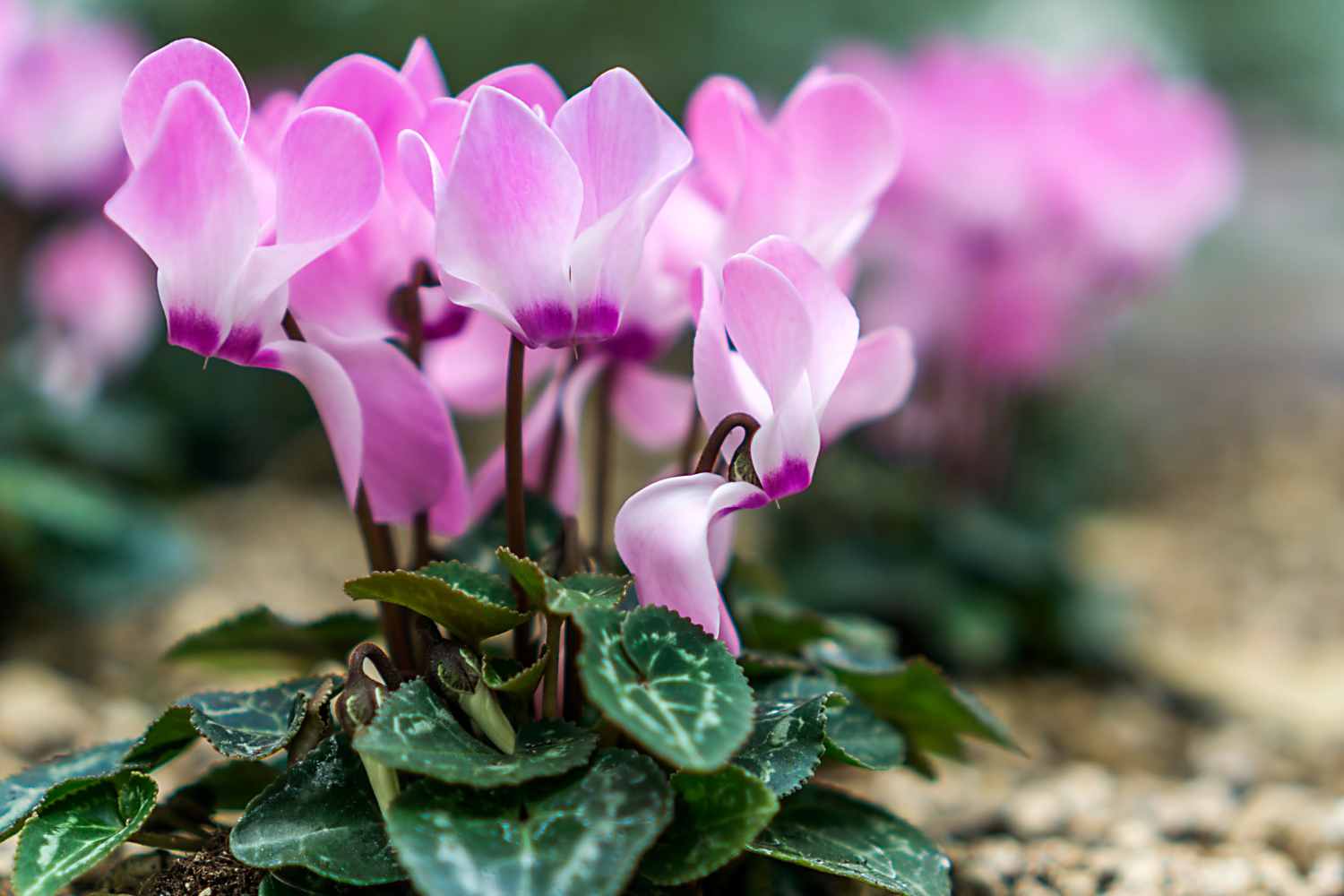
The indoor cyclamen, belonging to the Cyclamen persicum cultivars, is one of the great protagonists of winter. It is available in many colors and some varieties have finely fringed petals. Watering requires attention: water must be administered from the base, avoiding excesses which can cause the usual rot. With the right care, the cyclamen can bloom again year after year, as long as you respect the summer rest period by keeping the soil dry before resuming watering at the beginning of autumn.
How to care for houseplants in winter
During the cold months, indoor plants require less intervention than in the hot season. Watering must be sporadic and fertilization is often superfluous. Some precautions help keep the plants in good health until spring.
According to the RHS gardening consultants, the first mistake to avoid concerns excess water. With lower temperatures and reduced light, growth slows and water needs decrease. In pots placed in decorative pot covers it is important to eliminate excess water a few minutes after watering.
Another aspect to consider concerns humidity. Home heating tends to dry the air, creating unfavorable conditions for some species. Ferns, plants with thin foliage such as calathea and arrowroot, as well as orchids, benefit from the presence of trays with pebbles and water or from being arranged in groups, so as to share humidity.
Light, as always, plays a central role. In winter, moving plants to brighter areas helps compensate for the reduction in sun hours. Even a temporary location away from the darkest corners can make a difference during the most critical months.
Finally, beware of extreme temperatures. Proximity to radiators or fireplaces can damage the most delicate leaves, while the cold on windowsills or behind curtains can be equally risky. Orchids, in particular, suffer from temperature changes: temperatures that are too low can cause the buds to fall. A sheltered position, away from drafts, remains the best choice.
What is the Royal Horticultural Society
The Royal Horticultural Society was founded in the United Kingdom in 1804 under the name of the Horticultural Society of London and assumed its current name in 1864, following the granting of a Royal Charter. Today it is one of the world’s most authoritative institutions in the field of horticulture and the main British non-profit organization dedicated to gardening.
The RHS manages four gardens open to the public in different areas of England: Wisley in Surrey, Rosemoor in Devon, Hyde Hall in Essex and Harlow Carr in North Yorkshire. It also organizes some of the world’s most celebrated and long-running flower shows, including the Chelsea Flower Show, which celebrated its centenary in 2013.
