
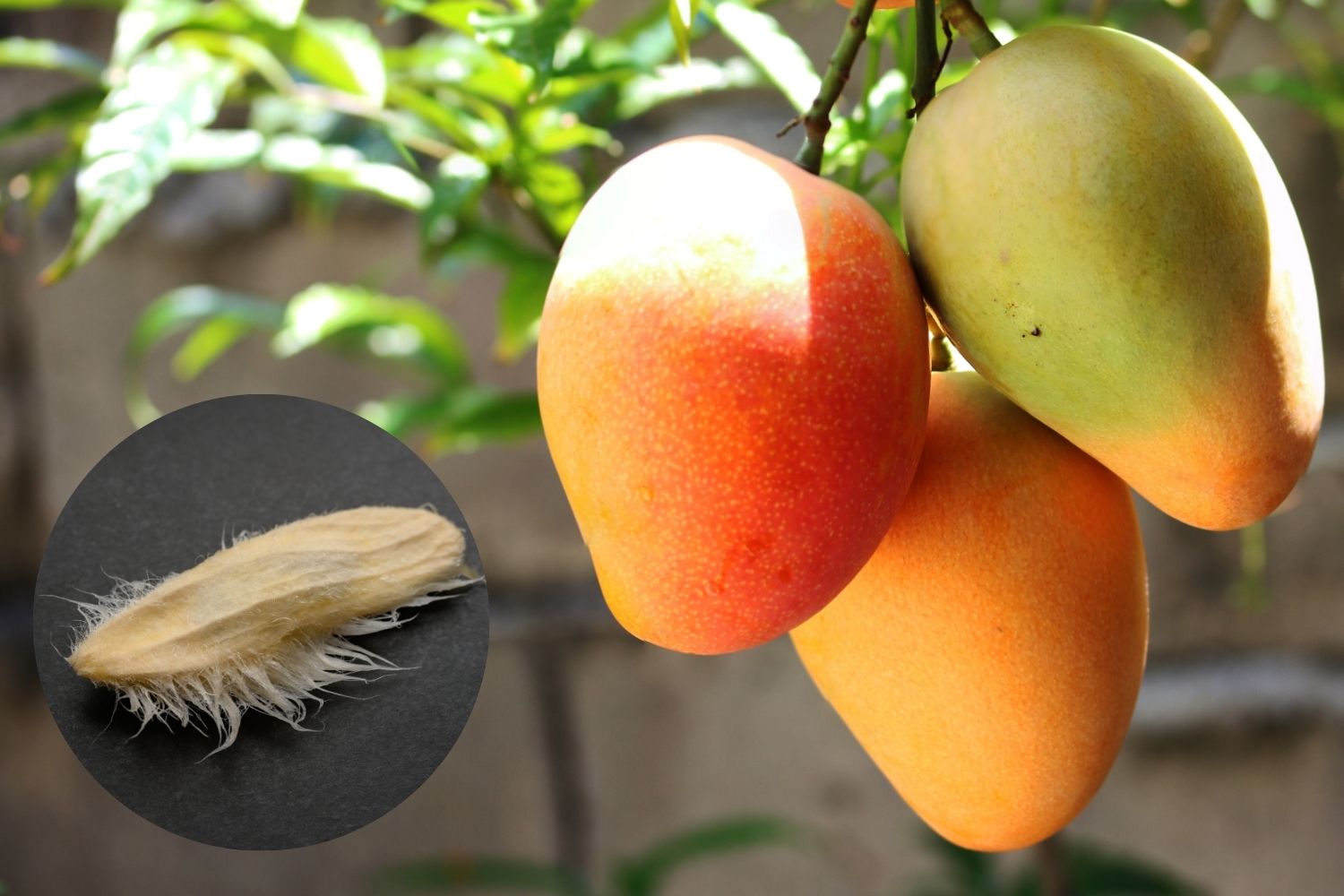
How many varieties of mango exist
There are several varieties of mangoes around the world. It is estimated that there are more than 1,000 varieties of mango grown across the globe. However, some of the most common and well-known varieties include Alphonso, Kent, Tommy Atkins, Keitt, Haden, Ataulfo (or Honey mango), Francis, Valencia Pride and Manila. These varieties may differ in size, shape, skin color, sweetness, flavor and fruiting period.
When to sow mango
The warmer seasons, spring and summer, are the most suitable for sowing. The mango tree that will emerge will have to be sheltered from the cold during the winter by placing it indoors, as happens in the case of lemon plants.
How to grow mango
To proceed with growing mango in pots you will need:
Keep the stone
@123rf
The seed to be planted will be extracted from the mango fruit. So, in case you have the opportunity to taste a mango fruit, remember to keep its stone aside. At this point you will have to proceed by cleaning the stone of all its pulp and rinsing it under the tap to complete its cleaning, removing any residue.
Extract the mango seed from the stone
Now you will have to try to open the external part of the stone so that you can extract the actual seed to be used from it. The operation may require several attempts and a little strength. Little by little you should be able to obtain a crack that will allow you to open the external shell and extract the seed located inside it. The size of the seed can vary depending on the size of the fruit.
Mango seed germination
@123rf
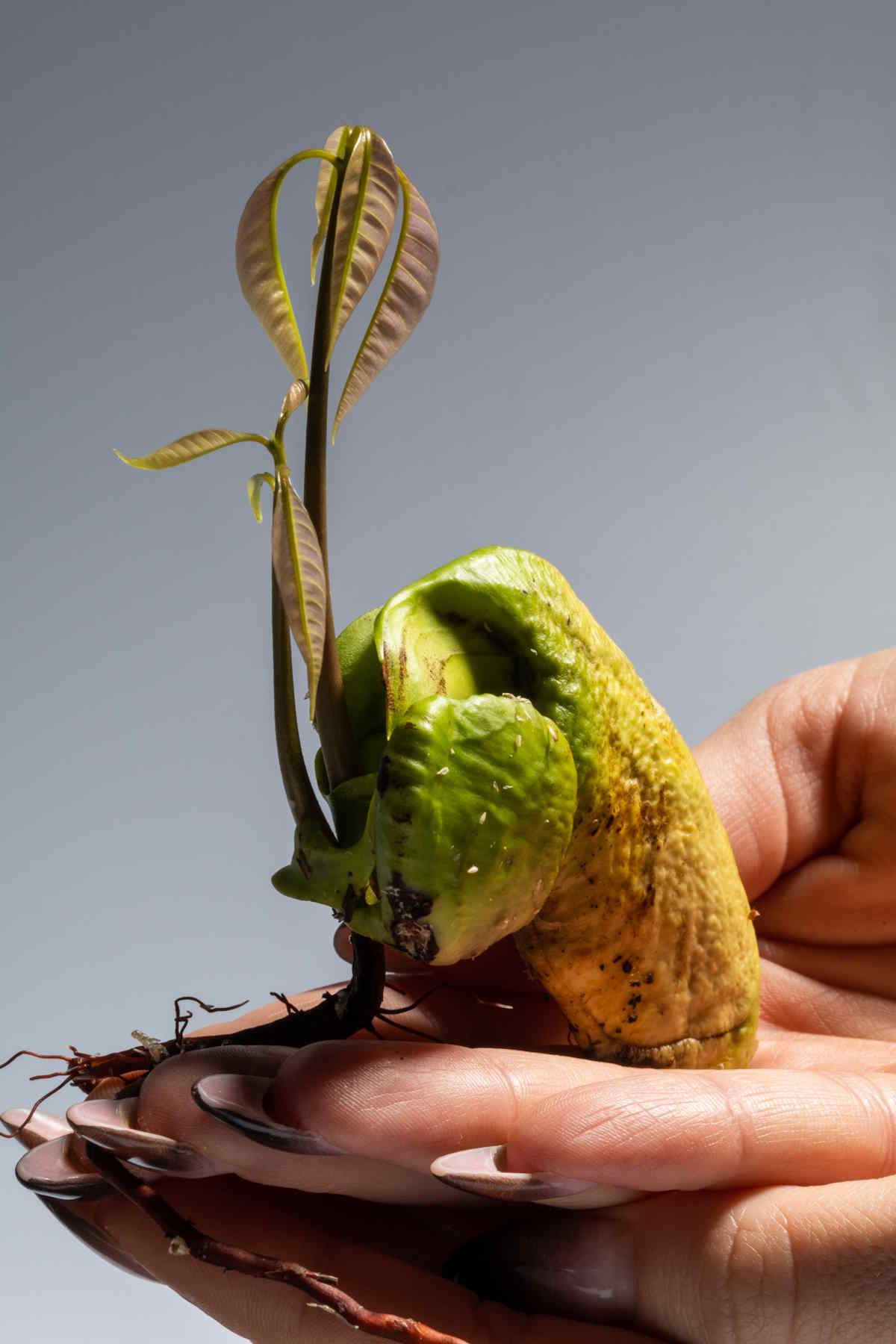
You will therefore have reached the phase in which it is necessary to take care of the germination of the seed. Once your seed has been extracted from the shell, moisten a paper towel, place the seed on half of it and wrap it with the remaining part of the napkin. At this point it is necessary to place the seed wrapped in the damp napkin in a waterproof and transparent bag. For example, you could use one of those bags suitable for food, suitable for storing food in the freezer. In each bag it is possible to insert one or two seeds. You will therefore have to inflate and close the bag, and then place it next to a window, in a well-lit area.
How to plant mango seed
@123rf
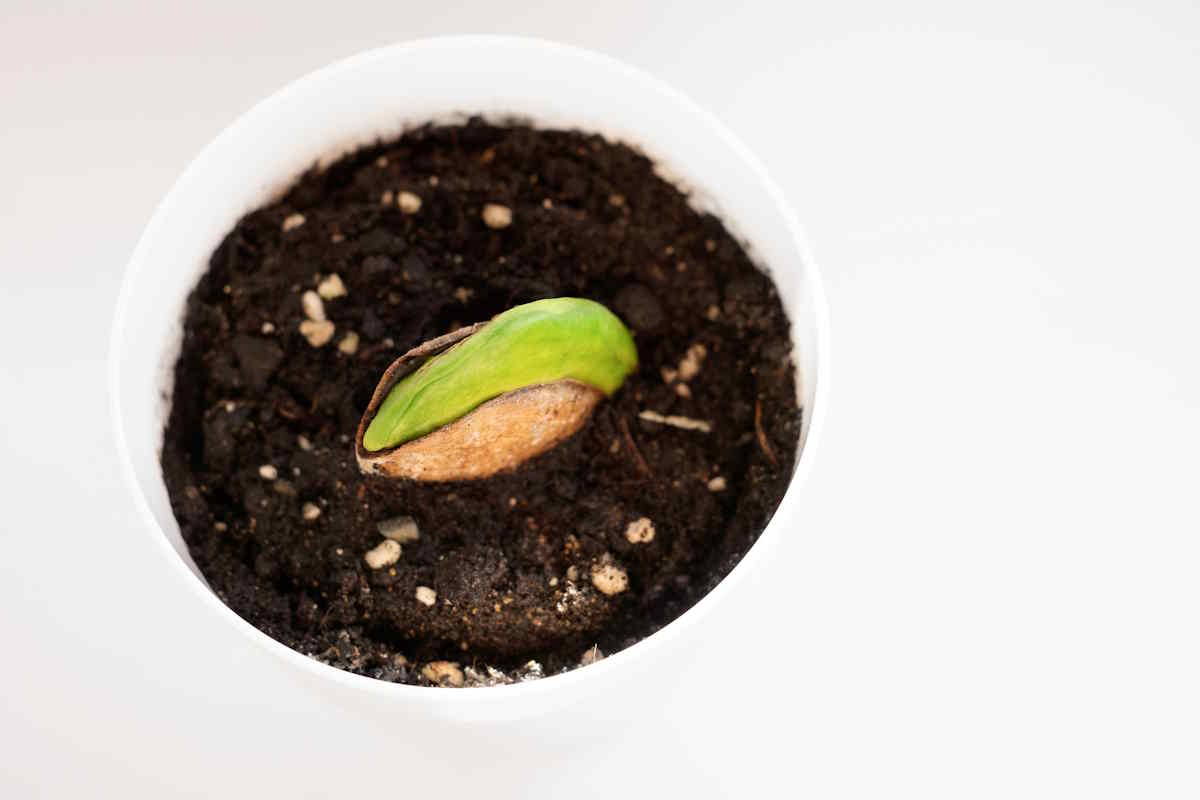
Before you can plant the seed in a pot with soil, it must germinate. This may take a couple of weeks. The plastic bag will need to be opened and the napkin removed from the mango seed. If mold has formed, the seed will have to be thrown away. If the seed is in good condition, transfer it to a pot full of soil, enriched with homemade compost, taking care not to damage shoots and roots. Water often and place the pot in full sun. To obtain fruit, it is recommended to carry out a graft. If in doubt about this, it is best to contact a specialized nursery. From the simple growth of the plant from the seed you will still get great satisfaction.
Where to plant mango
@123rf
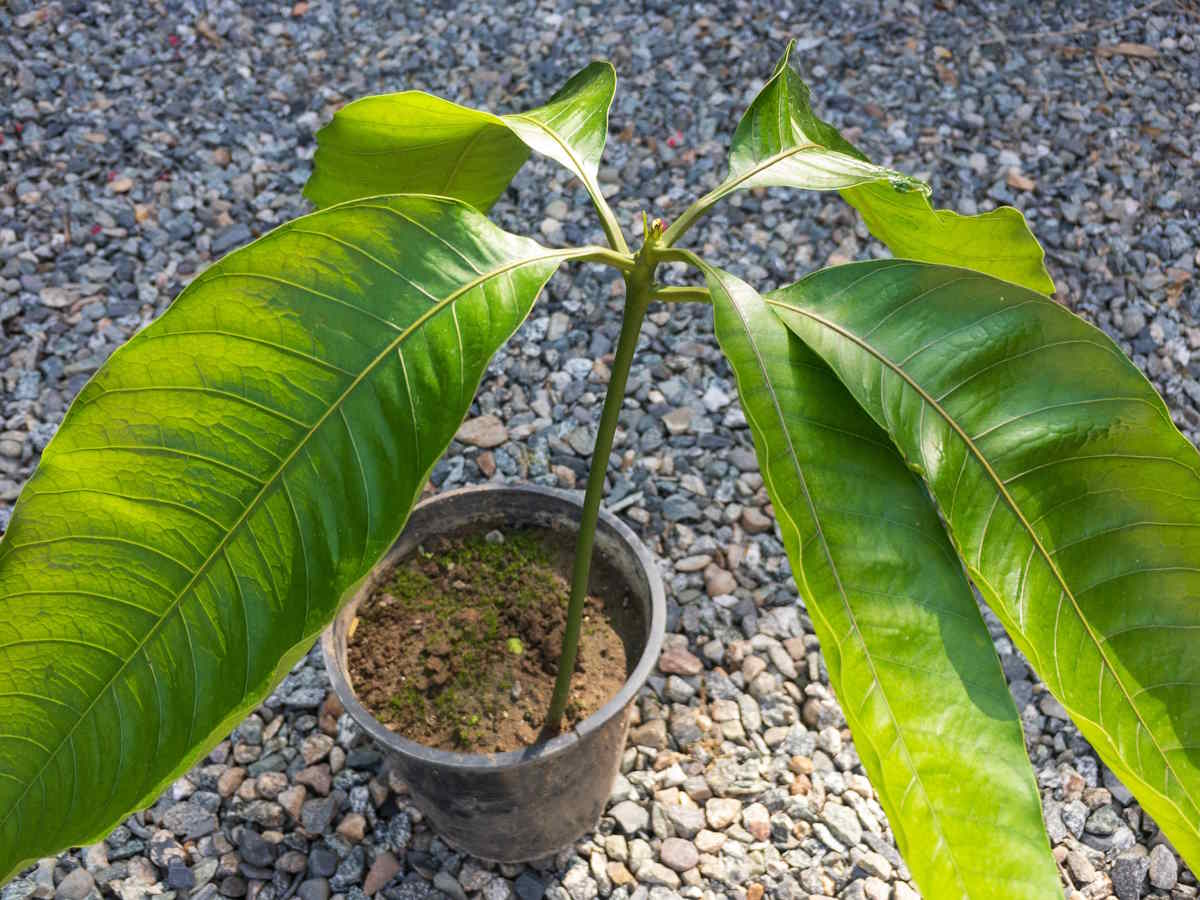
For mangoes to thrive, it is critical to select a location that offers plenty of sun exposure. This plant requires many hours of direct sunlight, so be sure to choose a location where it can benefit from strong sunlight. Additionally, mango requires high temperatures to grow optimally, so it is best to grow it in a warm, humid environment.
How often to water the mango
Mango requires a significant amount of water, especially during its growing period. Be sure to provide regular watering to the plant and keep the soil from drying out completely. However, it is important to be careful not to overwater, as the mango can be negatively affected.
How and when to prune mangoes
Pruning plays a crucial role in preserving the shape and health of the plant. It is essential to remove dead or damaged branches and control excessive growth. Mid-April represents the optimal time to carry out pruning, as it allows you to take full advantage of the spring season for the growth of branches and the summer season to encourage fruiting.
What are the diseases and parasites that can attack mangoes
Mango can be subject to attack by common insects such as scale insects, aphids and mites. Signs of an infestation may include the presence of tiny webs on plants, buildups of white powdery residue, or the visibility of the insects themselves. It is important to treat infestations promptly to prevent them from spreading to other crops.
As usual, it is advisable to start with less toxic treatment options, only moving to stronger chemicals if initial efforts are unsuccessful.
Mango plants are susceptible to anthracnose, a fungal disease that causes black lesions that gradually spread.
Severely infected trees stop producing fruit, and the best preventative measure is to plant a resistant variety in an area exposed to full sun, so that the moisture evaporates quickly. Copper-based fungicides can sometimes be effective against anthracnose on mango trees, but should not be used within 14 days of scheduled fruit harvest.
How long does it take for a mango plant to bear fruit
The fruiting process of mango takes a period of time of approximately 3-5 years. The season in which the plant produces its fruit can vary depending on the variety and the climate. Typically, mangoes begin fruiting during the summer, with harvesting occurring in the fall.
What is the sweetest mango
Among the sweetest mangoes we can include the Alphonso Mango, it originates from India and is considered one of the best in terms of flavor. It has a sweet, creamy pulp with a rich aroma. The Kent mango is native to Florida and is highly prized for its sweet, juicy flavor. Its pulp is intense yellow in color and has a buttery consistency. The Tommy Atkins Mango common in the United States is known for its durability and resistance to transportation. Although it is not the sweetest mango, it has a pleasant flavor and juicy pulp. The Ataulfo Mango is native to Mexico and has golden, creamy pulp with a sweet, buttery flavor. It is highly appreciated for its soft texture and intense flavor. And finally the Keitt Mango which has a sweet and slightly acidic flavour. It has a green and fibrous pulp and can be consumed even when it is not completely ripe.
Where mango is grown in Italy
Mango, as mentioned before, prefers a very hot climate, therefore in Italy it is grown especially in Sicily, Calabria and Sardinia.
How to tell if a mango is ripe
Recognizing the right level of ripeness is essential to enjoying mango at its best. Contrary to popular belief, the color of the peel is not always a reliable indicator, as it varies greatly depending on the variety. The most effective method is to gently press the fruit with your fingers: if it gives slightly, as a ripe avocado would, it is ready to eat. The sense of smell also helps: a ripe mango releases a sweet and intense scent near the stem. If the fruit is still too firm, you can leave it at room temperature for a few days, perhaps wrapped in a sheet of newspaper to speed up ripening.
How to eat mango
To fully enjoy mango, the best way is to enjoy it as it is, savoring its unique flavor piece by piece. To start, it is advisable to wash the fruit thoroughly, especially if it is not of organic origin. Subsequently, you can proceed by peeling the mango, dividing it into two parts and removing the stone (which can be kept for planting). After that, you can cut the mango into cubes or slices to eat directly or use to prepare a fruit salad or a mango smoothie. With mango it is also possible to make sweet recipes such as quinoa and mango pralines with chopped pistachios or it can be added to Indian lassi.
Nutritional properties of mango
In addition to its unmistakable flavor, mango is a particularly rich fruit from a nutritional point of view. It is a good source of vitamin C, vitamin A and fibre, and is also appreciated for its natural antioxidant content. A medium-sized fruit covers a large part of the daily requirement of vitamin C, contributing to the strengthening of the immune system. Thanks to its fiber intake, it also promotes intestinal regularity, while the low calorie content makes it a fruit also suitable for those who follow a controlled diet, always in moderation given its natural sweetness.
