
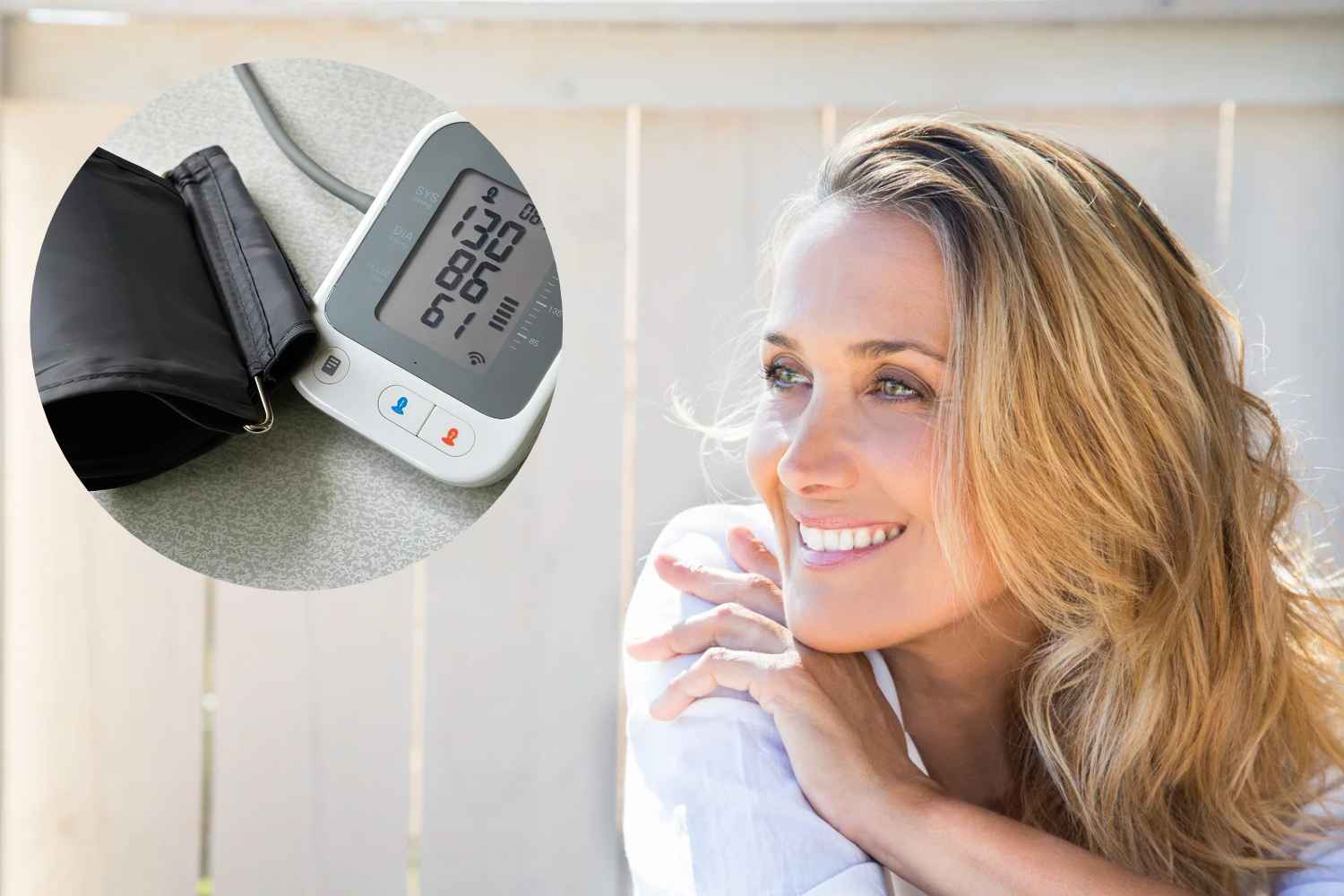
There are objects that we keep at home out of habit, others that we buy thinking they might come in handy sooner or later. And then there are some, often quite inexpensive, that can help us spot a health problem before it becomes serious. One of these, according to the British doctor Amir Khan, should find a place in the homes of those over the age of 35.
Dr Khan, well known in the UK for his appearances on the television programs Lorraine and This Morning, recently shared advice during an episode of the No Appointment Necessary podcast, dedicated to cardiovascular health.
Those over the age of 35 should consider purchasing a blood pressure monitor for use at home. A device that can cost a few tens of euros and which, according to the doctor, could even save your life.
The reason concerns an extremely widespread condition, capable of damaging the body for years before manifesting itself through recognizable symptoms: arterial hypertension.
View this post on Instagram
Why after the age of 35 we should check our blood pressure more often
Amir Khan’s advice arises from a characteristic of hypertension that makes it particularly insidious: high blood pressure can develop and progress without causing obvious problems.
During the podcast, the doctor called it a silent killer, explaining that many people only discover they have high blood pressure after developing cardiovascular, kidney or eye problems.
Hypertension, in fact, subjects the heart and blood vessels to greater strain. When this condition persists over time, it can contribute to damage to the arteries and increase the risk of heart attack, stroke, heart failure, kidney disease and vascular dementia.
The British National Health Service (NHS) also emphasizes that high blood pressure often presents asymptomatic symptoms and that measuring it is the easiest way to identify it.
For this reason, Khan advises people over the age of 35 to familiarize themselves with measuring blood pressure at home, even when they feel perfectly healthy.
According to the doctor, in the absence of particular problems, it may be useful to have a check-up every two weeks. A personal recommendation that must be distinguished from clinical indications: the ideal frequency of checks depends on blood pressure values, age, risk factors and any pathologies present.
The advice may be particularly interesting for those who have family members with hypertension, type 2 diabetes or a history of cardiovascular disease, even before the age of 35.
What are the pressure values to keep under control?
When we measure blood pressure, the device returns two numbers. The first indicates the systolic pressure, commonly called maximum, that is, the pressure exerted by the blood on the walls of the arteries when the heart contracts.
The second represents the diastolic, or minimum, pressure, which corresponds to the pressure in the arteries during the relaxation phase of the heart.
According to the 2024 guidelines of the European Society of Cardiology (ESC), the values used to identify hypertension change slightly depending on where the measurement is taken.
These values must be interpreted in the individual clinical context. A single high measurement, perhaps after physical effort, a moment of agitation or a sleepless night, represents a data point to verify.
It is the persistence of high values, observed through repeated and correctly performed measurements, that provides more reliable information.
How to correctly measure blood pressure at home
@123rf.cojm
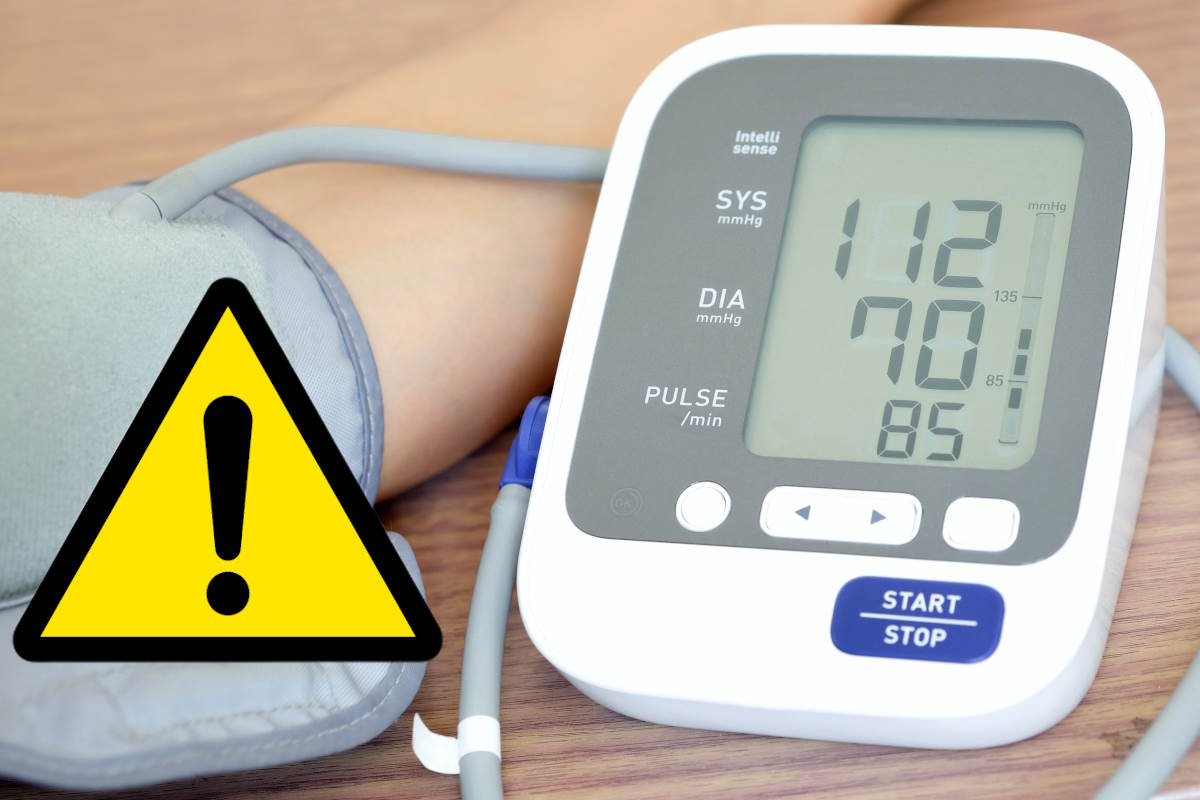
Owning a meter is helpful, but knowing how to use it is equally important. An incorrect arm position, a conversation during the measurement or a cup of coffee you just drank can influence the result.
The indications of the European Society of Cardiology and the recommendations of the American Heart Association suggest some measures to obtain reliable values:
When it is necessary to evaluate a possible blood pressure problem, the ESC guidelines require measurements in the morning and evening, for at least three days and preferably for seven, subsequently calculating the average.
This is a procedure to be agreed with the doctor, who will be able to interpret the results and establish the possible need for further tests.
What to do if the pressure is too high?
The first tip is to avoid getting scared by a single high reading. Blood pressure varies naturally throughout the day, in response to physical activity, stress and other factors.
If the values are repeatedly higher than the recommended thresholds, it is advisable to contact your doctor, bringing the recorded measurements with you.
In some cases, 24-hour blood pressure monitoring, known as Holter pressure, may be indicated, which allows you to observe blood pressure trends during normal daily activities and sleep.
Particularly high values, around 180/120 mmHg or higher, require prompt medical evaluation. If they are accompanied by chest pain, difficulty breathing, sudden changes in vision, weakness or difficulty speaking, you should call 112 immediately.
Early diagnosis allows you to intervene before hypertension causes complications and to identify the most suitable therapeutic path.
High blood pressure: daily habits that help reduce it
Home monitoring represents a prevention tool, but cardiovascular health also depends on everyday habits.
According to the NHS, some lifestyle changes can help reduce blood pressure and, in certain situations, allow it to reach more favorable values
Among the most important habits we find a balanced diet, rich in fruit, vegetables, legumes and whole grains, together with reducing the consumption of salt and foods that contain high quantities of it.
Movement also plays a fundamental role: the recommendations include at least 150 minutes a week of moderate physical activity, such as brisk walking, cycling or swimming, adapting the intensity to your health conditions.
Added to these behaviors are maintaining an adequate weight, limiting alcohol, paying attention to excessive caffeine consumption and giving up smoking.
For some people, especially in the early stages of hypertension, these changes can produce significant improvements. In other cases it is necessary to combine them with drug therapy, to be followed according to the doctor’s instructions.
A small object that can make a difference
Dr. Amir Khan’s message is simple: taking a few minutes to understand your blood pressure can be an important investment in your future health.
The home meter allows you to observe the trend of values over time, recognize any anomalies and share useful information with your doctor.
The 35 year threshold indicated by Khan represents an invitation to prevention, rather than an age beyond which it is mandatory to purchase the device. Blood pressure checks are also important for younger people, especially when risk factors are present.
The real advantage lies in the possibility of identifying a problem while it is still silent, intervening to protect the heart, brain, kidneys and other organs over time.
After all, among the many technologies we use every day to monitor steps, sleep and physical activity, it might be worth dedicating a few minutes to an essential parameter such as blood pressure.
