
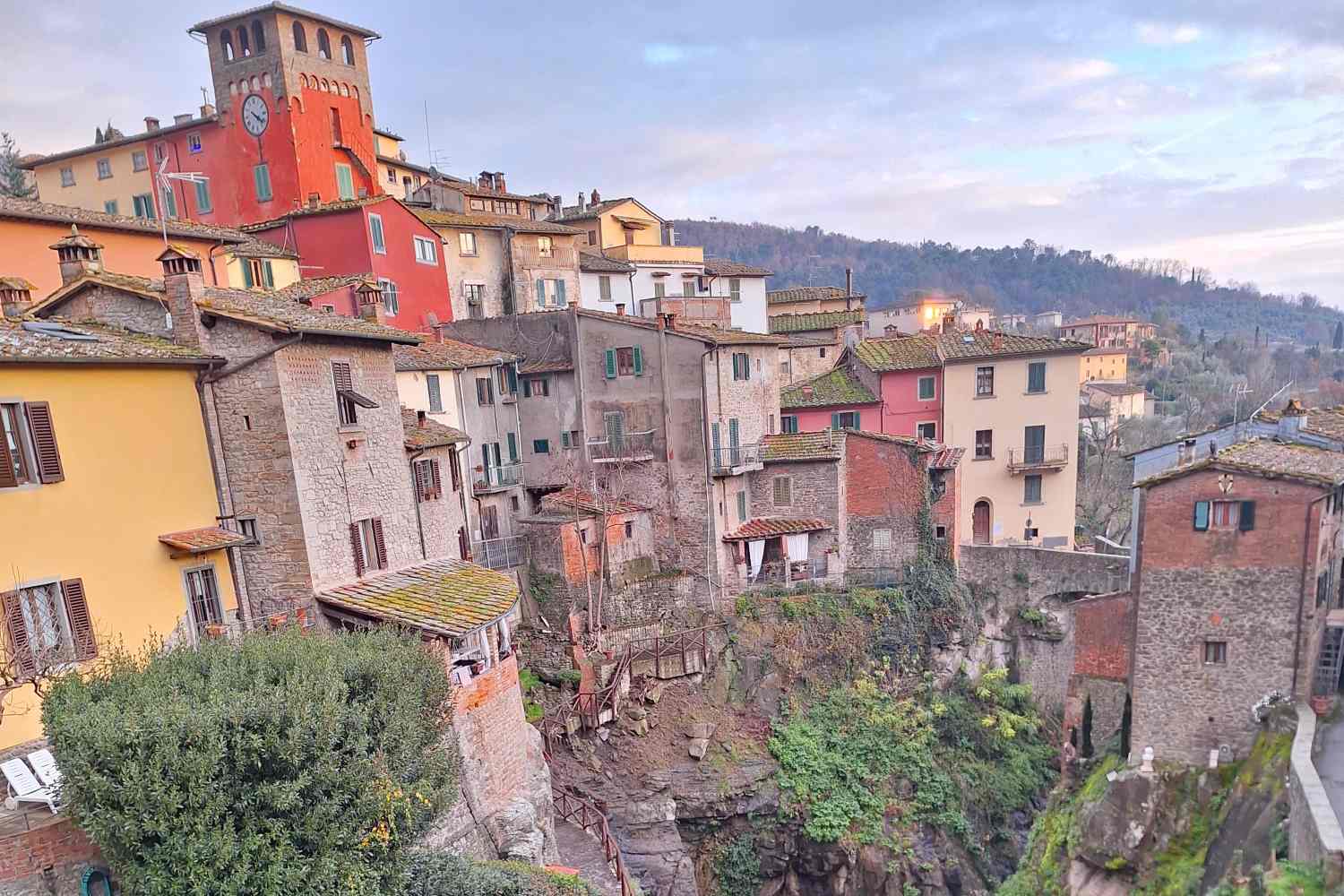
In our continuous wandering around the most beautiful villages in Italy, we decided to take the suggestive road of Via Setteponti to reach a pearl set in the Upper Valdarno, in Tuscany: the village of Lorociuffenna.
@RebeccaManzi/GreenMe
As soon as we arrived, the local toponymy immediately intrigued us: the name of the town derives from the union of the Latin word laurus (laurel) and the stream that splits the town in two, the Ciuffenna, a term derived from the ancient Roman name Clufenniuswhose roots lie directly in the Etruscan civilization. Walking towards the historic centre, we were fascinated by the perfect combination of nature and human ingenuity, with the Pratomagno mountain massif acting as a backdrop and the Arno river delimiting the horizon.
@RebeccaManzi/GreenMe
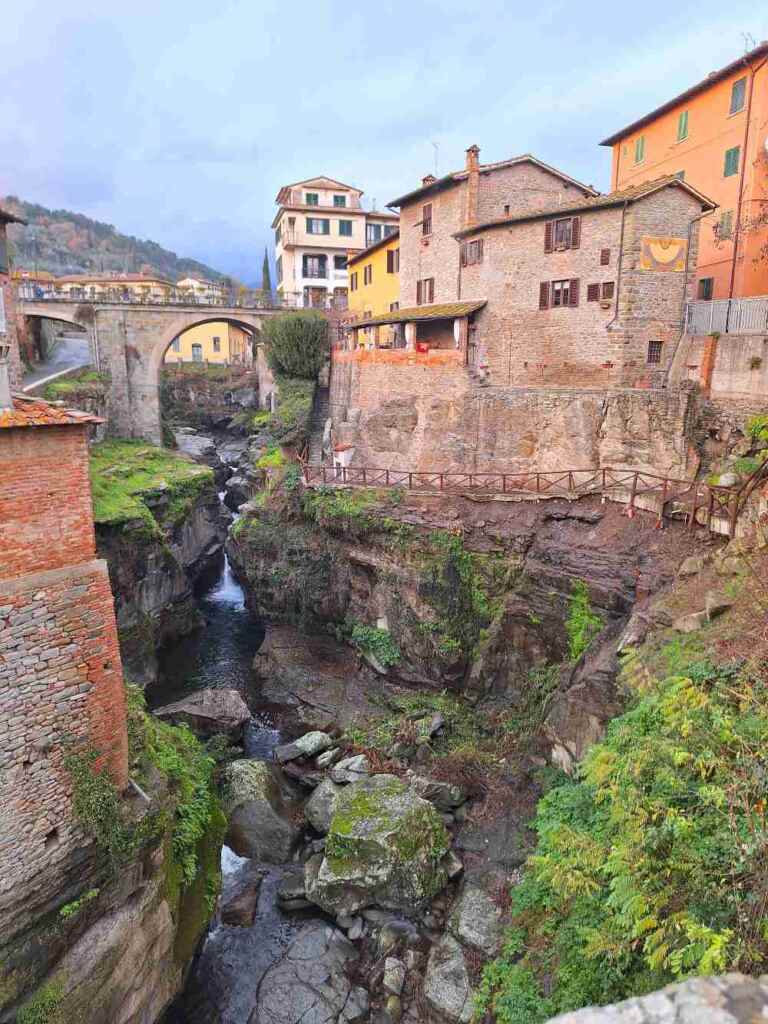
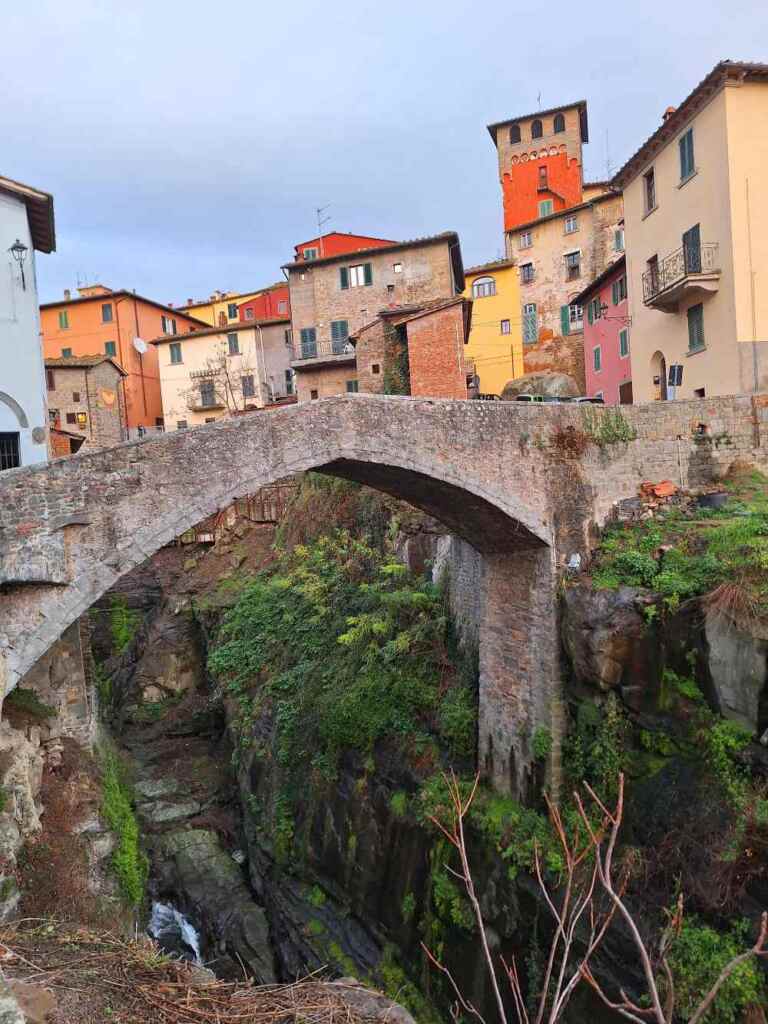
Our exploration on foot began from the magnificent and vertiginous old stone bridge, a structure of Roman origin re-adapted in medieval times, which crosses the deep gorge of the river with a single high arch. From this exact point, in past centuries, the original route of the consular road Cassia Vetus passed, the arterial road that connected the cities of Arezzo and Fiesole before touching the colony of Florence.
@RebeccaManzi/GreenMe
The twelfth century mill and the ancient feudal fortifications
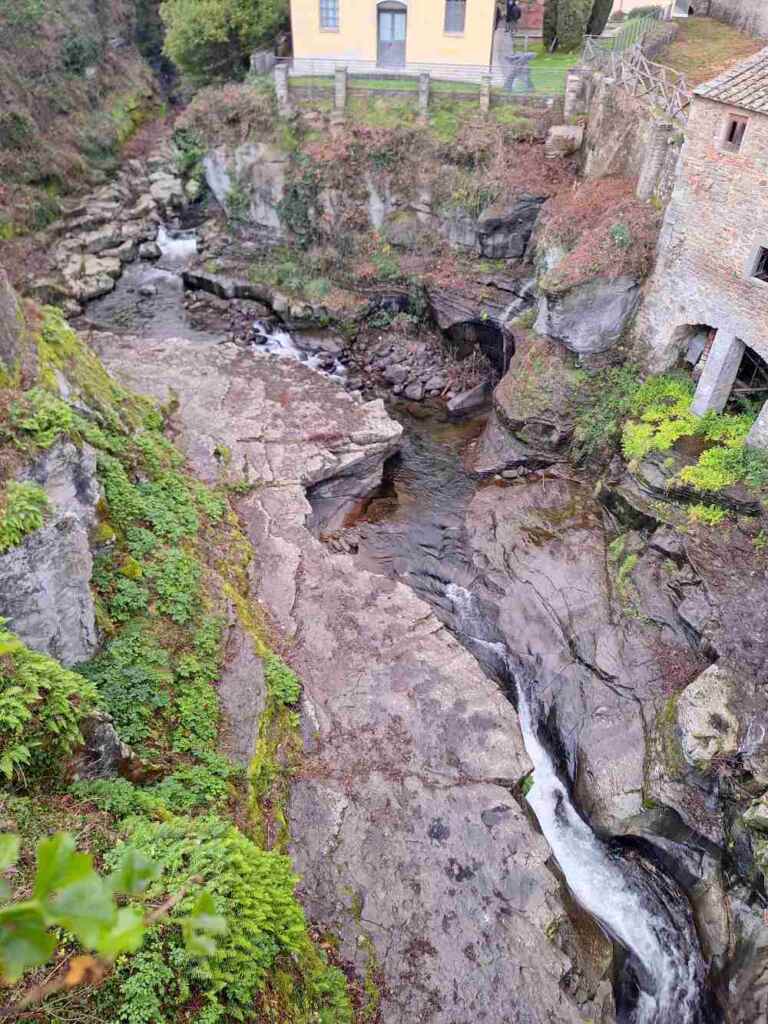
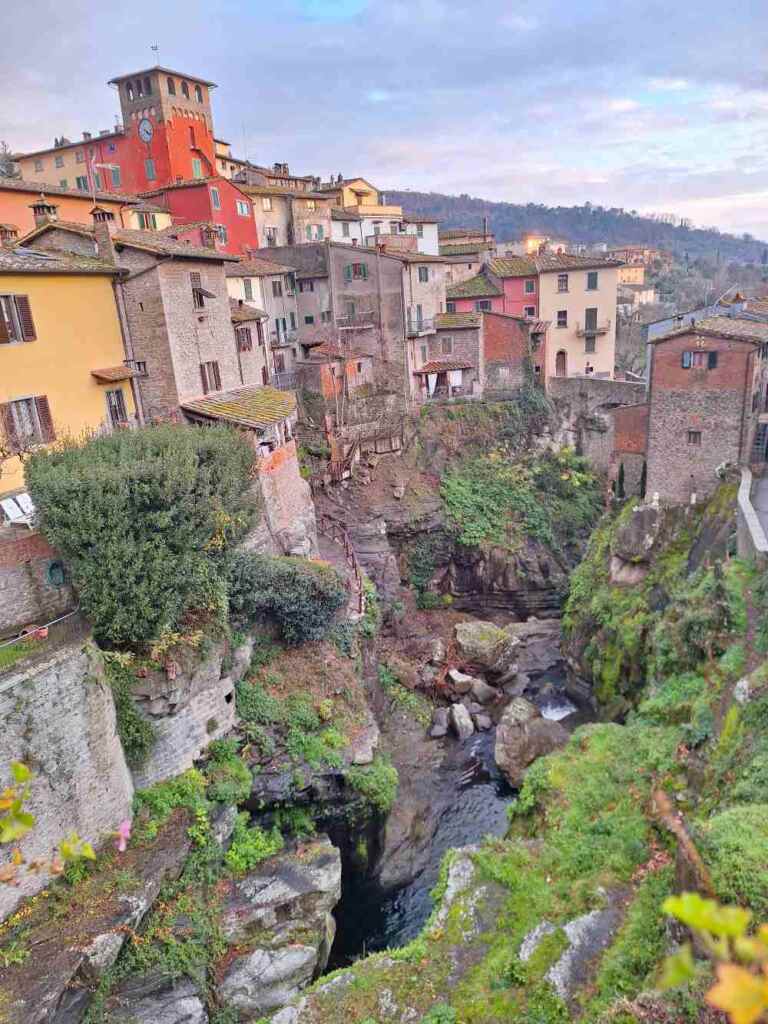
However, we found the real gem by looking out onto Piazza dello Scoglio, where the most famous attraction in the area is located. Built on a rocky spur in the center of the town around 1100, the old water mill of Lorociuffenna stands out, officially recognized as the oldest still active in the whole of Tuscany.
@RebeccaManzi/GreenMe
We watched the blades turn moved by the current of the stream, discovering that the structure is still used for the traditional grinding of chestnuts, the typical local product. Right nearby you can see the traces of the customs officer’s barracks and the suggestive agglomeration of the Fondaccio, a row of houses built above the old warehouses of the medieval merchants.
@RebeccaManzi/GreenMe
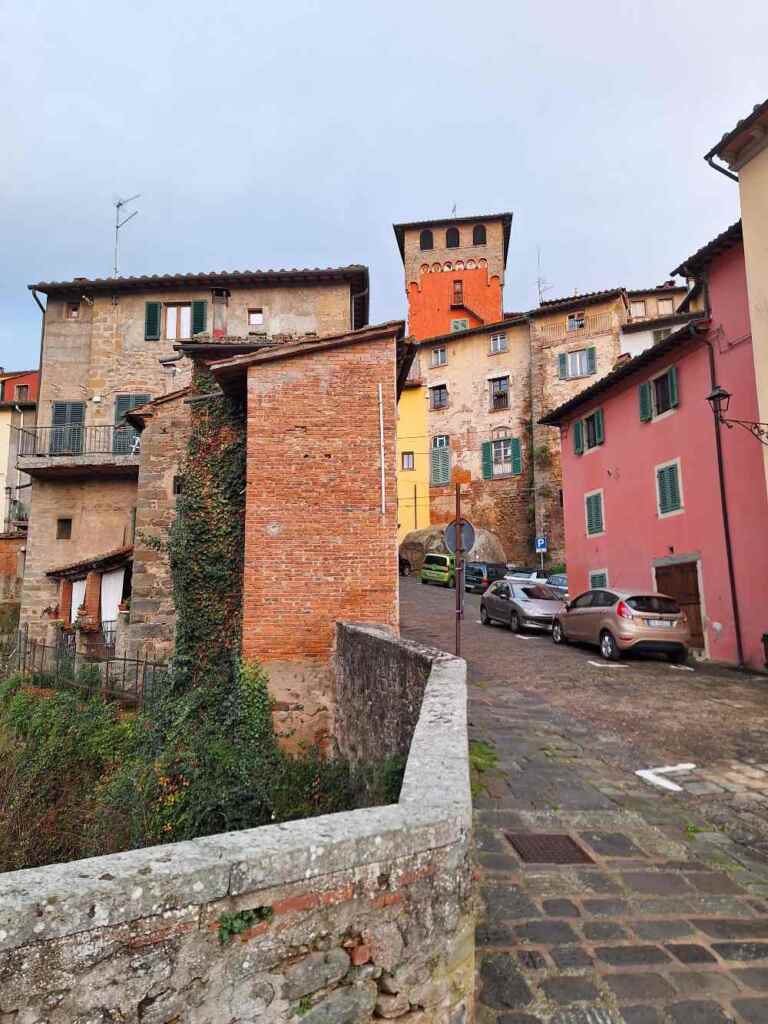
Continuing to climb the alleys, we looked for traces of the mighty fortress that defended the fiefdom. History tells us that the castle was mentioned for the first time ever in an archive document dated 1059, the year in which the Guidi counts decided to grant it as a sub-fiefdom to local nobles. The jurisdiction of the family remained intact until 1293, when the Municipality of Florence wrested control of these troubled lands to annex them to its own domains, subsequently leading to the birth of the community statutes of 1462. Much of the area of the fortress is now occupied by the parish church of Santa Maria Assunta, a building enlarged in the following centuries whose current baptismal chapel coincides exactly with the apse of the ancient original temple of the town.
@RebeccaManzi/GreenMe
The purple magic of Pratomagno
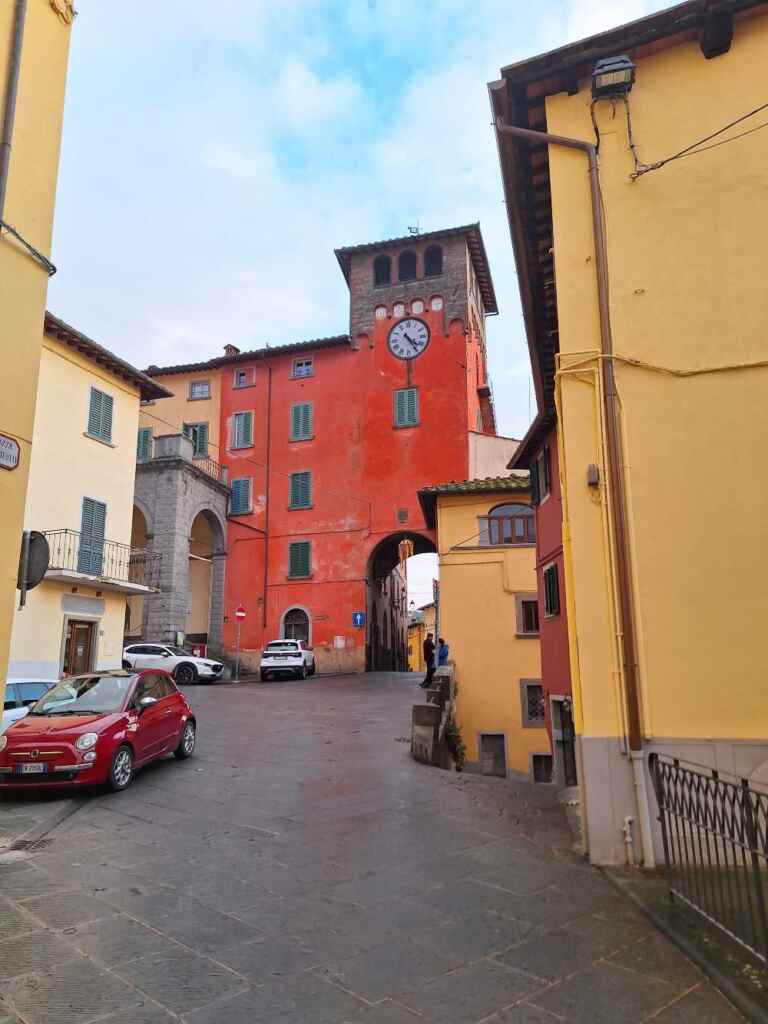
Before setting off again, we wanted to explore the naturalistic surroundings of the village to fully understand its rural soul. The hills surrounding the town are a riot of oak, chestnut and mountain pine forests, but the element that struck us most is the widespread cultivation of iris. The flowers of this plant paint the terraces with a splendid purple and reddish shade, and are still collected and hand-crafted by local artisans to be transformed into precious essences intended for high-end perfumery. It was the last, fragrant surprise of a perfect trip, punctuated by the chimes of the nineteenth-century civic tower that dominates the ancient gate of the town.
@RebeccaManzi/GreenMe
