
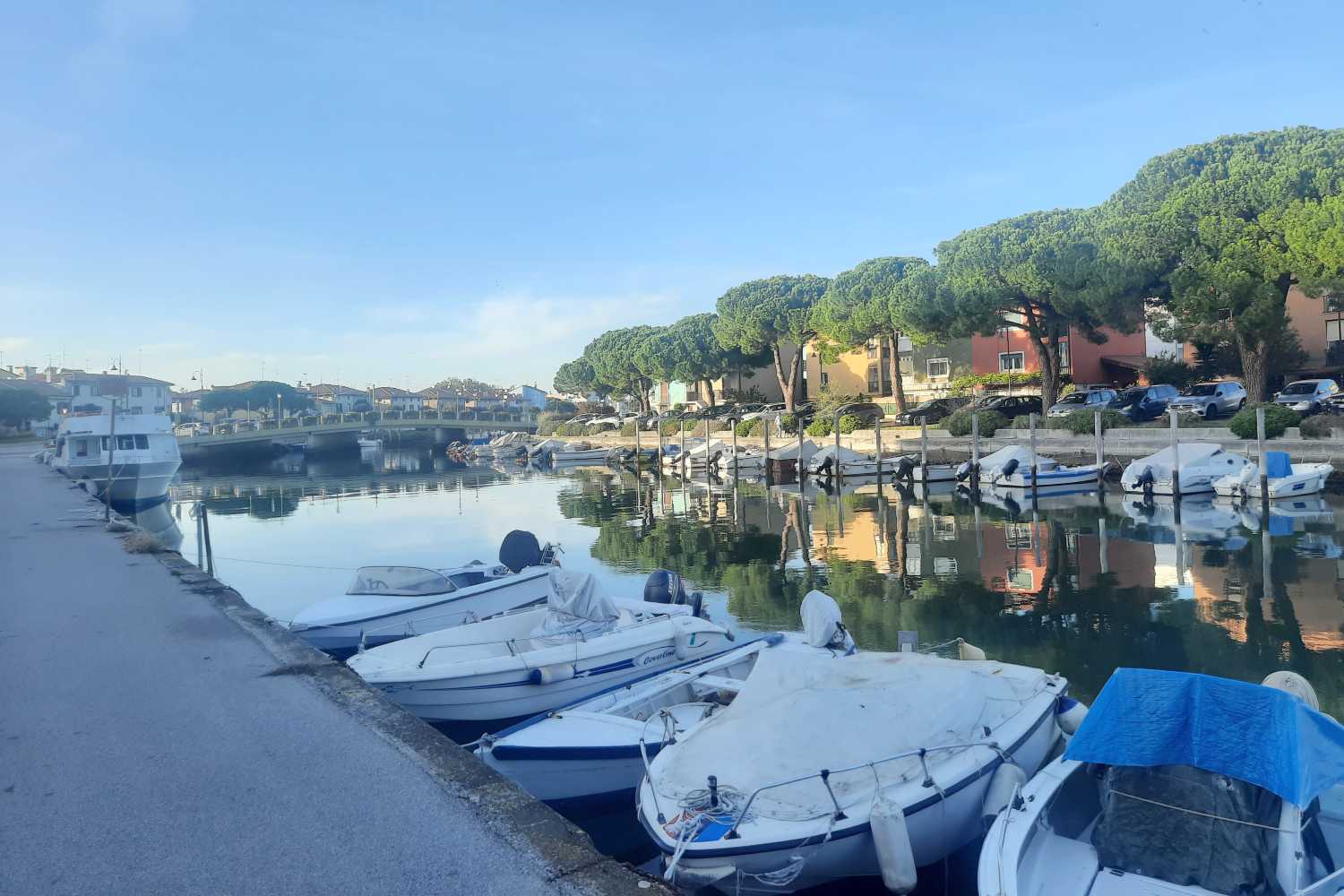
We visited Grado in late autumn, during a stay in Friuli, and fell in love with it instantly. Nicknamed the Island of the Sun, Grado welcomes visitors with a spectacular parade: to reach it you travel along a long panoramic bridge suspended over the water, flanked by a splendid cycle path.
@RebeccaManzi/GreenMe
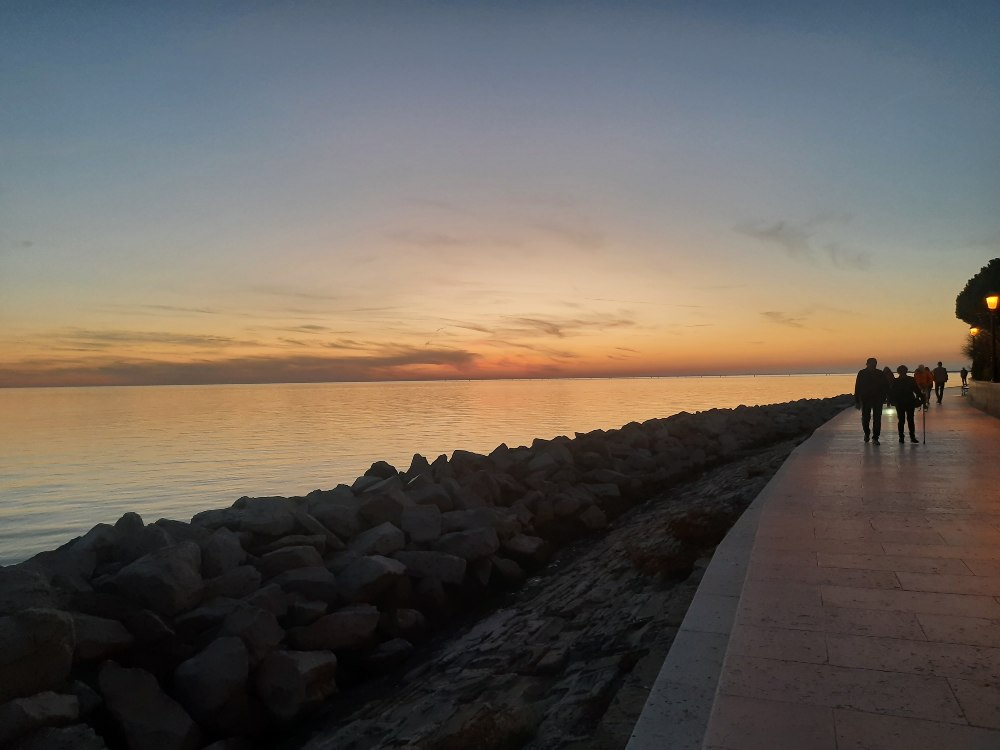
Our exploration began from the Nazario Sauro seafront, which the people of Grado affectionately call the dam. Built in the eighteenth century to defend the village from sea storms, today this stone walkway, about a kilometer long, connects the beach of Grado Vecchia to that of the French Riviera, offering a breathtaking view that gives goosebumps-like colors at sunset.
@RebeccaManzi/GreenMe
A journey through time among the early Christian basilicas of Campo dei Patriarchi
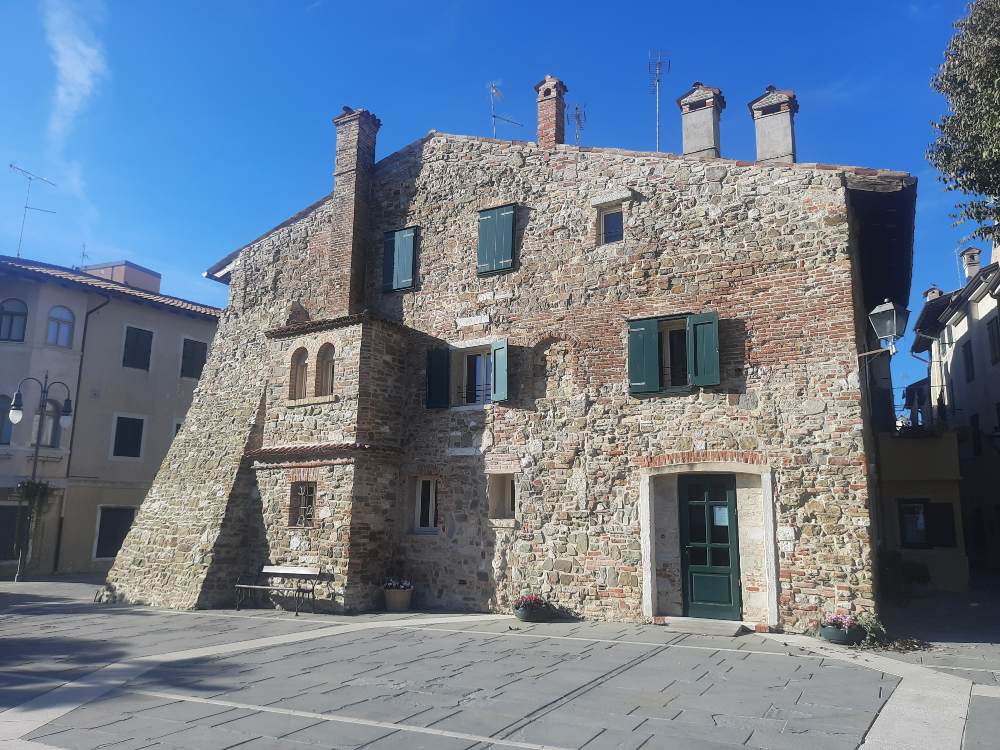
From the seafront we entered the heart of the historic center, a dense network of streets and squares reminiscent of Venice. In Piazza Biagio Marin we admired the open-air remains of the Basilica della Corte, whose early Christian mosaics are fenced off and suggestively illuminated in the evening. Next door stands the House of Music, a 6th century stone building which for a hundred years was the home of the local band.
@RebeccaManzi/GreenMe
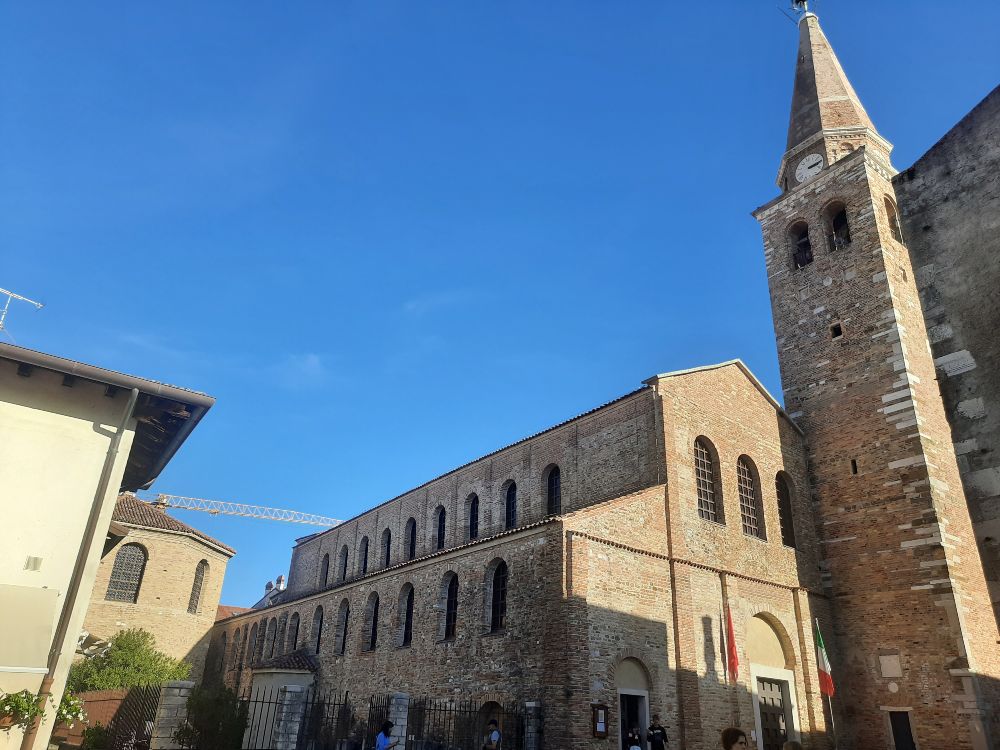
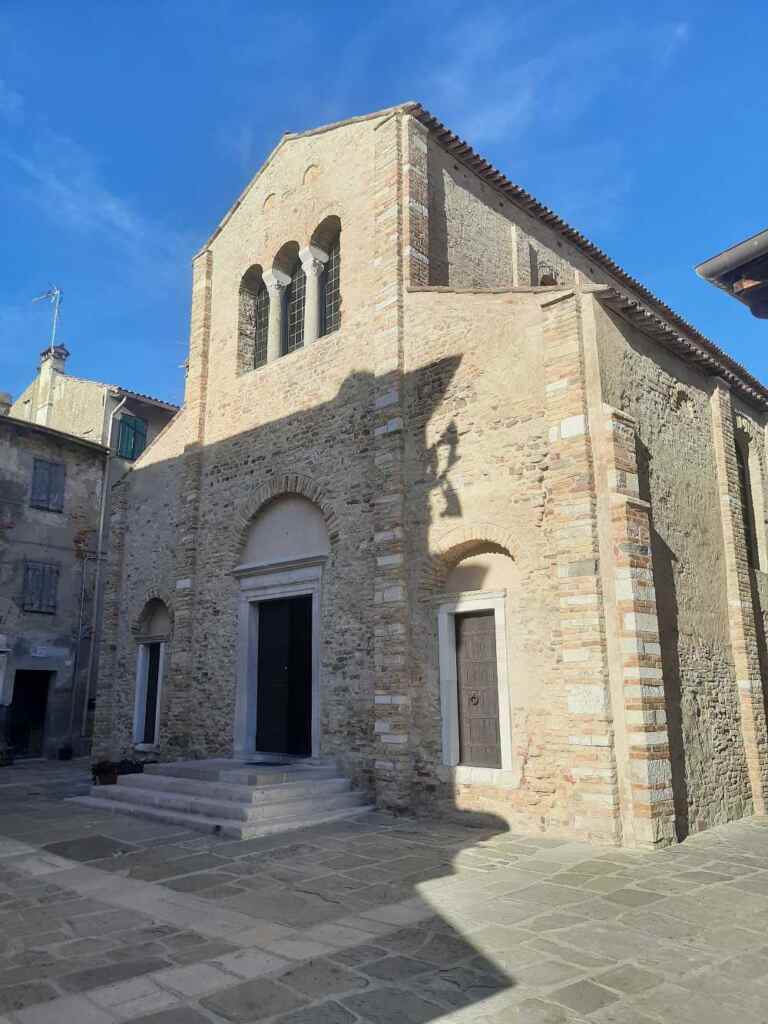
From via Gradenigo, the lively pedestrian street for shopping and aperitifs, we reached Campo dei Patriarchi. Here stands the majestic Basilica of Sant’Eufemia, completed in 579 by Bishop Elia. Inside it houses unique floor mosaics and a gilded silver altarpiece, while outside stands the 6th century octagonal Baptistery. A few steps away is the smaller Basilica of Santa Maria delle Grazie, where the double floor level shows the two construction phases of the 5th and 6th centuries.
@RebeccaManzi/GreenMe
@RebeccaManzi/GreenMe
A bridge towards the Isola della Schiusa: the neighborhood born from the lagoon
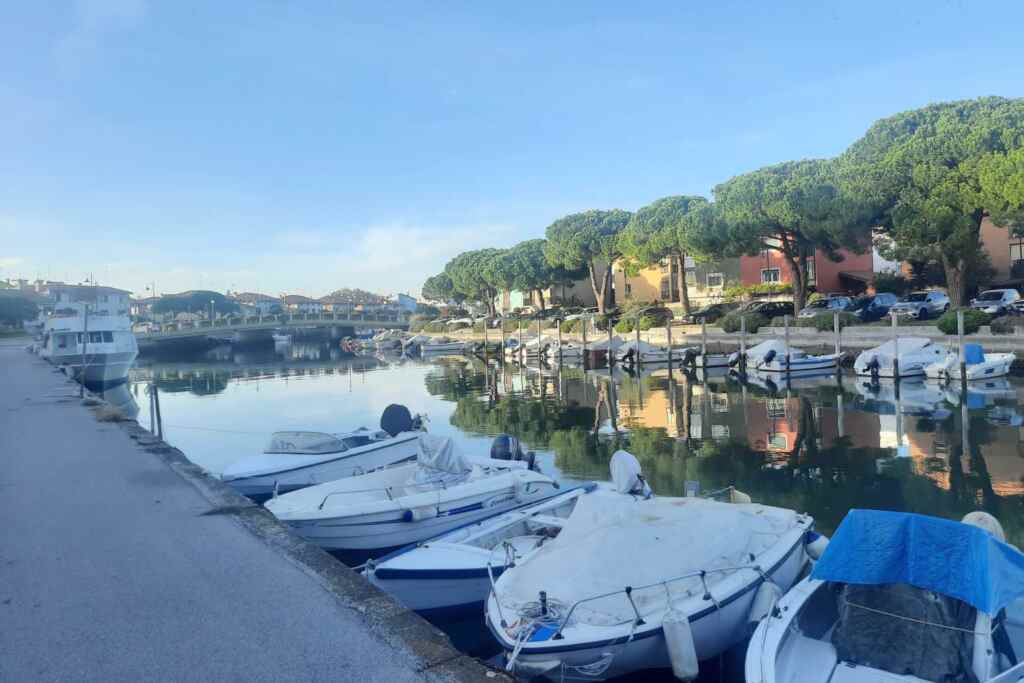
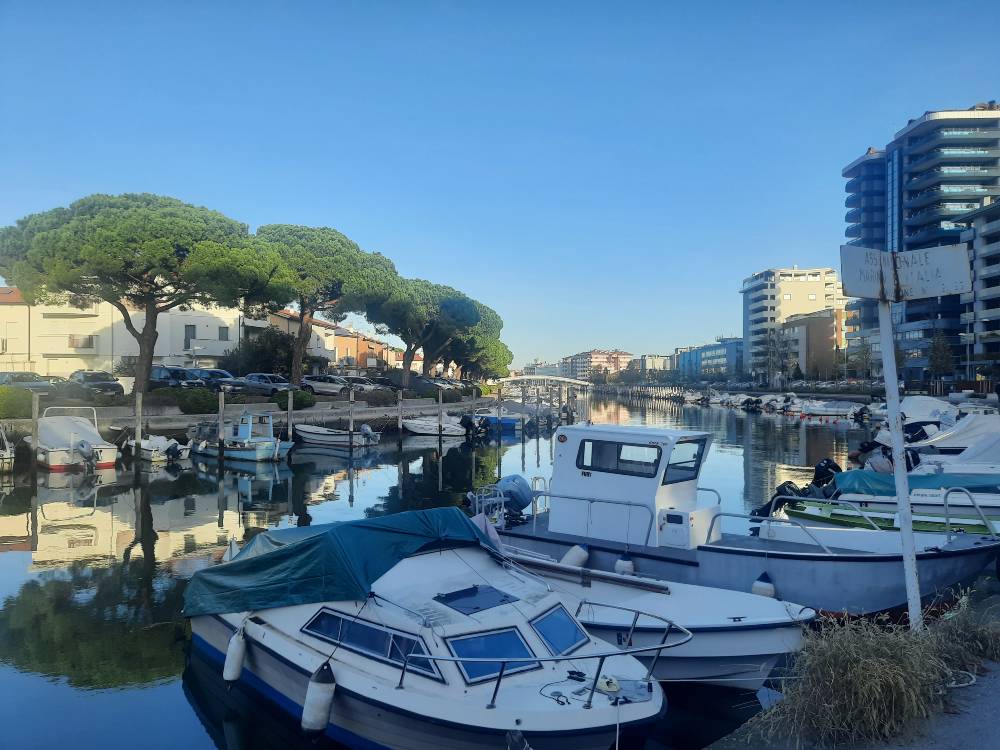
During our exploration of the historic center, we were fascinated by the Schiusa Canal, from which the ferry service to the Island of Barbana also departs. This canal delimits the Isola della Schiusa, a very active residential neighborhood which, incredibly, did not exist before 1957. This 17-hectare area was in fact reclaimed from the lagoon thanks to a major landfill project.
@RebeccaManzi/GreenMe
Today the island is connected to the rest of Grado by two passages: a vehicle bridge, which starts from the roundabout between Via Manzoni and Riva Scaramuzza, and the suggestive Egidio Bullesi pedestrian bridge, known as the “white bridge” and often decorated with splendid flowers. In addition to hosting the Sports Field and various school facilities, this area is very useful for travelers thanks to its large parking capacity.
@RebeccaManzi/GreenMe
The maritime soul of the Mandracchio port and the relaxation of Città Giardino
Our walk continued towards the old port, known as Porto Mandracchio. This basin has a characteristic Y shape designed by the Venetians and is the true living room on the sea of Grado, where fishing boats line up in an orderly manner in front of historic fish restaurants. From here we moved towards Grado Città Giardino, the area located on the opposite side of the historic center.
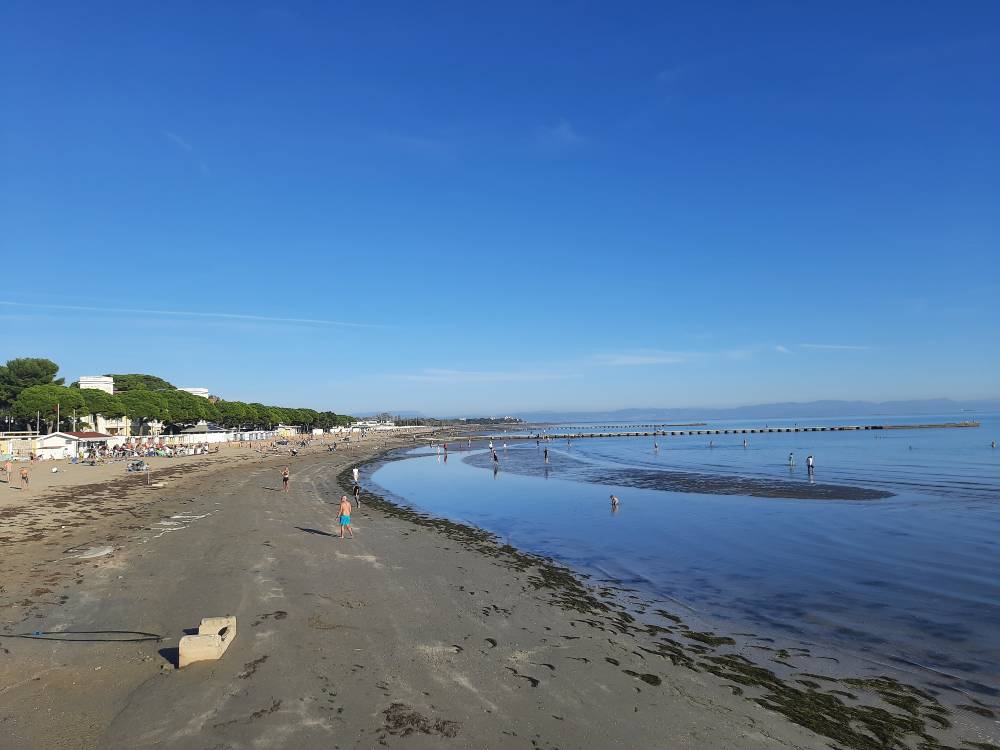
This neighbourhood, ideal for families and seniors, is home to the main beach of the island with renowned establishments, areas equipped for dogs and the famous Marine Spa. Active since the 19th century for the Habsburg aristocracy, today they offer thalassotherapy treatments and swimming pools heated with sea water at 31°C and 32°C. Finally, after a short stop on the beach with an unusually hot sun for the period, here we are off towards the next destination even if we left a little piece of our heart in Grado.
@RebeccaManzi/GreenMe
