
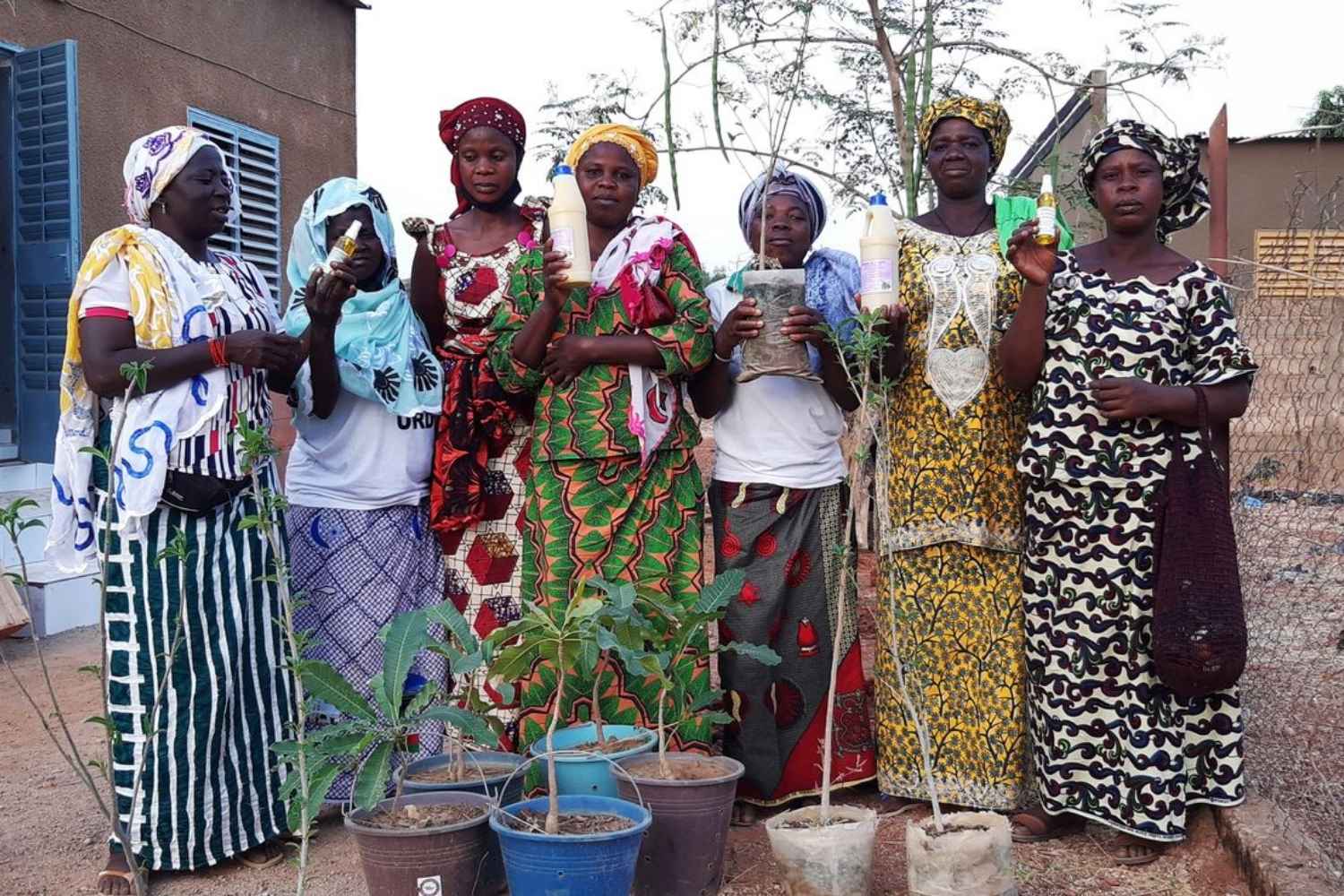
In one of the driest regions vulnerable to the climate crisis, planting trees means much more than providing greenery, shelter and cleaner air. It can mean guaranteeing a more nutritious meal for a child, offering a decent job and allowing an entire community to build a future. It happens in Burkina Faso, in the heart of the Sahel, where desertification, drought and land degradation put the survival of rural communities at risk. Here, thanks to a social reforestation project led by women, trees are becoming a concrete resource against poverty and malnutrition.
©WOWnature
The initiative, developed in the rural district of Garango and in the municipality of Boussouma by local agronomists with the support of WOWnature, a project of the spin-off of the University of Padua Etifor, has already made it possible to plant 9,500 native trees and protect 302 hectares of forest. But the most significant result goes beyond the reforestation numbers: it concerns the living conditions of the people who inhabit these territories.
©WOWnature
Moringa, baobab and shea: the trees that nourish communities
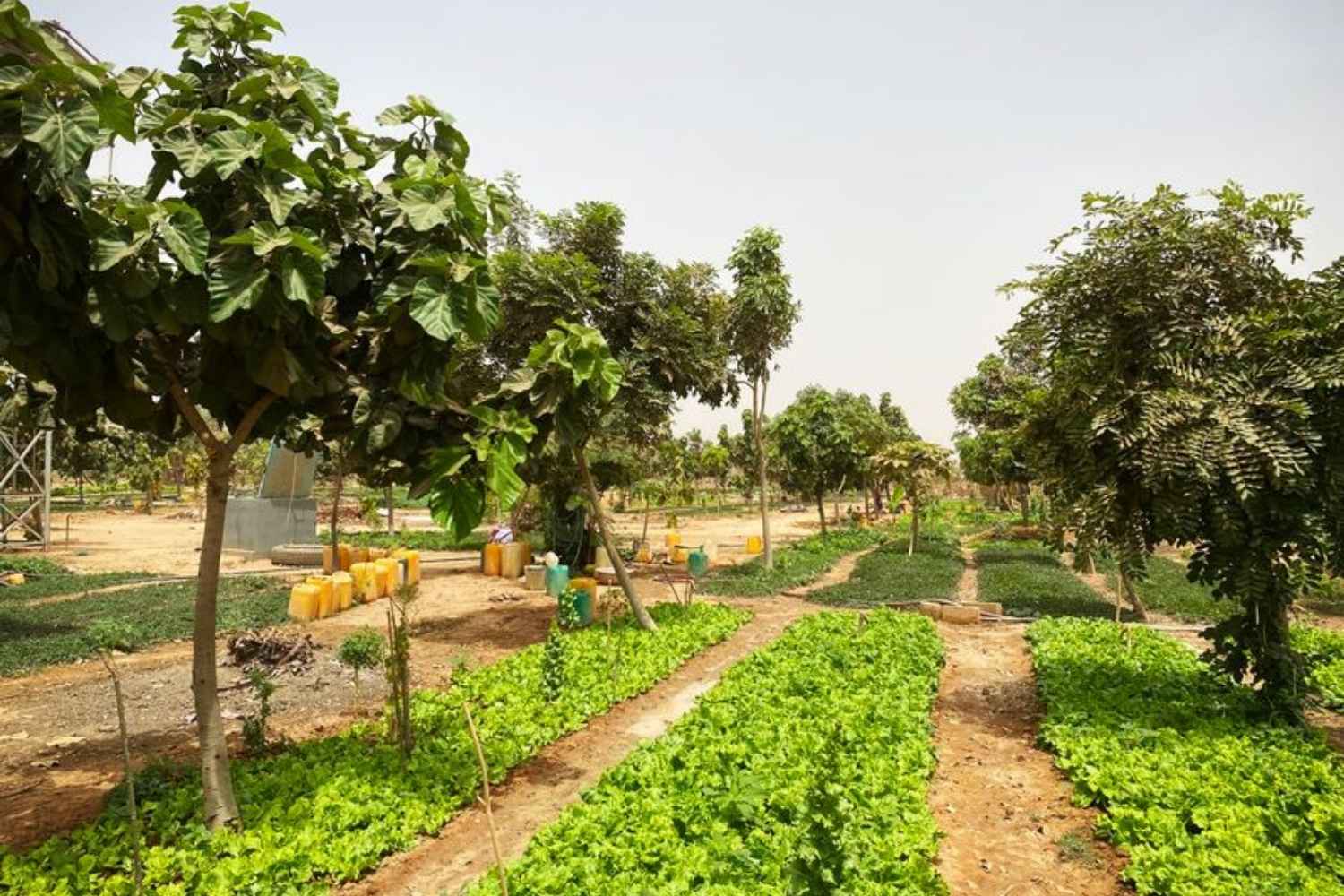
The species chosen for the project are not random. Moringa, baobab, shea and nere are in fact trees adapted to the difficult climatic conditions of the Sahel and represent a precious source of food, raw materials and income. And reforestation follows a model that combines protection of biodiversity and agricultural production. The seedlings are grown in a community nursery and subsequently integrated into the fields, together with cereals during the rainy season and legumes in the dry season, to make best use of the available water resources. Moringa plants are also distributed to families, who can grow them in their courtyards and use the leaves in their daily diet.
At the same time, the women of the community take care of Assisted Natural Regeneration, identifying and protecting the trees that grow spontaneously, preventing them from being cut down or damaged. In this way the forest helps to counteract erosion, protect the soil and promote the regeneration of local vegetation.
Thus child malnutrition has decreased: the results of the project
One of the most important aspects of the initiative carried out by WOWnature in Burkina Faso concerns children’s health. Thanks to the collaboration with the Garango Health District, the project was able to monitor the evolution of nutritional indicators over the last five years. According to data provided by doctors to the initiative’s promoters, acute malnutrition went from 6.9% to 4.5%, a reduction of 2.4 percentage points. This means that around 500 children have emerged from this critical condition. And chronic malnutrition also decreased, going from 22.5% to 19.8%.
Trees are life. We have found that fruit trees and non-wood forest products are necessary in the nutrition of children, pregnant women and breastfeeding women” – says Zouré Clarisse, president of the Union de Femmes Garango (UFG), the entirely female organization that manages the project in the field – “and the impact in the villages has been notable. The tree is life: without trees we women can’t even cook, since we use firewood. Many children and women have emerged from malnutrition thanks to this forest.
From shea to economic independence: the women’s revolution of Garango
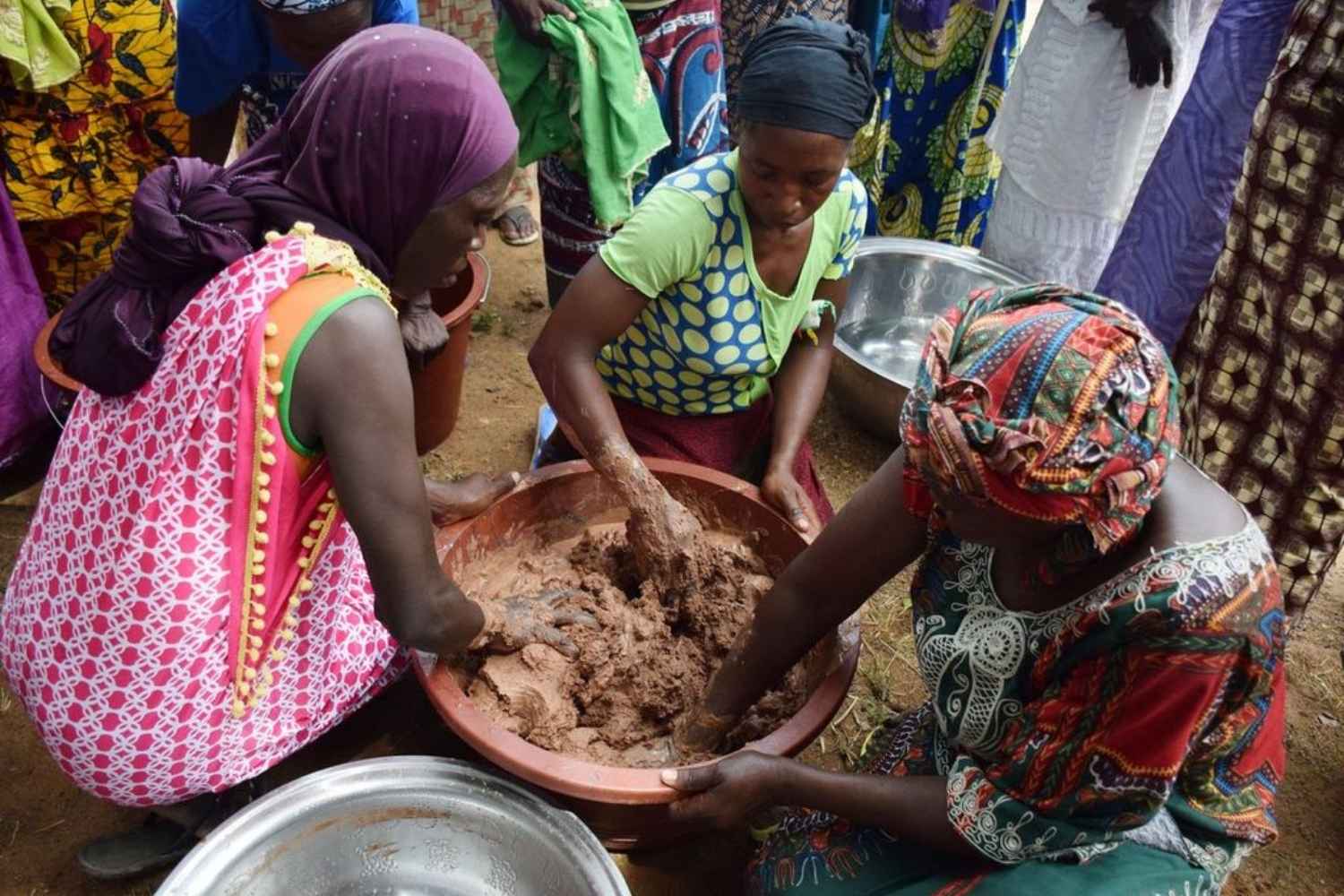
If reforestation is contributing to improving nutrition, it is above all through the processing of shea that the project is transforming the local economy. It all started with just 35 women, who handcrafted around ten bags of shea butter a year, purchasing the nuts at the market. Today the Union de Femmes Garango involves around 500 workers, involved in shea production and agroforestry activities.
©WOWnature
The association also has a processing plant powered by solar energy, with machinery that allows the raw materials to be directly processed and produced butter, oils and soaps. A substantial difference compared to the past, when women mainly sold raw walnuts, leaving much of the economic value of processing to others. Thanks to the support of WOWnature and Etifor, the supply chain has obtained international recognition and certifications, including WFTO and NATRUE, which have contributed to opening new commercial outlets on the European market. The economic results are significant: according to project data, local transformation generates an added value of 250%, while the net income of the harvesters increased by 32%. The economic value retained in the territory has quadrupled and production has reached five tons of finished products per year. But, above all, women have acquired greater autonomy in managing their work and selling their products, reducing their dependence on commercial intermediaries.
There is a huge difference between how we worked at the beginning and today: we have improved both quality and volumes. – underlines Zouré Clarisse – Thanks to this project many women have emancipated themselves, have emerged from poverty and are able to manage the family properly, selling shea at the price they want. Even the mentality has changed: we are talking about women who lived in villages so remote that they could spend up to ten years without moving. My dream now is to strengthen the supply chain by building a large factory and expand the marketing network.
Not just trees: a forest that creates opportunities
The project in Burkina Faso continues to evolve based on the needs expressed by the communities. After building warehouses to protect shea nuts from spoilage and animals, the women identified a new priority: building community cold rooms to store unsold milk on days when market demand is lowest. It is a concrete example of how an intervention created to protect forests can be transformed into a broader path of local development, which involves agriculture, livestock farming, female work and food security.
This project demonstrates that scientific reforestation cannot ignore the social and economic impact. When we combine technical planning and biodiversity protection with the creation of real value for host communities, trees stop being just numbers on a map and become living, resilient ecosystems. – concludes Federico Corrò, Project Manager of WOWnature. – This multifunctional reforestation model, based on female empowerment, on the international certification of local supply chains and on the active fight against the climate crisis and malnutrition, must not be considered an isolated case. It is a structured, rigorous and perfectly replicable Nature-based Solution in many other complex and vulnerable contexts on our planet, where the rebirth of nature must go hand in hand with the independence and dignity of people.
The objective is to demonstrate that reforestation can also function as a tool for economic and social development, provided that local communities are protagonists in resource management. The project can be supported by anyone, including Italy: through the WOWnature platform, citizens and companies can contribute by adopting a tree in Burkina Faso.
