
Today, 17 October, we celebrate the International Day for the Eradication of Poverty, a moment to reflect on how inequality continues to dig deep ditches between those who have too much and those who don’t have enough. And while social policies are struggling in many countries around the world, news comes from Mexico that gives rise to concrete hope: poverty can really be reduced, and it can be done by increasing wages, not by cutting rights.
In the last six years, between 2018 and 2024, over 13 million Mexicans have improved their living conditions, bringing the poverty rate down from 42% to 29.6% of the population. A historic result that does not arise from chance, but from a clear political choice: doubling the minimum wage and strengthening protections for workers.
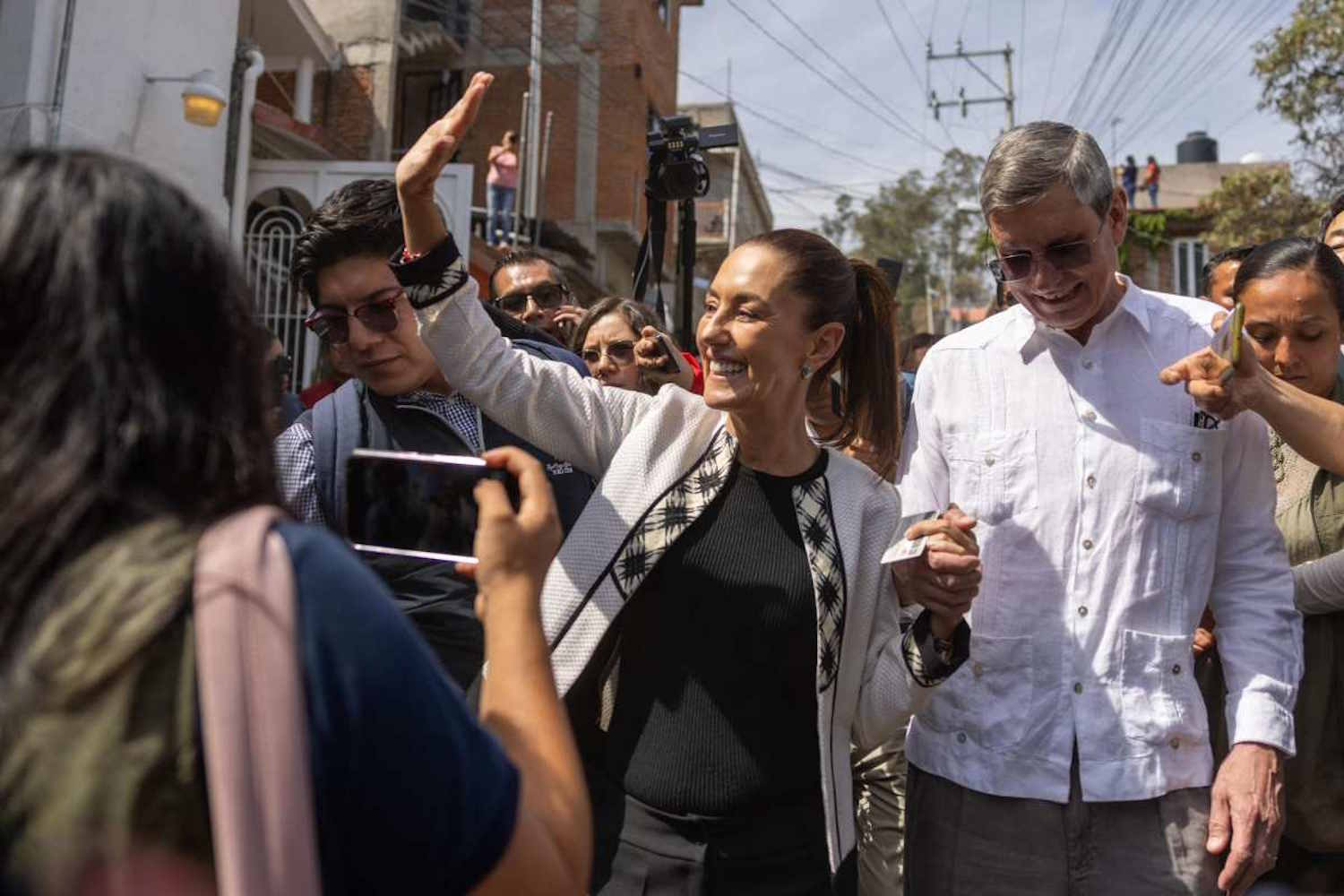
Under the presidency of Andrés Manuel López Obrador (AMLO) and, today, of Claudia Sheinbaumjust over a year after her inauguration as Mexico’s first female president, the country has staked everything on a simple but revolutionary idea: the dignity of work is the first step to defeating poverty. The minimum wage has more than doubled – from 4.75 to 15 dollars an hour – and even tripled in the border area with the United States.
But the road is still long
Specifically, while Mexico has one of the highest rates of income inequality in the world (according to 2022 data from the World Inequality Lab) and in 2022 also had the lowest tax-to-GDP ratio in the OECD and one of the lowest in Latin America and the Caribbean, the poverty rate has decreased under the presidency of López Obrador, from 41.9% in 2018 to 36.3% in 2022, according to the official poverty analysis agency.
However, it must be said that extreme poverty has remained unchanged and the number of people without access to healthcare has more than doubled. The government and independent analysts have pointed to a sharp increase in the minimum wage and a near doubling of remittances from Mexicans abroad as factors contributing to the decline in poverty.
The result? At least a reversal of the neoliberal logic that for years has portrayed the minimum wage as a danger for the economy.
Of course, the road is still long. Inequalities remain profound among Mexicans, especially in rural areas where access to essential services is still poor. But the Mexican lesson is clear: the fight against poverty does not come from handouts and bonuses, but from stable work, fair wages and courageous policies.
And on this International Day, perhaps we too, in this part of the world, should ask ourselves what value we give to work and how much we are willing to invest in people’s dignity. Because poverty cannot be erased with promises, but with social justice.
Sources: World Inequality Lab / OECD / Coneval / Comisión Nacional de los Salarios Mínimos
