
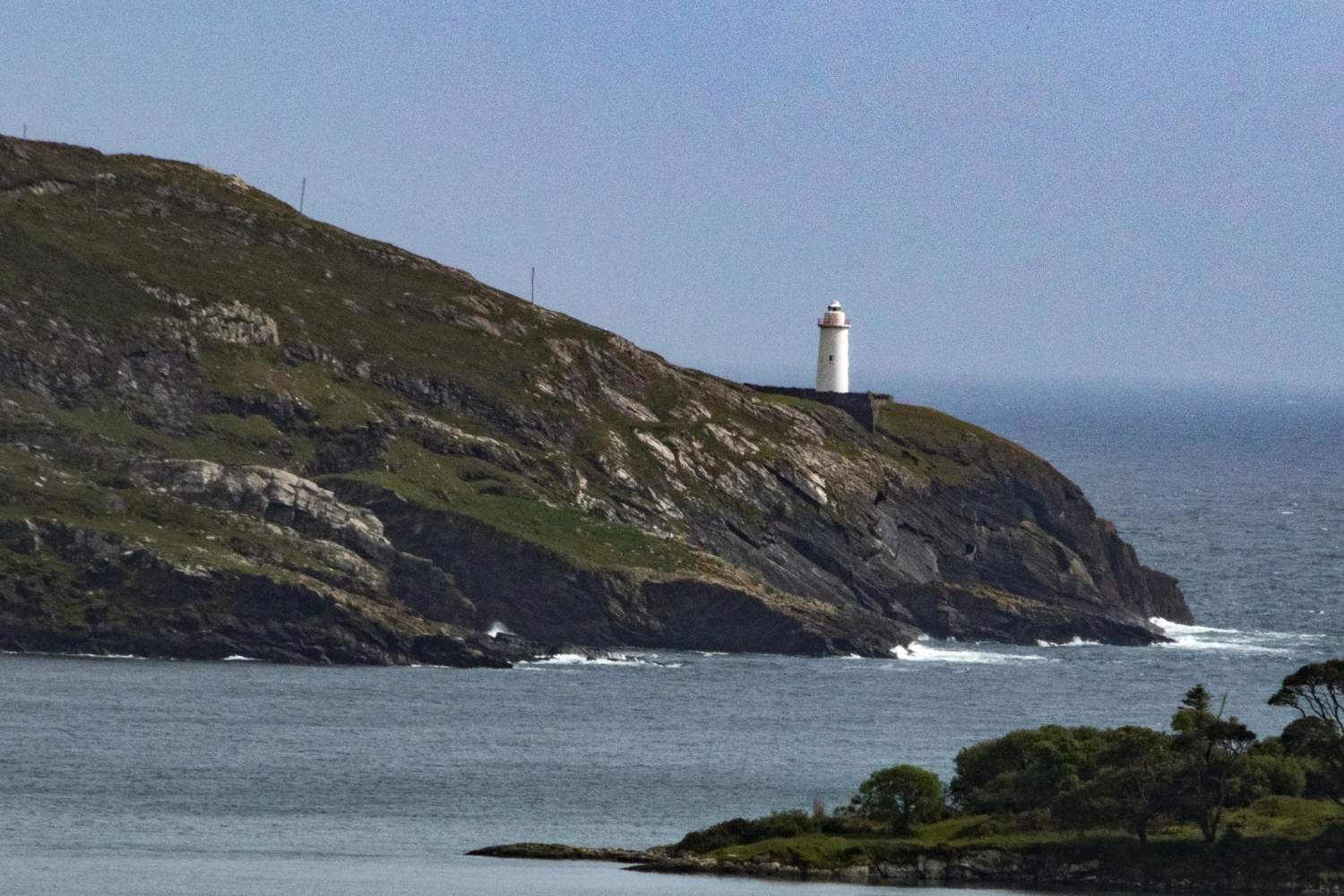
Thirty islands, almost all reachable only when the tide allows it, risk being left without inhabitants within a few decades. To avoid this, the Irish government has put figures on the table that are close to 90,000 euros per family. This is not a check for those who decide to move, as some of the international press has implied, because the money is used to put houses that have been empty for years, often decades, back on their feet.
What is Our Living Islands
The program is called Our Living Islands and is a ten-year national policy launched by the Department for Rural Development and Community and the Gaeltacht on 7 June 2023. It covers islands that remain isolated every day by the tide, have no bridges or causeways to the mainland, have a stable year-round resident population and are not privately owned. These include names known to lovers of coastal trekking such as Inis Mór (image below), Inis Oírr, Bere Island and Arranmore.
How much is the contribution worth and what is it for?
The economic mechanism is not new and relies on the Vacant Property Refurbishment Grant, the same instrument already active on the mainland under the name Croí Cónaithe. For properties on the islands, however, the ceilings rise by 20% compared to the rest of the country, precisely because the costs of transporting materials and labor there weigh more: up to 60,000 euros to renovate an empty property, up to 84,000 if the building is classified as dilapidated.
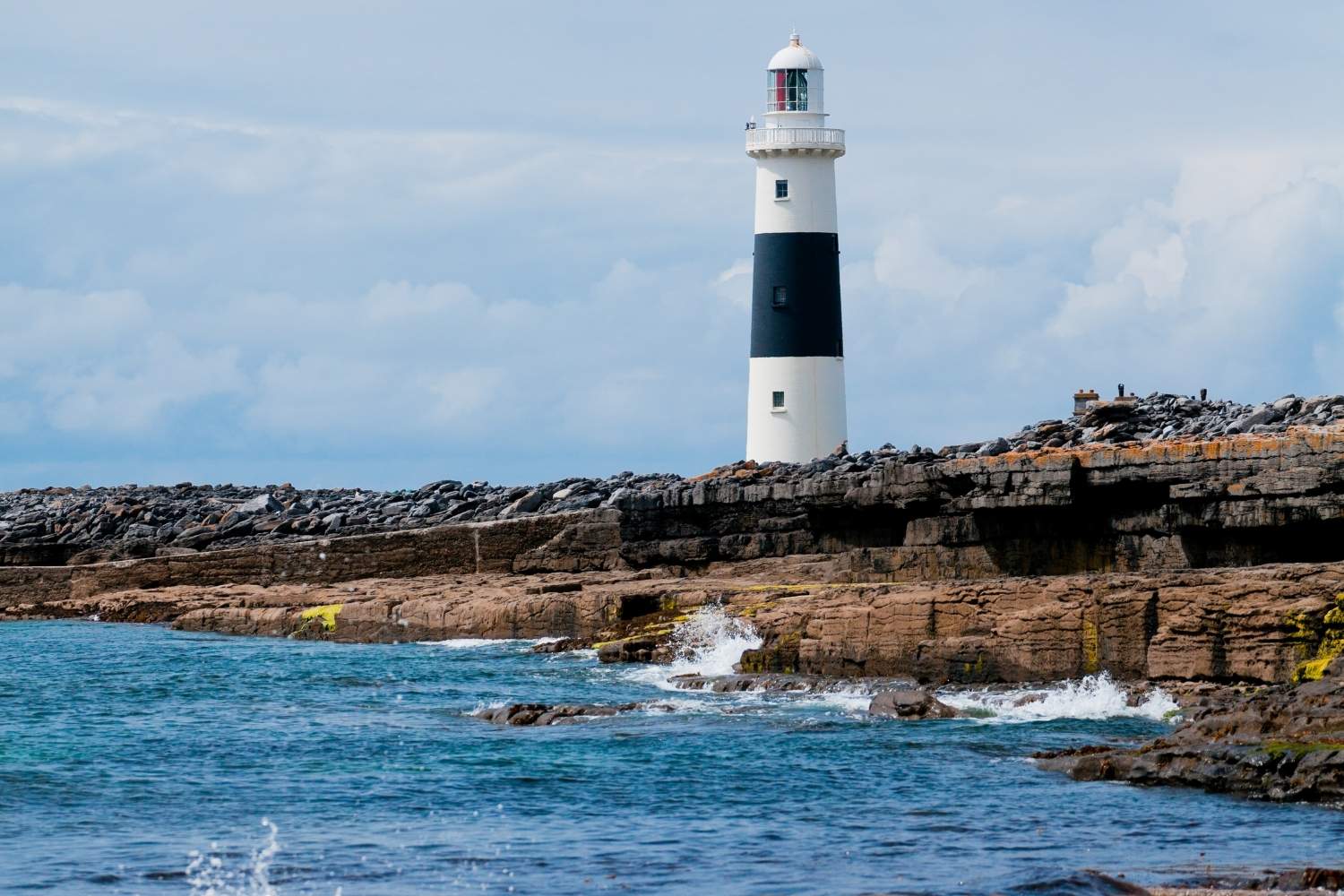
@Inis Oírr, in Galway Bay
Requirements and application
The conditions, however, restrict the audience a lot. The property must have been vacant for at least two years at the time of the application, and whoever obtains it must transform it into their main residence or use it for long-term rental, therefore no holiday homes or seasonal B&Bs. Applications go through the relevant local authorities for each island, not through a centralized portal.
The misunderstanding going around the web
It is worth clarifying this because a simplified version of the news is circulating online, that of “move and we will pay you”, a misunderstanding born precisely from the media coverage of the initiative, as reconstructed by PolitiFact in a dedicated fact-check, so much so that the department spokespersons themselves have had to specify several times that the objective is not to finance those who move but rather to support those who rebuild.
The demographic issue behind the plan
Behind the figures there is a concrete issue, linked to the fact that in recent decades these communities have seen their permanent inhabitants progressively reduce, with schools closing and services moving away. The action plan that accompanies the policy, valid until 2026, provides for eighty interventions that go beyond construction, including high-speed broadband at island connection points, telemedicine hubs and hubs for remote working.
