
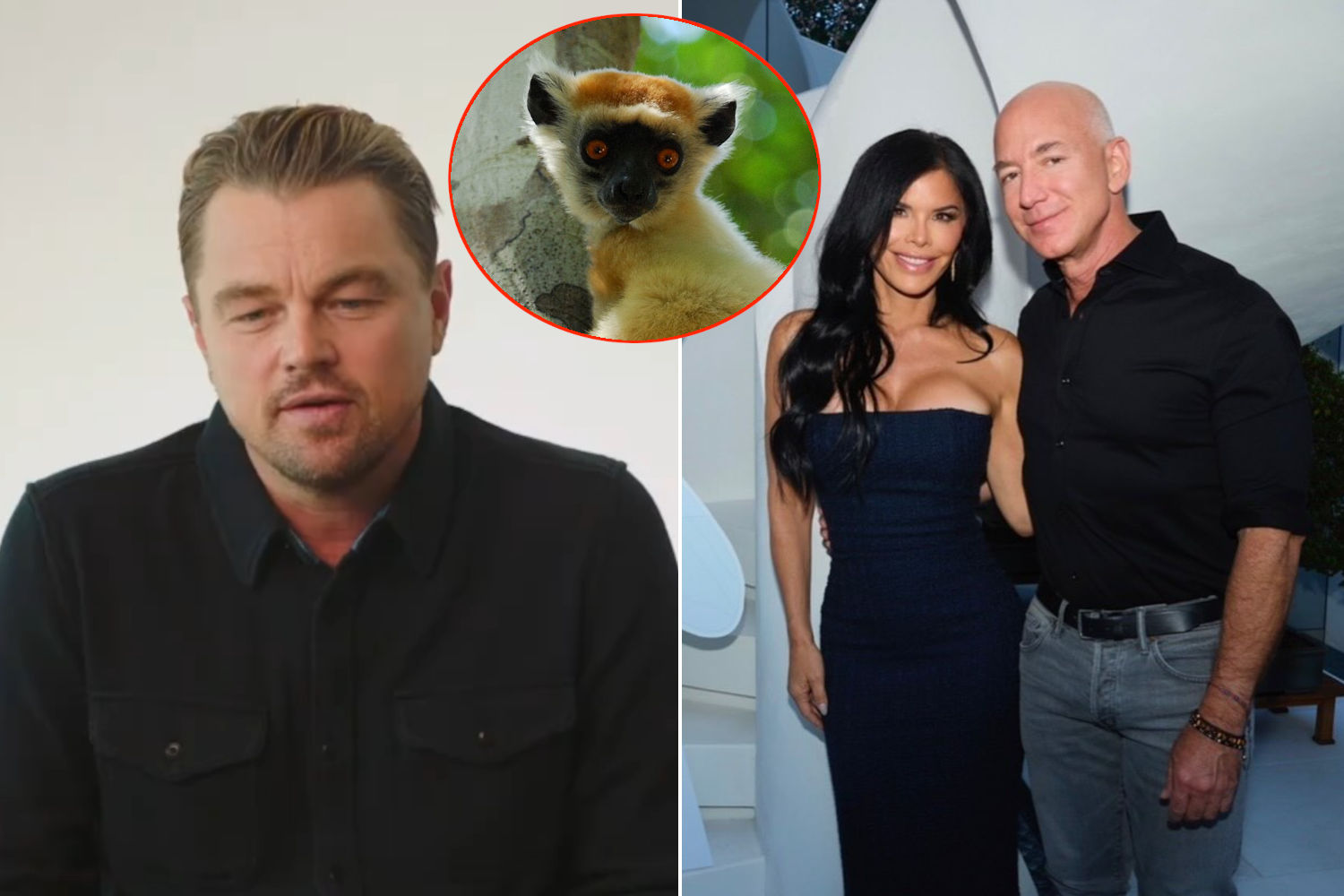
From the synergy between the environmental organization Re:wild, co-founded by the actor Leonardo DiCaprio, and the Bezos Earth Fund, the body established by the entrepreneur Jeff Bezos and Lauren Sánchez Bezos, the Phoenix Species Project came to life. This is the largest private financial support operation ever dedicated exclusively to the protection of living organisms on the verge of definitive decline.
The program mobilizes a total of 200 million dollars – equal to approximately 173 million euros – with the priority objective of interrupting the disappearance of one hundred threatened species distributed within thirty countries. The economic commitment sees the initial sum being divided into equal parts: 100 million dollars come from the Bezos Earth Fund, while the remaining 100 million are allocated by Re:wild thanks to the contribution of Leonardo DiCaprio, the Age of Union foundation and the Todd Graves Family Foundation.
Continuous and global planning against the climate crisis
The real strategic turning point promoted by the Phoenix Species Project lies in overcoming the classic provision of fixed-term funds, introducing continuous economic support necessary to plan long-term protection actions. The management of the interventions will see the coordinated cooperation of over one hundred international and local partners, directly involving researchers and indigenous communities.
The fields of action will range from captive breeding programs to habitat restoration, up to the control of biological plagues, disease management and reintroduction into the wild. The geographical and biological coverage will protect mammals, amphibians, reptiles, birds, fish, invertebrates and plant species living in heterogeneous ecosystems ranging from tropical forests to oceans, up to volcanic expanses.
The priority species and the vision of the project promoters
Born from the first consultations started in 2021 between Leonardo DiCaprio, the biologist Wes Sechrest, Jeff Bezos and Lauren Sánchez Bezos, the plan will protect very rare animals. Among the main ones include the golden-crowned sifaka in Madagascar – protected by the Fanamby Association led by Tiana Andriamanana -, the green salamander of Hickory Nut Gorge, the warty pig of the Visayas, the Malayan pangolin, the pink iguana of the Galápagos, the pancake turtle of Tanzania, the Cozumel mouse, the starry night harlequin toad and the long-beaked echidna of Attenborough.
A very important initiative that offers a concrete operational tool to reverse the trend given the rapid decline in global biodiversity that is being recorded with the red list drawn up by the International Union for Conservation of Nature which records over 49,000 living entities at risk.
View this post on Instagram
