
There is a scene that is often repeated. Open a bottle of water, take a sip, reseal. It is an automatic, reassuring, almost neutral gesture. The water is transparent, has no odor, has no taste. Yet, right there in there, there could be much more than we imagine. Not something you see. Something that goes unnoticed. Microplastics.
The idea that plastic is a distant problem dies hard. We imagine her on dirty beaches, in the oceans, in the photos that flow quickly on social media. Then something happens that suddenly shortens the distance. A researcher, a tropical beach, fragments of bottles mixed with the sand. From there a simple and uncomfortable question arises: if that plastic is everywhere, why shouldn’t it also be in the water we drink?
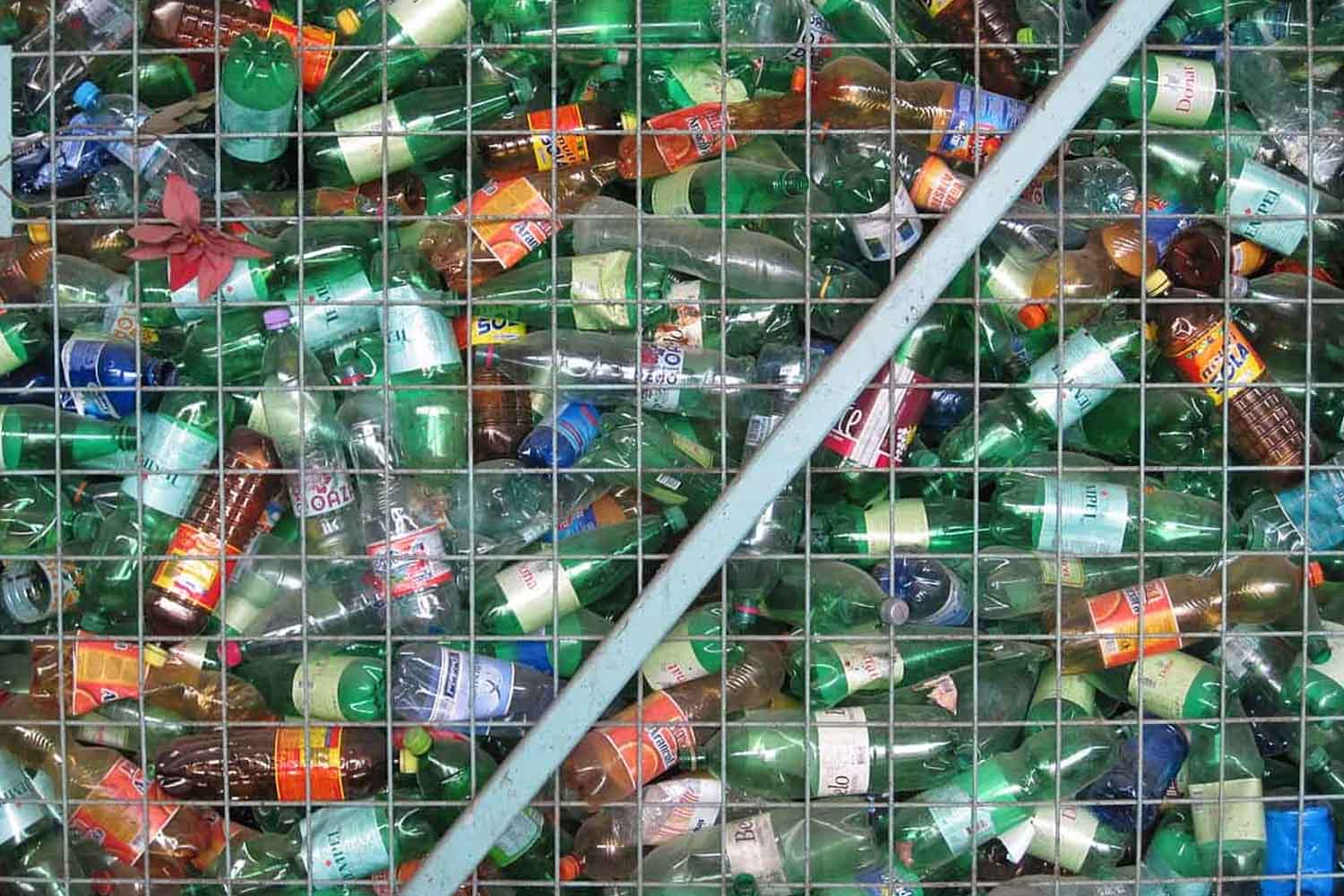
In recent years, hundreds of scientific studies have begun to look inside single-use plastic bottles. Not to understand if they pollute the environment – we already know that – but to observe what they release. The result is less neutral than it seems. Bottles, during their daily life, lose tiny particles. It happens while they are produced, transported, opened, crushed, left in the sun in a car or on a balcony. It happens silently.
The difference compared to other forms of contamination is subtle but important. There is no intermediate step here. No fish, no salt, no food chains to rebuild. Water passes from the bottle to the body, directly.
Microplastics in bottled water: a silent presence that accumulates
Microplastics are not all the same. Some are large enough to pass through the digestive system and exit without leaving a trace. Others are so small that they can overcome the barriers of the intestine, enter the blood and reach organs and tissues. This is where the question stops being abstract.
In laboratories and animal studies, these particles have been associated with persistent inflammation, hormonal imbalances, oxidative stress. In real life, meanwhile, microplastics have already been found in the lungs, blood, placenta, even breast milk. Not because someone did something strange, but because they lived normally.
The point isn’t to drink a bottle every now and then. The point is habit. The slow, daily, almost boring accumulation. Those who drink mainly bottled water end up ingesting many more microplastics every year than those who mainly use tap water. There is no specific moment when “something happens”. It’s more like a silent sum that grows over time.
The exact numbers are still a matter of debate, partly because measuring these particles is complicated and expensive. But the direction is clear. Bottled water is one of the most direct and constant ways that plastic enters our bodies.
A little-discussed normality and a question that remains suspended
Meanwhile, many forms of plastic have come under the spotlight. Bags, straws, packaging. Water bottles are not. They remain there, omnipresent, protected by an aura of safety and practicality. In certain contexts they are indispensable, no one doubts it. In others, they simply became the automatic choice.
Maybe the crux is right here. In the habit that we no longer question. In the idea that “if it is water, then it is harmless”. Instead, bottled water tells a more complex story, made up of invisible particles and continuous exposures that don’t make noise, but exist. There’s no need to dramatize. If anything, we need to stop thinking that what we can’t see doesn’t concern us. Because plastic, by staying in the background, has found a way to get much closer than we thought.
You might also be interested in:
