
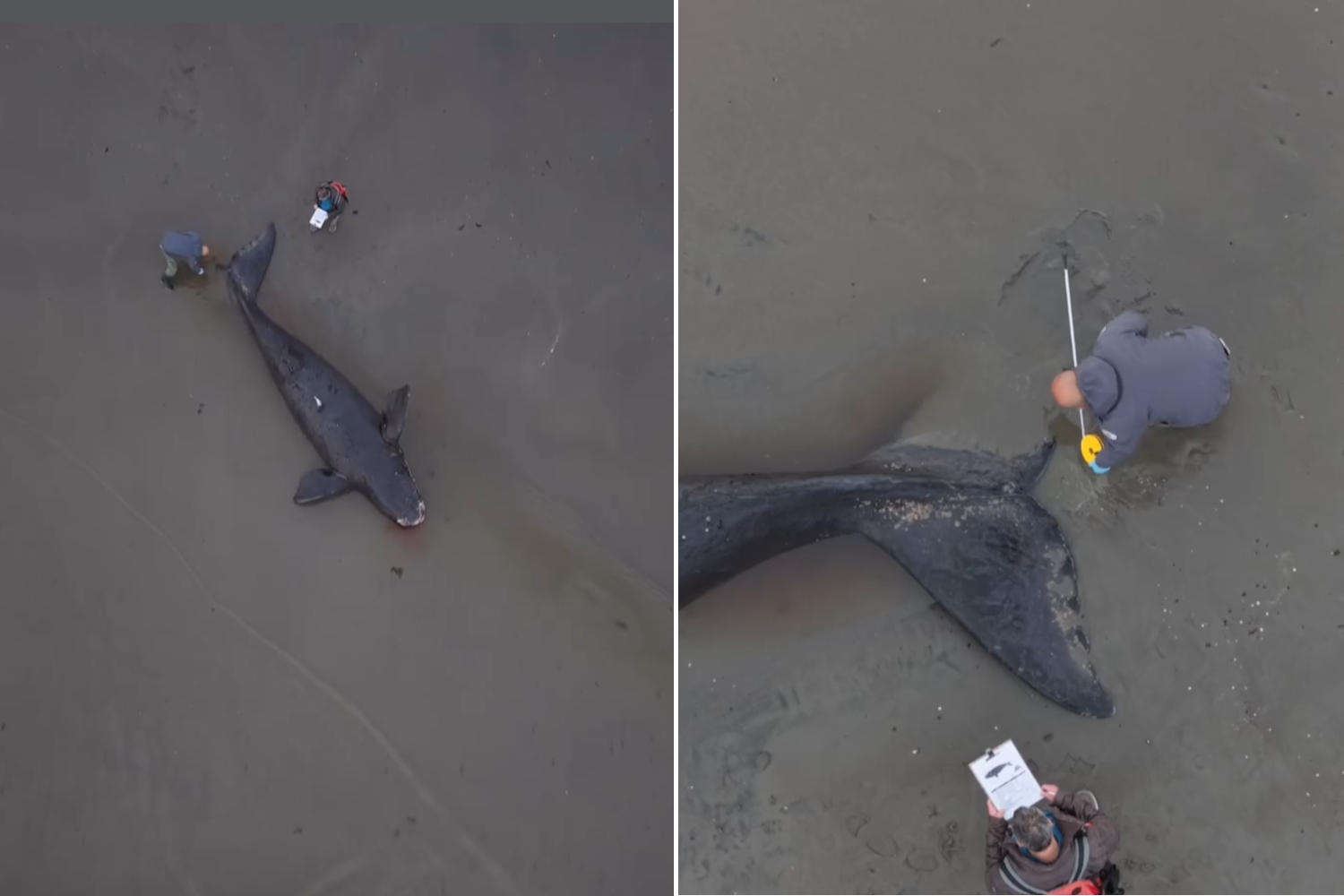
The coasts of the Valdés Peninsula, in Argentina, have returned to the center of international attention due to the discovery of several lifeless specimens of southern right whales. Raising concern is the mortality of calves recorded in the Chubut region during the 2026 season. The Health Monitoring Program, supported by institutions such as CONICET and the Institute for Whale Conservation, immediately started necropsies and sampling to shed light on the matter.
At the moment, preliminary analyzes conducted by experts have identified the presence of a bacterium associated with erysipelas, a pathology known in the marine world that can cause skin lesions and septicemia in cetaceans. However, as underlined by specialist Víctor Fratto, the isolation of the bacterium represents only a diagnostic hypothesis and not a definitive cause of death. The microorganism lives naturally in the marine environment in contact with fish and shellfish, making it necessary to understand why it is particularly affecting puppies in this specific period.
View this post on Instagram
The gap between the times of science and the confusion on social media
While alarming figures and hasty comparisons with past seasons multiply on the web and on social platforms, the scientific community asks for rigor and patience. Víctor Fratto reiterated that the groups of cetaceans that frequent the Gulf of San José undergo natural rotations, preventing a direct numerical comparison with previous years. Furthermore, the data for the 2026 season is still partial and requires in-depth checks to avoid double counting.
A fundamental element that emerged from the preliminary investigations concerns the absence of anthropic causes: up to now no connection has been found between the deaths and human activities or industrial pollution.
The authorities remind citizens not to intervene in any way in the event of sightings of stranded specimens and to rely solely on official channels, letting the coordinated work of biologists, rangers and researchers take its course to protect the biodiversity of Patagonia.
View this post on Instagram
