
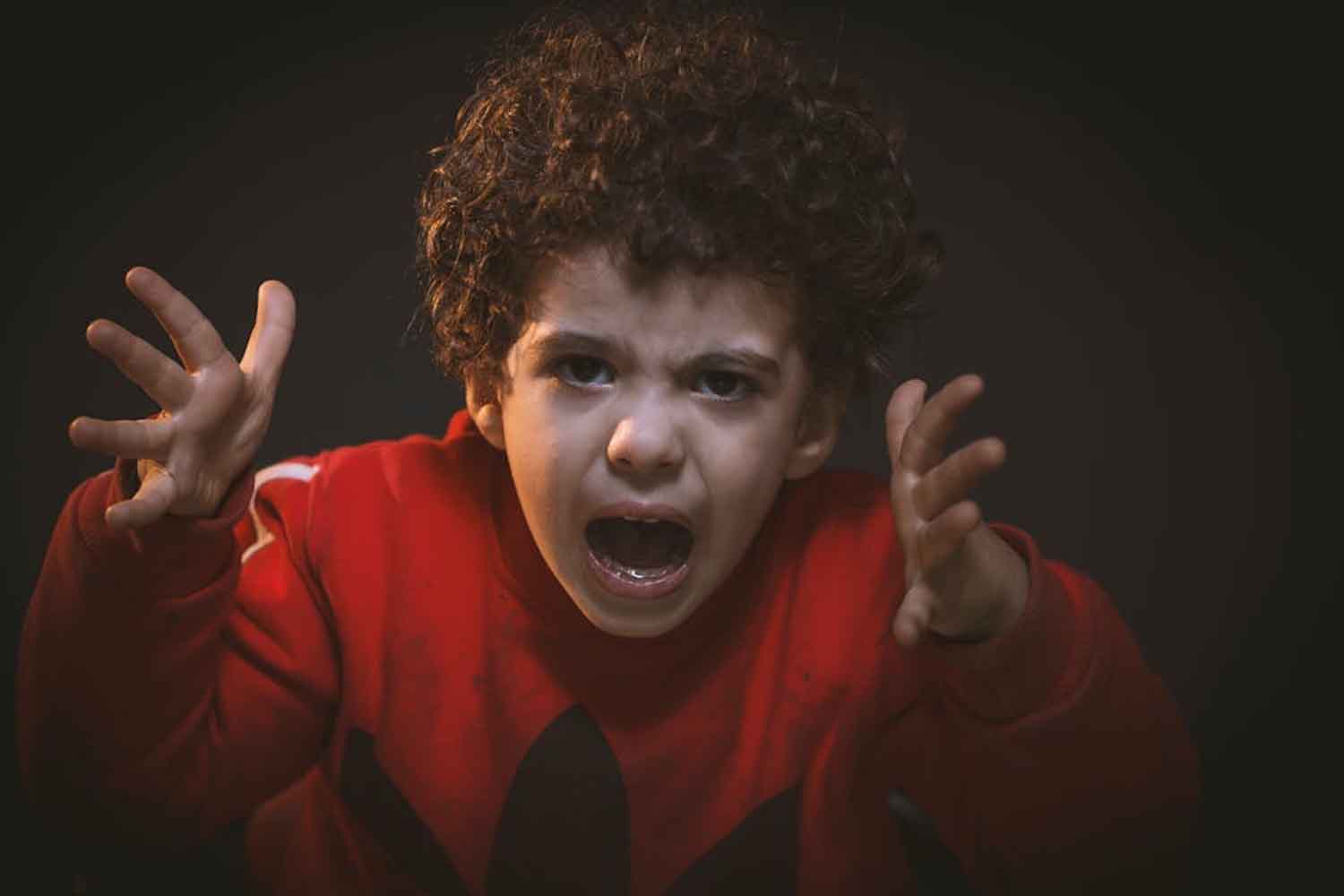
There is a phrase that often goes around, said with the confidence of someone who thinks they have found a simple explanation: everything that children do depends on their parents. It remains with those who raise children every day, between work, tiredness, affection, attempts, small and large errors. It transforms parenting into a kind of permanent tribunal, where every choice the children make becomes evidence to be analysed.
Real life disappears inside this idea. Different characters disappear, relationships that change people, experiences that leave profound marks. Above all, a simple truth disappears: children grow up, become people, make their own decisions. This is how human growth works.
When everything is reduced to parental guilt, the emotional climate becomes heavy. Parents feel under constant scrutiny. Children struggle to build a sense of personal responsibility. In between there remains a silent pressure that infiltrates daily relationships.
Growth occurs within relationships, contexts and personal choices
Those who grow up do so immersed in the world. Family, school, friends, cultural environment, emotional experiences act together, day after day. Over time, children take on more and more space in their own decisions. This passage accompanies development and prepares for adulthood.
Psychological research confirms this view. A review study published in Journal of Student Researchtitled Parenting Styles and Their Effect on Child Development and Outcomeanalyzes numerous scientific works and shows how the authoritative parenting style, based on emotional warmth, clear rules and emotional support, promotes better outcomes in the development of children. The results speak of greater emotional regulation, stronger social skills, better academic results and a greater ability to deal with life’s difficulties.
The study describes education as a significant influence, able to guide and prepare. Total control remains outside the scientific framework. Growth takes shape through many variables that interact with each other, with children becoming increasingly protagonists of their own path.
Guilt and responsibility create opposite effects in relationships
The guilt crushes. Responsibility supports. When everything is attributed to parents, the message that reaches children remains subtle but powerful: your choices don’t really belong to you. This message weakens emotional growth, especially during adolescence, when the need to experiment and define oneself becomes central.
Personal responsibility is built over time, through the possibility of recognizing one’s decisions and learning from the consequences. A climate dominated by guilt fuels closure and defense. A climate based on support fosters awareness and change.
Parents are also affected. Those who feel constantly judged struggle to ask for help and reflect calmly. Support makes parents more present, more available, more capable of accompanying without invading.
Changing your gaze improves the daily life of families
Leaving the culture of accusation means choosing a more human perspective. It means recognizing that raising children is an imperfect process, made up of constant attempts, adjustments and mutual learning. It means seeing children as evolving people, capable of changing paths and growing even through mistakes.
When parents feel supported, they remain more open to dialogue. When children are guided towards responsibility, they develop greater self-confidence. In this balance there is room for healthier, more authentic, more resistant relationships over time.
Growth follows irregular paths. It is made of curves, second thoughts, stumbles and new departures. No one becomes an adult thanks to educational perfection. When we stop blaming parents for every outcome and recognize the complexity of human development, space is created for real well-being. The one born from empathy, shared responsibility and breathing relationships.
You might also be interested in:
