
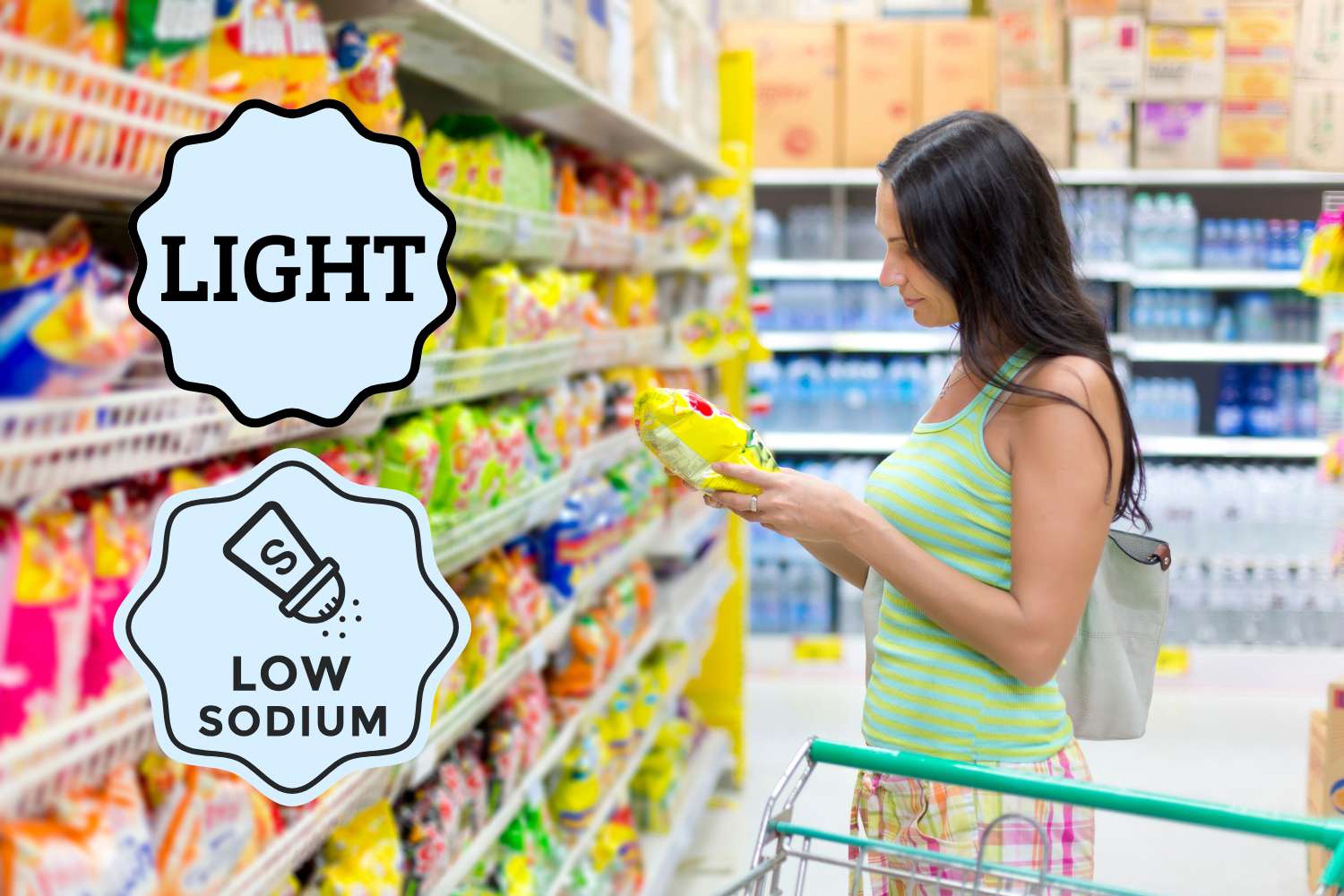
You have noticed that in recent years they have appeared on the shelves of the supermarkets of the “special” chips? With claim like “50% less salt“,, “With olive oil“,, “Light“Or“not fried“,, they promise to be healthier. But is it really the case?
The packaged chips have always been an irresistible snack, but not exactly a healthy food, they are in fact rich in fat and salt, poor in proteins, fibers, micronutrients and very caloric. Still, some messages on the label pass these aspects in the background, giving the illusion that there are more “healthy” chips. Companies play a little too much with our guilt feelings of eating something that we know don’t do well.
So we pay attention to the most obvious marketing tricks, as it suggests Altroconsumo. Let’s see what to pay attention to the label.
Not fried
The idea that chips are not immersed in boiling oil makes us think automatically to a less fat and healthier product. But unfortunately, it is not always the case. Some “not fried” chips contain quantities of similar or even higher fats compared to the classic fried.
An example? The Fonzies, which report the wording “not fried”, but contain 34 g of fats per 100 g, a value higher than that of different french fries.
Source of iodine
When we read “source of iodine”, we believe we find ourselves in front of a snack with an added nutritional value. In reality, in most cases, this claim simply indicates the presence of iodized salt. Although iodine is an essential mineral, a healthy food does not certainly do.
The WHO recommends the use of iodized salt in the kitchen, but does not suggest taking it through snacks rich in fat. Crik Crok chips, for example, report this wording, but the nutritional benefit remains marginal.
With olive oil or with extra virgin olive
Reading “with olive oil” can give the impression of being faced with a healthier product and with more valuable ingredients, but just take a look at the label to notice that olive oil is often present in Minimum quantities, while sunflower oil remains the main fat used.
This is the case of the “Coop special recipes” chips, where extra virgin olive oil is present in a lower percentage than sunflower oil.
Light
Are the “light” chips really lighter? The claim suggests a reduction in fat, but this does not necessarily mean that the calorie content is low or that they can eat more without problems. Sometimes, you can find chips with fewer fats even without this wording.
The best advice is always to check the nutritional table rather than trust an captivating label.
-50% of salt
Seeing “-50% of salt” on the package can make us feel less guilty in granting us a snack, but be careful: the reduction of salt does not automatically make chips a healthy product. Often the focus on the decrease in salt serves to divert attention from other less favorable nutritional aspects, as an increase in fat content.
What to choose
As always, the advice is to read the list of ingredients. The classic chips contain only 3 ingredients: potatoes, oil and salt. Other snacks, like corn croccantini and flavored chips, have a much longer list that includes artificial aromas, flavor enhancers and dyes.
If you really don’t want to give up a portion of chips, choose at least those with few ingredients and limited the quantity. And above all, do not be fooled by the labels that promise nutritional benefits: in the end, they always remain a whim to be enjoyed with a lot of moderation.
