
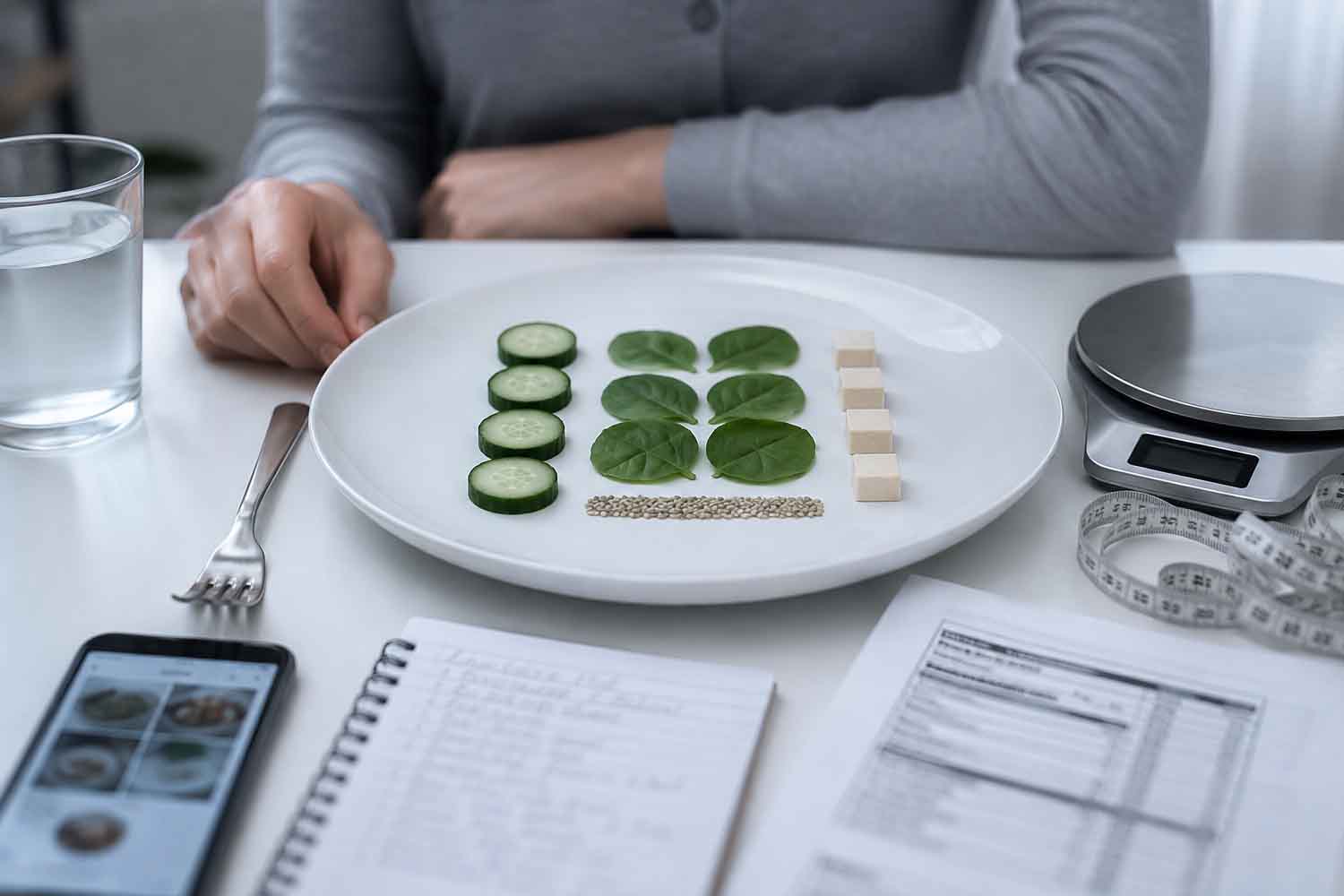
First the bread disappears. Then dairy products, gluten, fats and any ingredient that has not passed a purity test based on labels, videos and advice found online. A dinner with friends becomes complicated, a breach of the rule brings anxiety or shame and choosing what to eat takes up hours. A review published on PLOS One analyzed 31 studies on the relationship between social media and symptoms of orthorexia nervosa: the associations are there, especially when faced with content on diet and fitness, visual platforms and longer usage times. The proof that it is the feed that causes the problem, however, is still lacking.
Almost all of the research reviewed was observational. They photograph behaviors that appear together, without determining which came first. An already vulnerable person may seek increasingly stricter food rules; the algorithm, very diligently, continues to serve him more.
The feed adds rules to those who already have too many
Contents dedicated to “clean” nutrition, physical fitness and body control appear more frequently in the review. Factors associated with orthorexic symptoms also include body dissatisfaction and poor health literacy, i.e. greater difficulty in assessing the reliability of health information and advice.
The hypothesized mechanism is circular. Those who fear certain foods seek reassurance online, encounter ever new recipes, bans and classifications and end up reinforcing those same fears. Images have a particular weight: impeccable dishes, selected bodies and ingredients divided between pure and contaminated easily transform a food choice into a moral judgement.
The study, however, has important limitations. Samples, measurement tools and definitions change a lot from one research to another. Much of the work also concerns adults and Western or Westernized populations. The results therefore describe the people studied, without authorizing collective diagnoses of adolescents, women or social media users in general.
When you diet you eat the rest
Orthorexia nervosa indicates a pathological concern for a diet considered healthy, correct or pure. The problem is not measured by the number of vegetables on the plate. It can be recognized by the time taken out of the day, by the anxiety caused by meals and by the rigidity with which foods are admitted or rejected.
As of 2022, 47 nutrition and eating disorder experts from 14 countries have reached a consensus on the definition and possible diagnostic criteria. Among the signs described are the obsessive planning of meals, the continuous control of ingredients, the fear of contamination, the sense of guilt after having violated a rule and a self-evaluation linked to the ability to eat in the way considered right.
A vegetarian diet, reading labels or eliminating a food on medical advice are not enough to talk about orthorexia. The threshold is crossed when those choices become inflexible and compromise health, relationships, study or work. Kale can continue to sleep peacefully.
The consequences can be very real. Progressively eliminating fats, carbohydrates, dairy products, gluten or entire categories of foods without a clinical need can reduce energy and variety in the diet, promoting weight loss and nutritional deficiencies. On a social level, eating something prepared by others becomes difficult, invitations are avoided and the meal stops being an everyday moment to become a control procedure.
A diagnosis still debated
Orthorexia nervosa does not appear as a standalone diagnosis in the American Psychiatric Association’s DSM-5-TR nor in the World Health Organization’s ICD-11. Research still debates whether it is a distinct condition, a manifestation of the eating disorder spectrum, or a set of symptoms that may overlap with other problems.
Compared to anorexia nervosa, attention is described above all as being directed at the quality and presumed healthiness of the food, rather than at the weight and shape of the body. In practice the boundaries can blur. Perfectionism, anxiety and obsessive-compulsive traits may also appear, without any of these elements being sufficient on their own to define a diagnosis.
Estimates of diffusion also fluctuate a lot. A review of the literature on diagnostic tools has shown how much the results depend on the questionnaire used. Some tests risk classifying simple attention to nutrition as pathological. A subsequent review confirmed the absence of a shared and sufficiently solid method. The online quiz may raise a doubt; assigning a label is another job.
What to do when food takes up too much space
There is not yet a specific therapy supported by robust clinical trials. The literature indicates a multidisciplinary approach, with medical and nutritional evaluation, psychological support, recovery of dietary flexibility and treatment of any associated disorders.
Asking for help becomes appropriate when the rules continue to increase, meals cause anxiety, tiredness or weight loss appear and social life begins to shrink. Eating healthy can protect the body. When to do this you have to give up friends, serenity and half the supermarket, the promise of health has already presented a rather steep bill.
