

Incredible archaeological discovery: a research group fromUniversity of Haifa (Israel) He discovered a real Porpora “proto-industrial” system ofIron age which has produced a purple tincture for 5 centuries, once appreciated by many Mediterranean companies of the time.
As the Museum of the origins of the Sapienza University of Rome explainstheIron age marks an important period of human history and in Italy it is ascribed about 950 and 720 BC. At this stage there is in fact a significant change in the production of metal artifacts, first made of bronze and now in iron.
But nobody first thought a production system could really exist: scientists instead identified a coastal settlement in the territory which today is Israel, where there was really a production plant of a purple tincture, once appreciated by many Mediterranean companies of theIron Age.
Previous research had in fact already shown that unique colored wool fabrics, obtained with a dye known as porporathey were very popular among the populations that lived along the Mediterranean coast during that time.
Furthermore, since the materials have been found in many locations, it had already been assumed that a large production plantbut until now his location had remained a mystery.
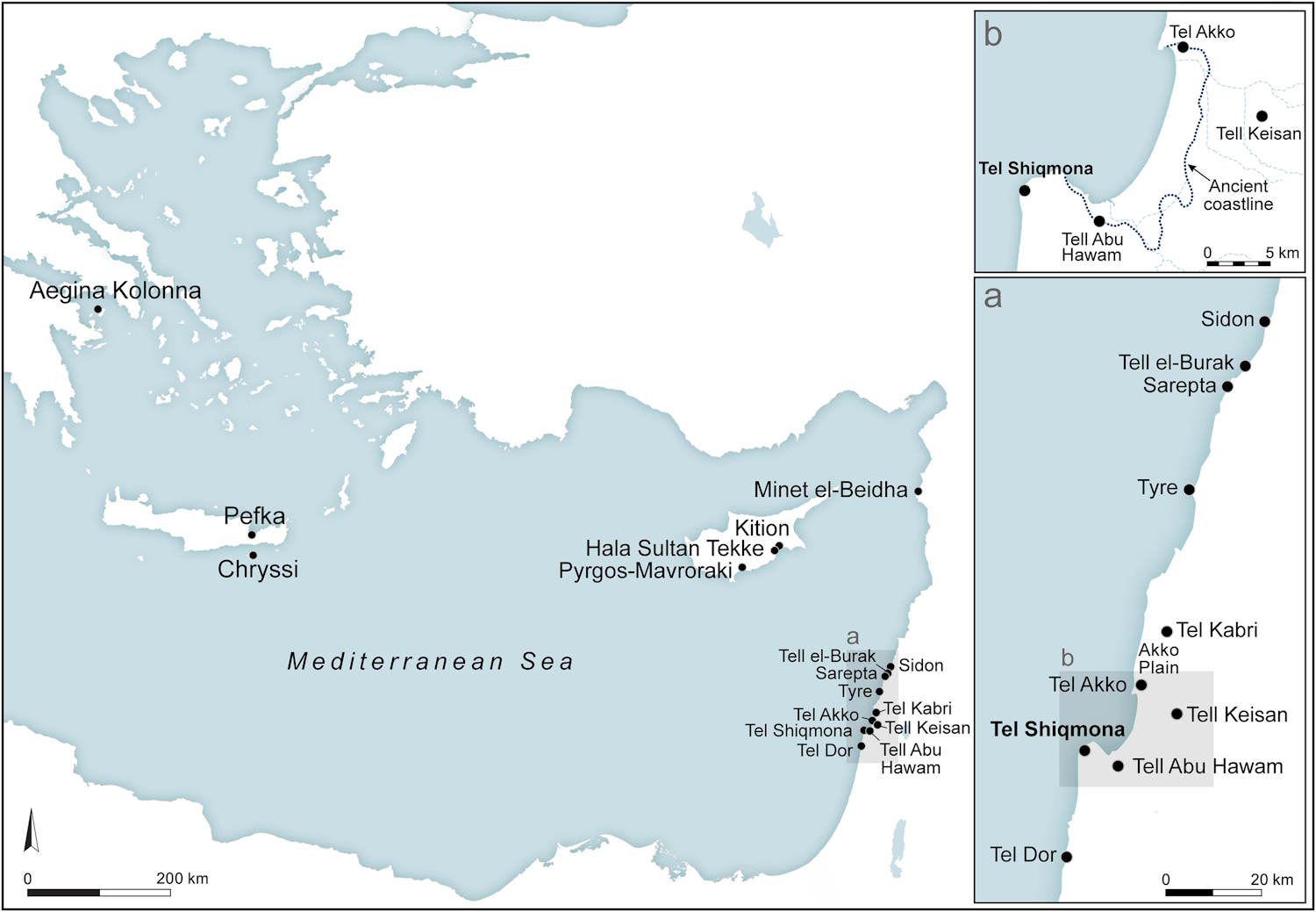
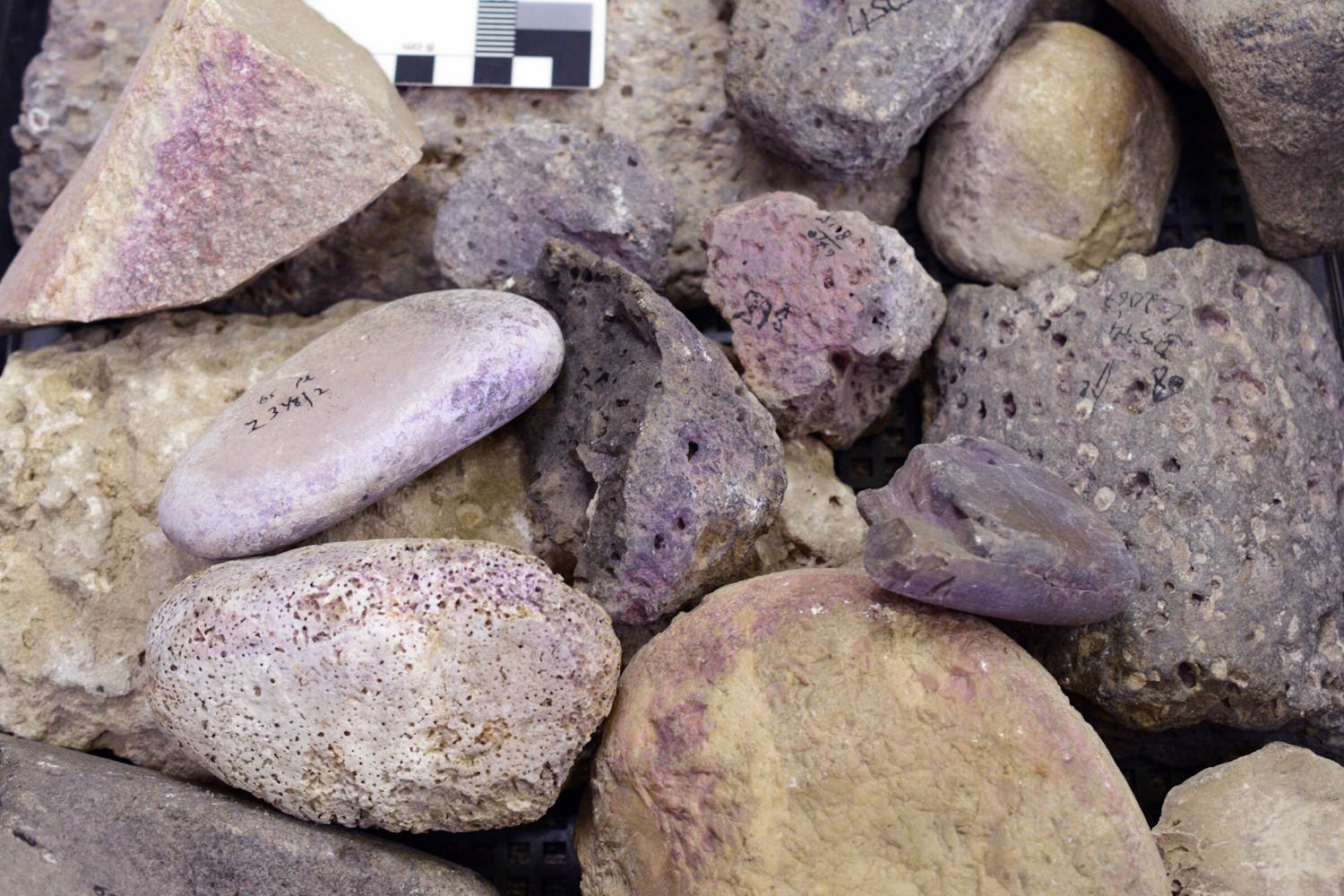
In this new study, the researchers have discovered large married viola from dyeing, together with others 176 artifacts relating to production process which transformed a raw material into a tincture. The excavation site is not far from today’s Haifain what was once known as the fishing village of Tel Shiqmona.
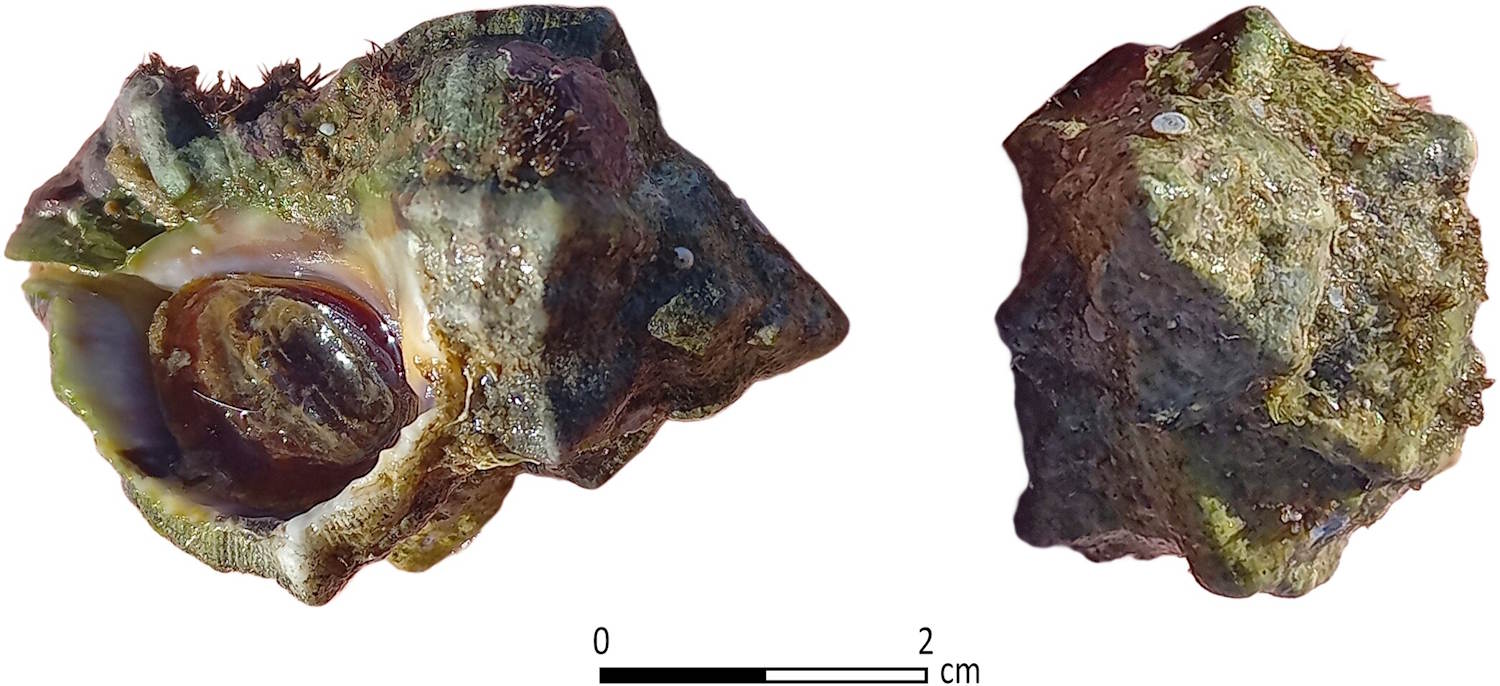
The raw material used, in particular, is mucus extracted from sea snails used by them to defend themselves, and it is green, but it becomes Viola when exposed to the air. His transformation into dye would therefore have requested the execution of several chemical passages to allow them to bind to a fabric. In addition, the tanks found were large enough from contain 350 literswhich suggests that the site was a large -scale production plant.
And there is more, because the tests found on the excavation site suggest that this system has been used for most of theIron age: the researchers believe that the production of the dye is started on the site about 3,000 years agoalthough on a small scale, and which later, with theexpansion of the kingdom of Israelproduction increased.
The production then decreased again, according to the authors, after the fall of the kingdom of Israel, and then increased again after the conquest of the region by the Assyrians.
The work was published on Plos One.
Sources: Phys.org / Plos One
