
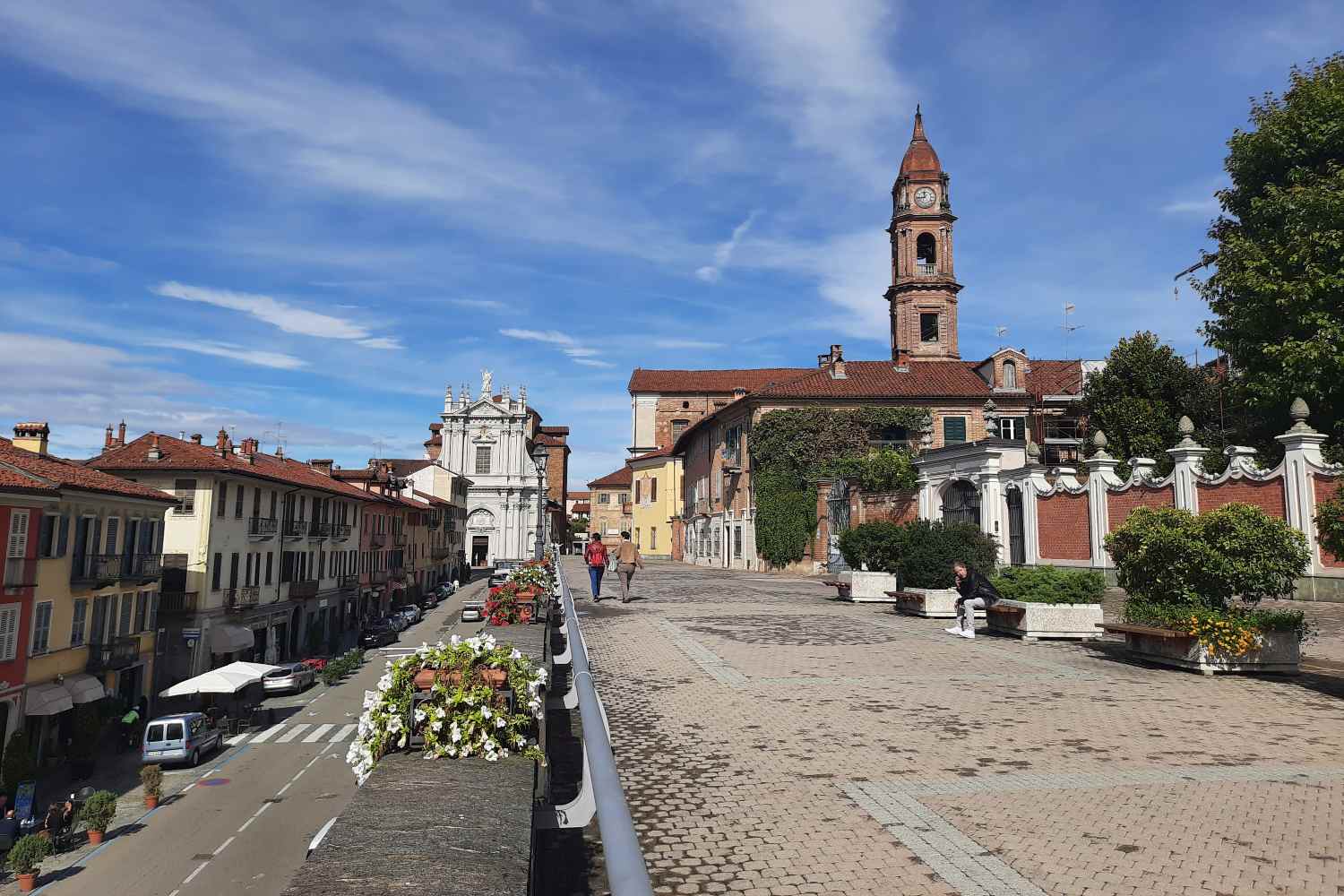
There are places where time seems to have stopped, jealously guarding stories of kings, artists, leaders and centuries-old traditions that continue to live among cobbled alleys and imposing bastions. We wanted to treat ourselves to an exciting journey, a journey in stages through the most evocative villages and cities of art in the province of Cuneo, a generous territory nestled between the hills of the Langhe, Roero and the majestic peaks of the Alps. With a backpack on our shoulders and a lot of curiosity, we let ourselves be guided by the authentic beauty of this corner of Piedmont, ready to discover hidden treasures, baroque masterpieces and flavors capable of conquering even the most demanding palates.
Cherasco: the Sanctuary, the Visconti Castle and the Monastery
Our great itinerary began among the narrow streets of Cherasco, a village nestled on a plateau overlooking the Langhe hills. Having crossed the imposing Belvedere Arch, we immersed ourselves in a fascinating atmosphere, between medieval towers and baroque churches that tell over seven centuries of history.
@RebeccaManzi/GreenMe
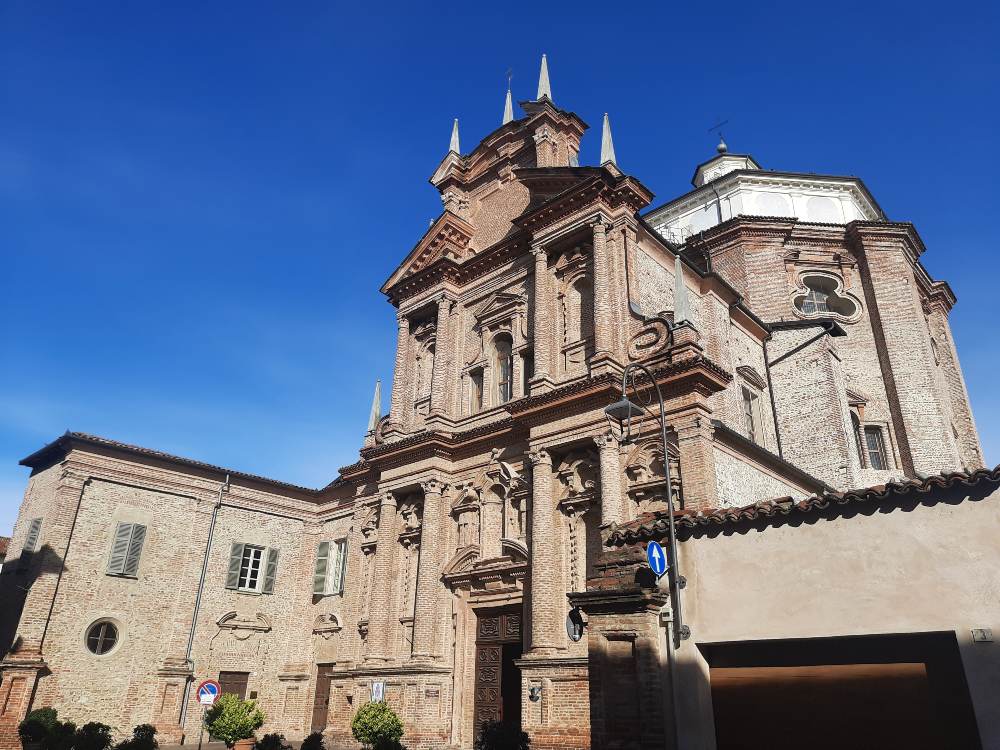
Our first stop led us to admire the majestic Sanctuary of the Madonna del Popolo, a masterpiece of sacred architecture characterized by a grandiose dome and refined decoration that testifies to the profound devotion of the territory.
@RebeccaManzi/GreenMe
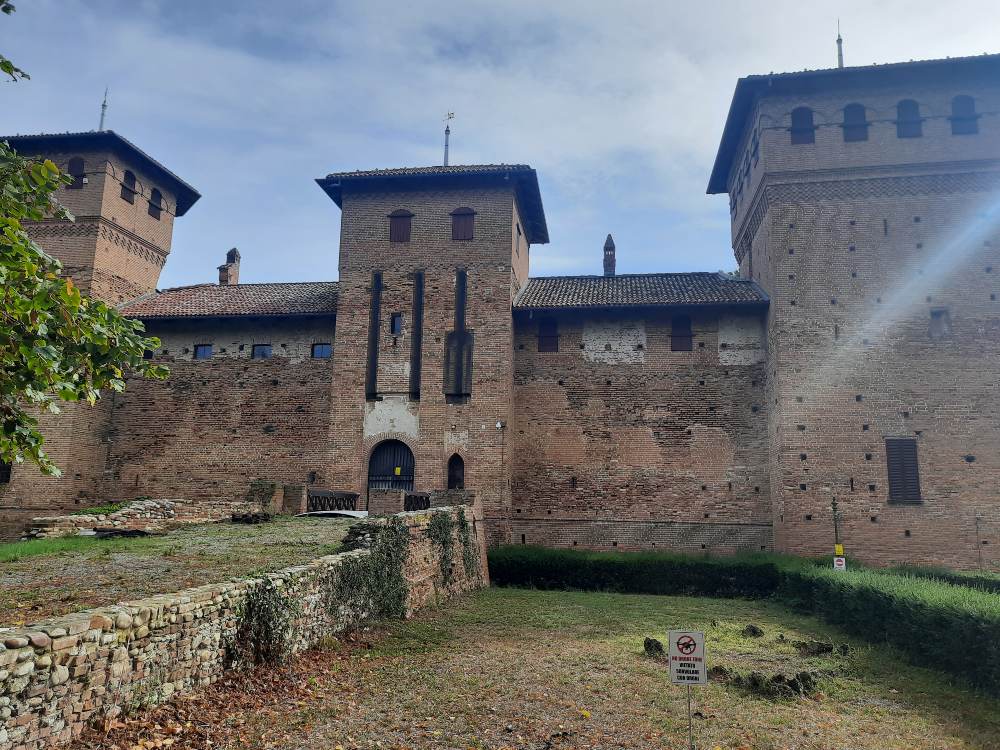
Immediately afterwards, we headed towards the imposing Visconti Castle of Cherasco, a severe and fascinating medieval fortress built by the Viscontis in the 14th century to defend and control this strategic commercial and military crossroads.
@RebeccaManzi/GreenMe
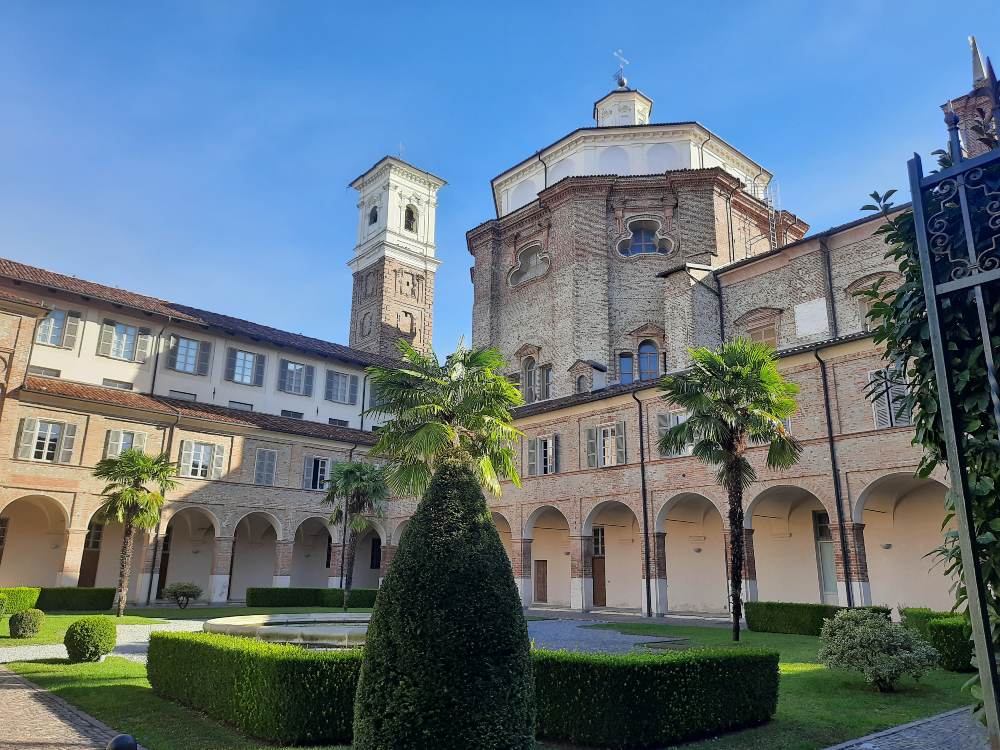
Finally, our journey ended in the quiet retreat of the Cherasco Monastery, a monastic complex rich in history and spirituality, whose silent environments and internal courtyards preserve centuries of memories and contemplative life immersed in the green hills.
@RebeccaManzi/GreenMe
The causeway of Corso Cottolengo and the wonder of the Sanctuary of the Madonna dei Fiori in Bra
Continuing our journey, we headed towards nearby Bra, considered the capital of Roero and the famous home of the Slow Food movement. The city welcomed us with its unique urban structure, made up of large squares and the curious causeway of Corso Cottolengo.
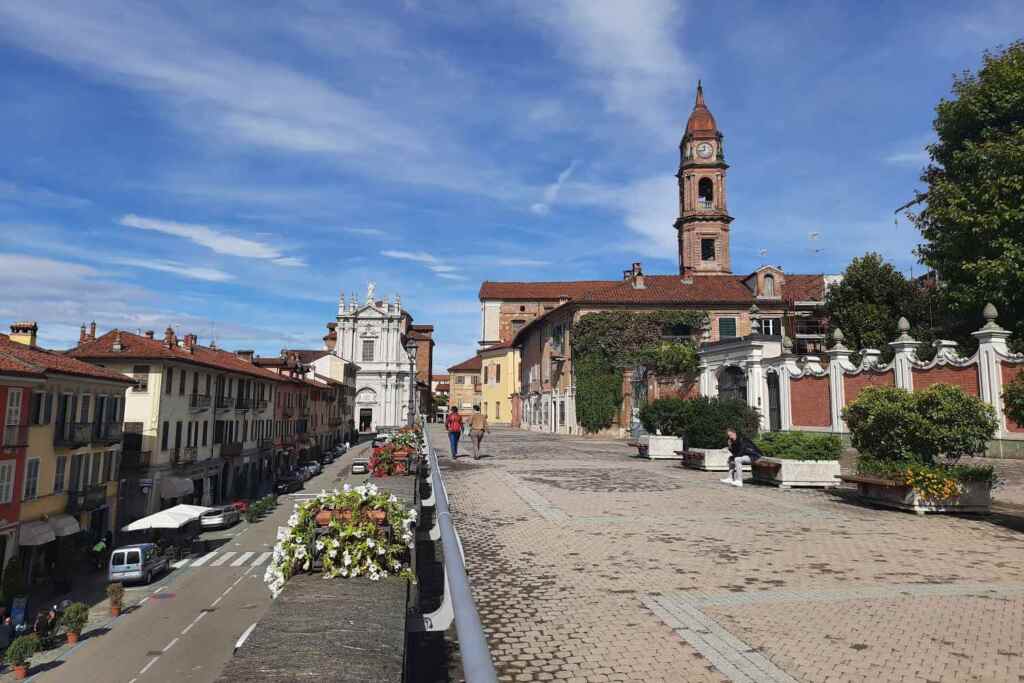
@RebeccaManzi/GreenMe
Walking along Via Cavour and Via Vittorio Emanuele II, we let ourselves be influenced by the local liveliness, admiring masterpieces such as the Palazzo Civico and the Church of Sant’Andrea in Piazza della Libertà.
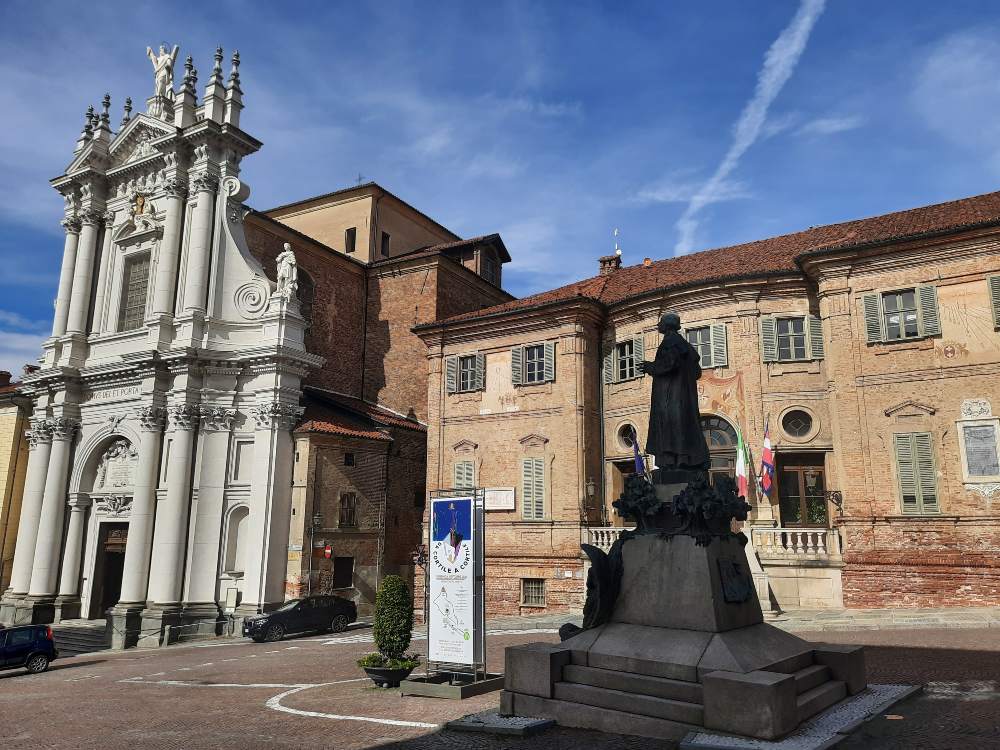
@RebeccaManzi/GreenMe
The unmissable Sanctuary of the Madonna dei Fiori deserves a separate chapter, an extraordinary complex closely linked to the history and devotion of the community. The sanctuary is made up of two side-by-side buildings: the evocative Ancient Church, which preserves the intimate atmosphere and the historical memories of the miracle of flowering that occurred in the fourteenth century, and the majestic New Church, an imposing nineteenth-century structure characterized by large naves, artistic stained glass windows and a large dome that stands out in the urban panorama.
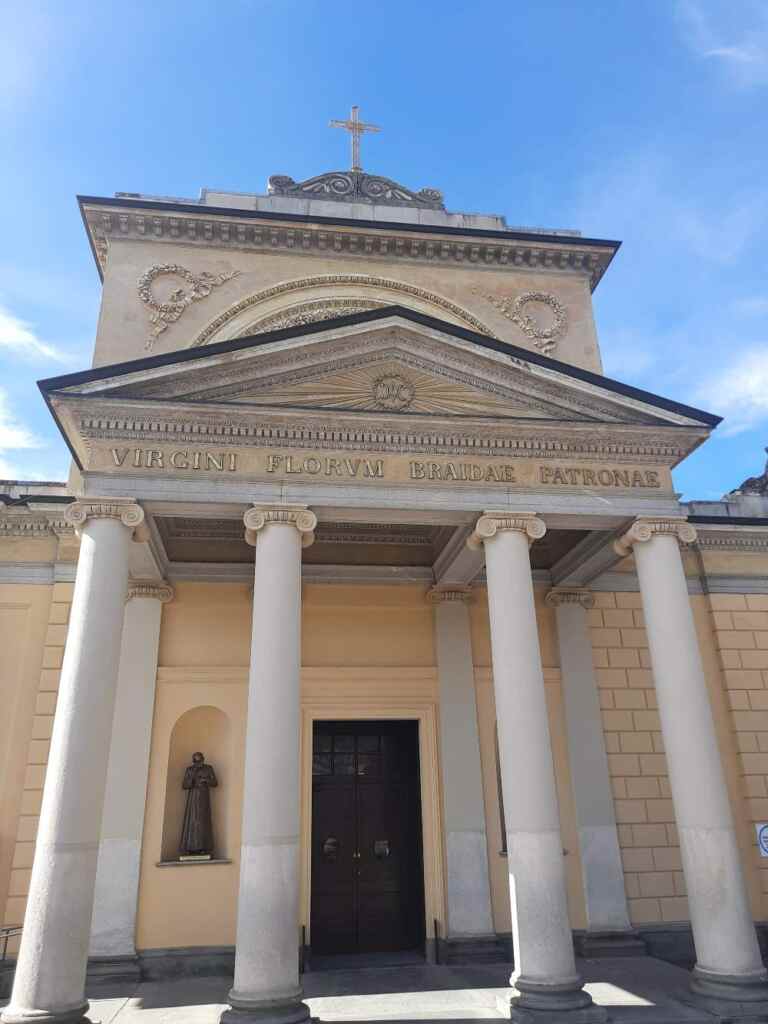
@RebeccaManzi/GreenMe
Crossing the threshold of this place of worship means immersing yourself in an atmosphere of profound peace, admiring works of sacred art, richly decorated altars and the crypt which collects centuries of pilgrims’ prayers and hopes.
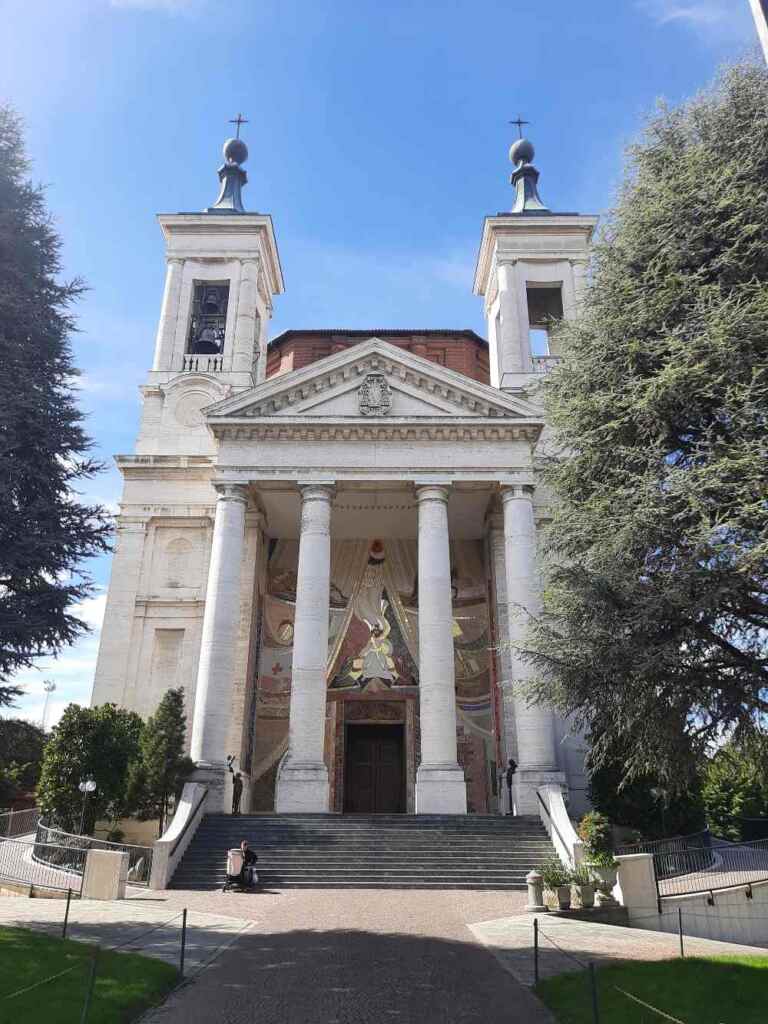
@RebeccaManzi/GreenMe
Mondovì: the city of time, of hot air balloons and large domes
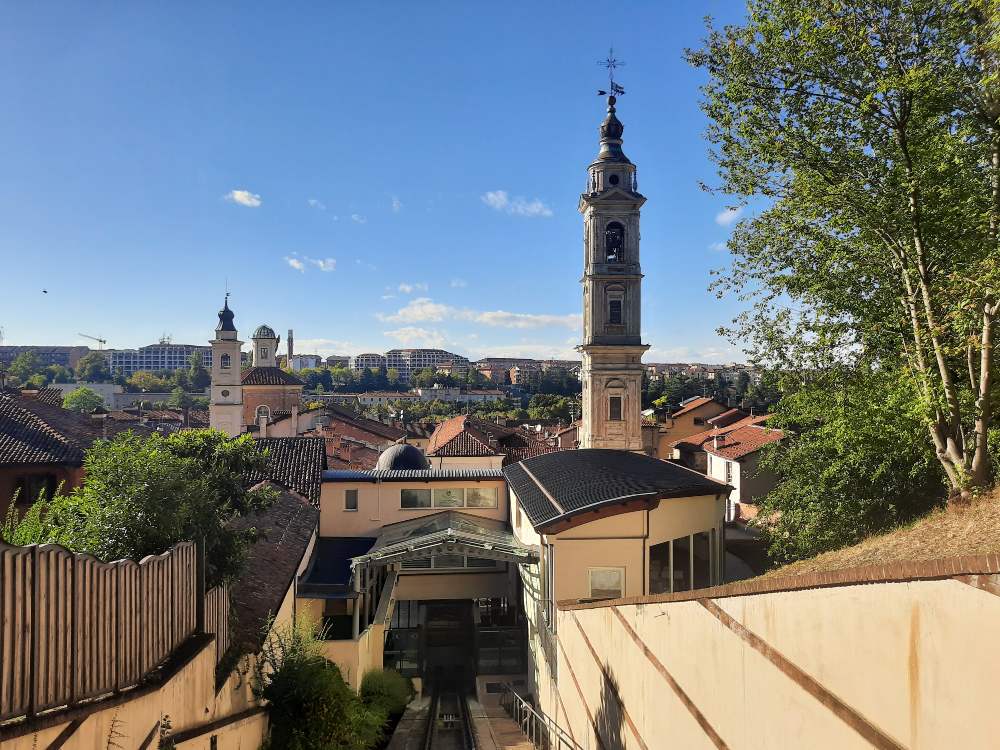
Moving towards Mondovì, we discovered a gem divided into two souls perfectly connected by the historic funicular and famous throughout the world for the hot air balloons that color the skies.
@RebeccaManzi/GreenMe
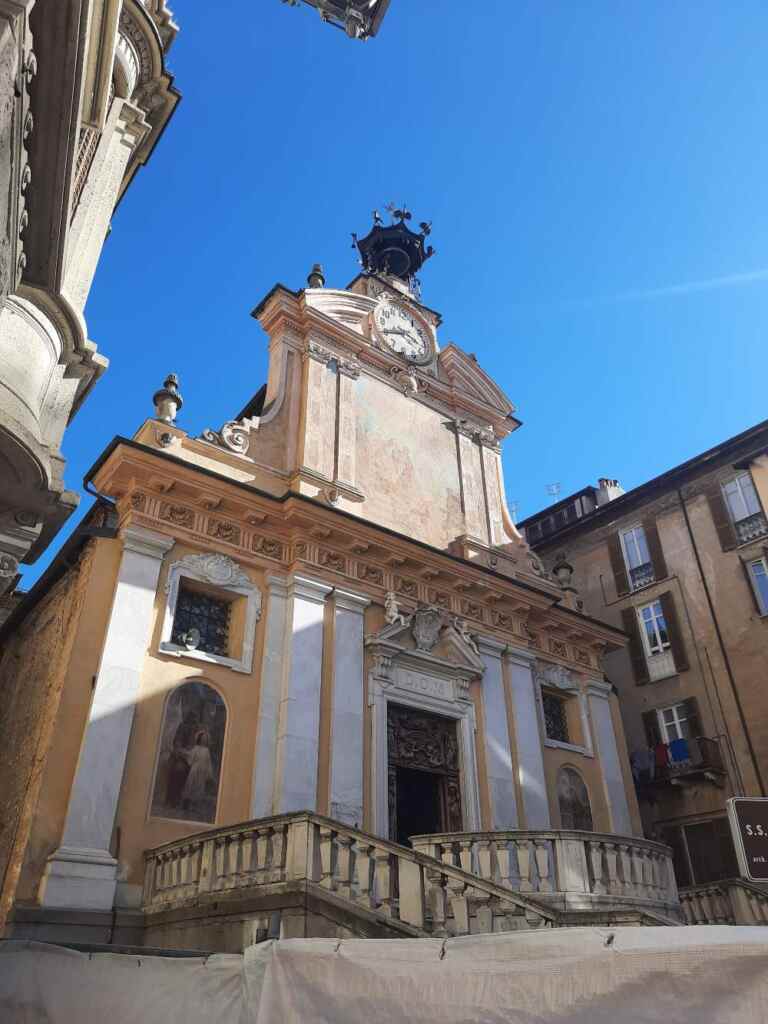
We first entered the lively district of Breo, where the splendid Church of Saints Peter and Paul stands, a magnificent religious building located in the square of the same name which immediately catches the eye with its elegant façade and its interiors rich in history and works of sacred art.
@RebeccaManzi/GreenMe
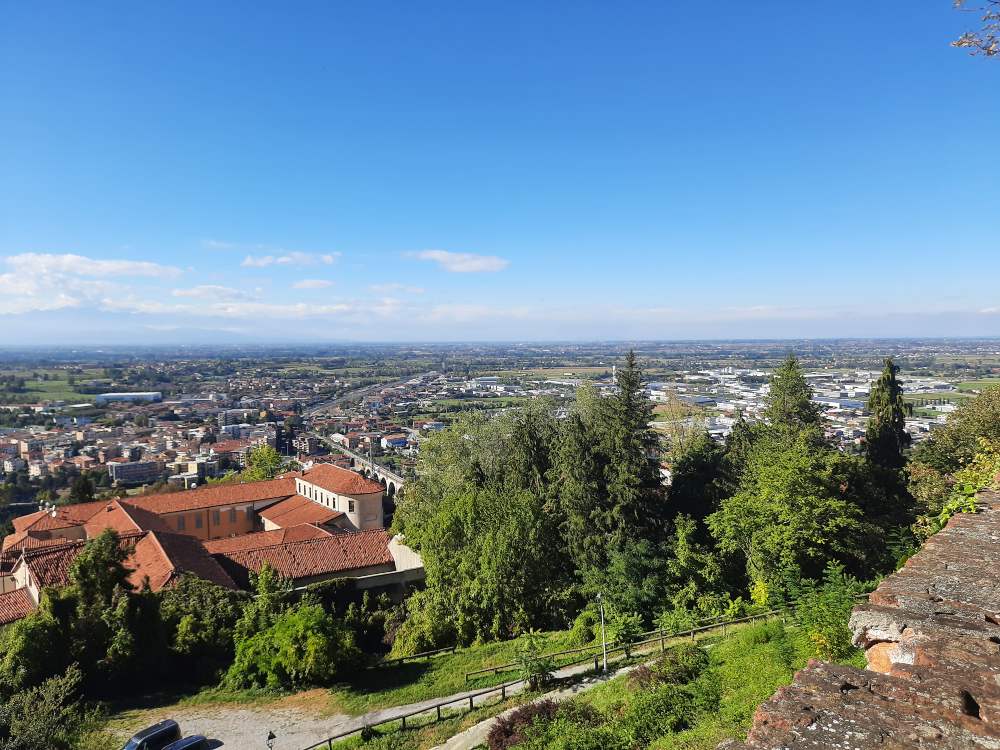
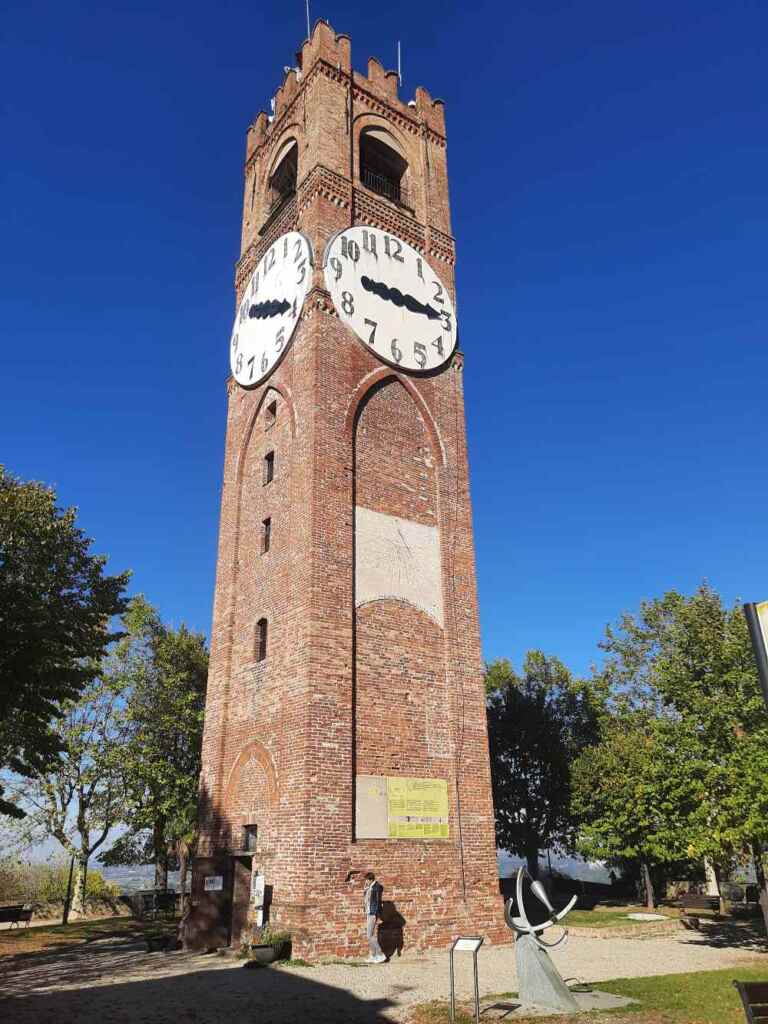
Then going up towards Mondovì Piazza, the ancient upper part of the city, we were enchanted by the panorama of the Belvedere with its Civic Tower which offers an unparalleled view of the entire Alpine range and by the architectural treasures that embellish the area.
@RebeccaManzi/GreenMe
@RebeccaManzi/GreenMe
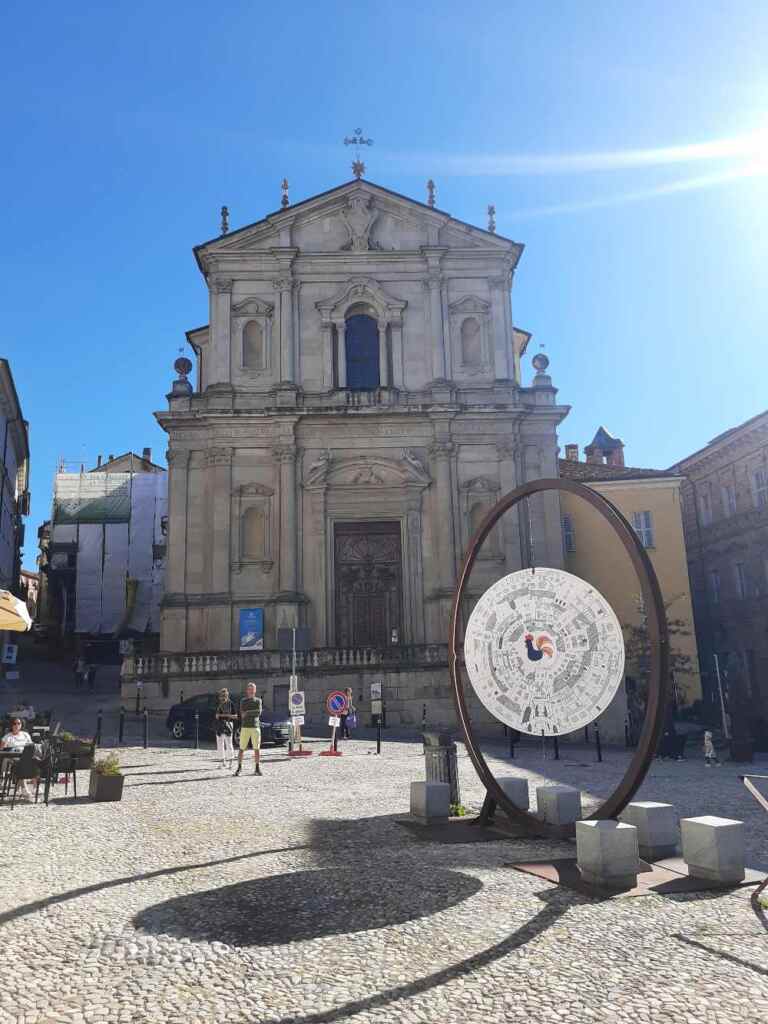
Among these, the extraordinary Church of San Francesco Saverio stands out, universally known as the Church of the Mission, located right in Piazza Maggiore. Crossing the threshold of this baroque jewel means being literally breathless: the interiors are a spectacular triumph of frescoes and perspective illusions created by the famous Andrea Pozzo, a trompe-l’œil masterpiece that simulates a fake dome and celestial geometries of unparalleled visual power.
@RebeccaManzi/GreenMe
Fossano and the magnificent Castle of the Princes of Acaja
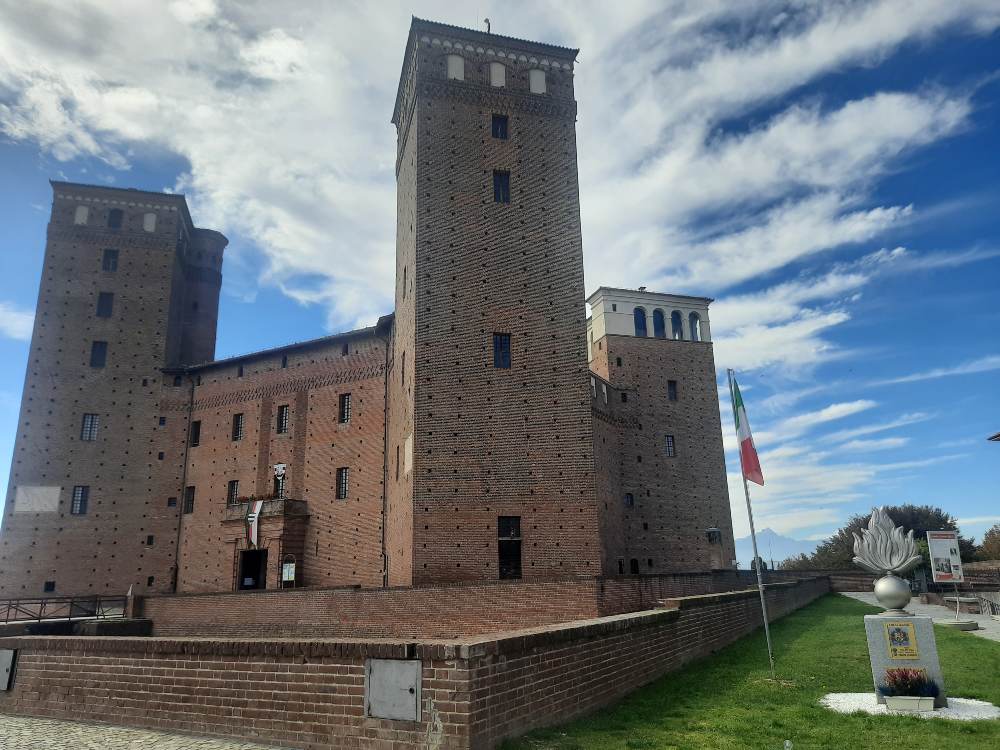
Our itinerary ended in Fossano, a town capable of surprising in every corner of the province of Cuneo. Walking along Corso Emanuele Filiberto up to Piazza Castello, we entered the heart of the fortification built between 1324 and 1332 by Philip I of Acaja using over three million bricks. We explored the Civic Library and the fascinating Sala delle Grottesche, admiring the ceilings painted by the Flemish painter Giovanni Caracca and climbing to the top of the panoramic tower.
@RebeccaManzi/GreenMe
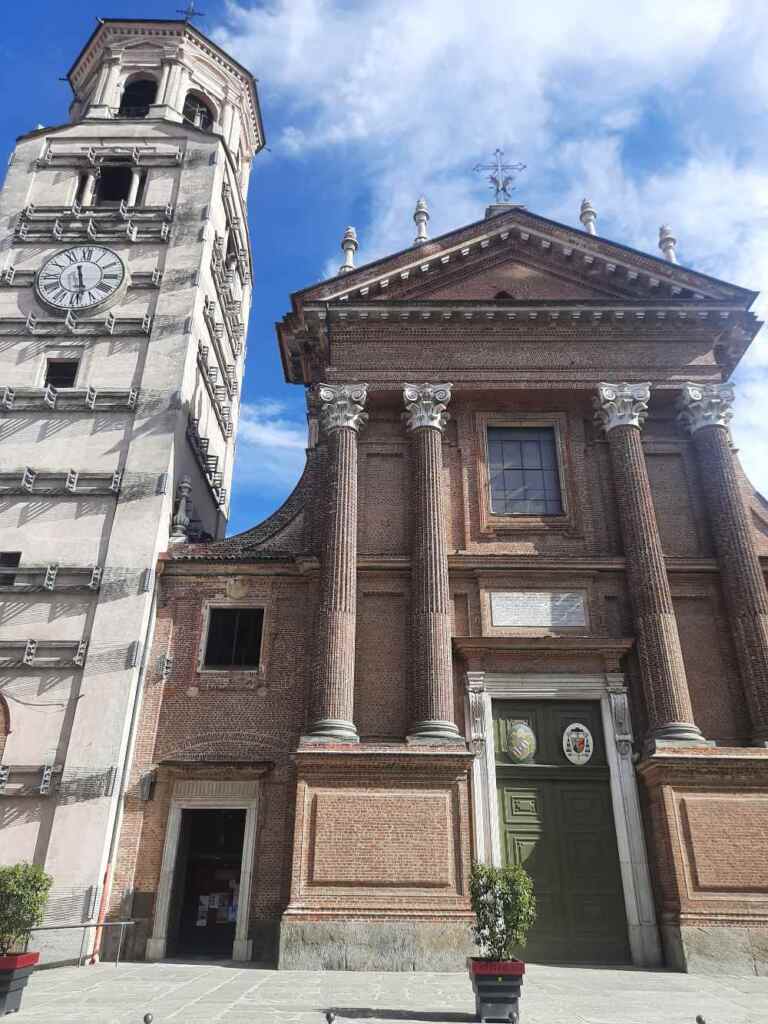
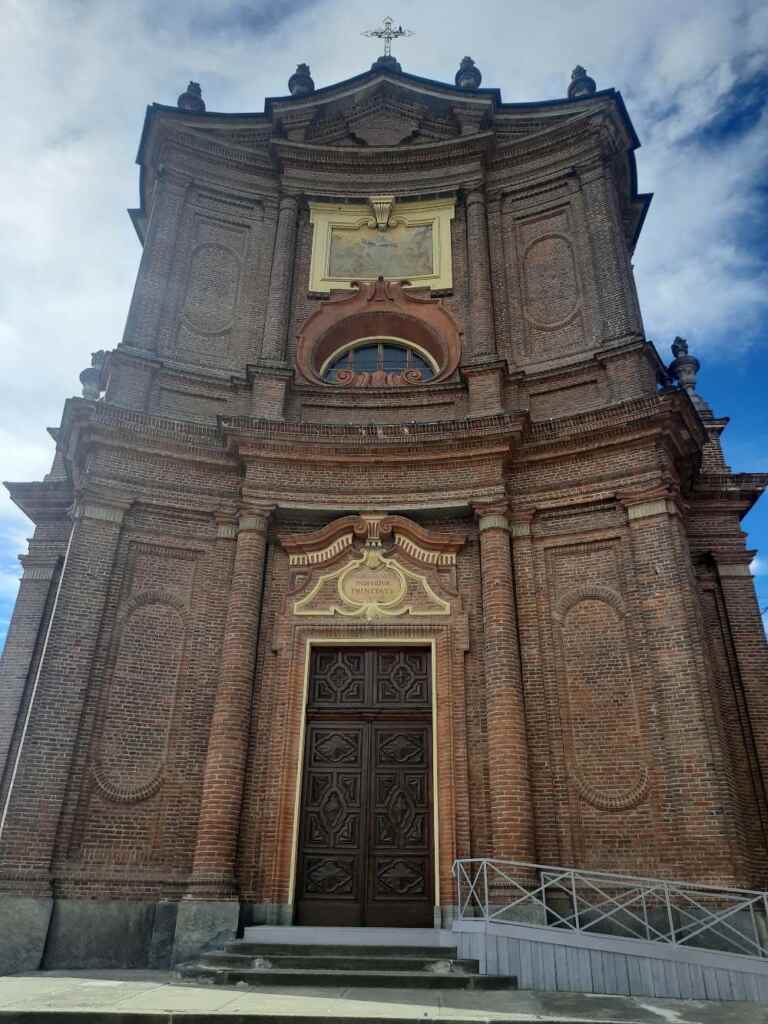
The walk continued along Viale Bianco and the Bastione del Salice, and then immersed ourselves in the lively Via Roma, dominated by the majestic Cathedral of Santa Maria and San Giovenale and the splendid baroque façade of the Church of the Battuti Rossi. Our trip is therefore over, but we returned home bringing with us an indelible memory of breathtaking Alpine views, scents of vineyards and the warm welcome of an authentic Piedmont that preserves history and beauty in every single glimpse.
@RebeccaManzi/GreenMe
@RebeccaManzi/GreenMe
