
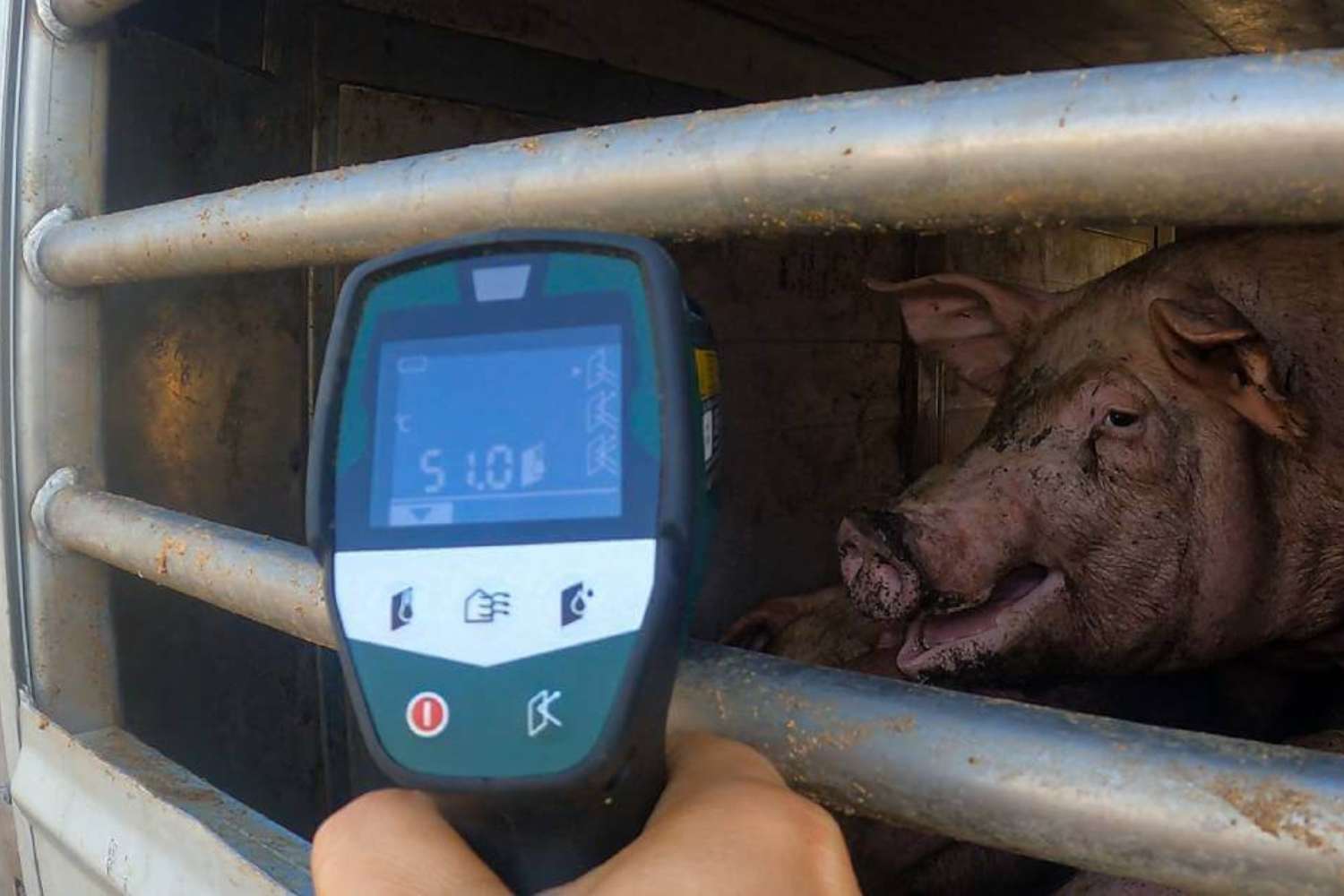
The long cross-border transfers of livestock represent one of the most controversial and painful pages of the global livestock sector. For the World Day against the Export and Long Distance Transport of Live Animals on 14 June, over 130 acronyms and academics from 33 countries have signed an appeal to WOAH, the World Organization for Animal Health. You can find the letter at this link.
The international coalition, led by the Compassion in World Farming (CIWF) foundation and supported in Italy by historic bodies such as LAV, LAC and Animalisti Italiani, calls for a decisive reversal of direction. The primary objective is to take advantage of the historic revision of transport recommendations to mark the end of trade routes deemed unsustainable. In Europe alone, in fact, over one and a half billion animals are forced to face hellish journeys every year.
The dramatic health conditions and disasters on the open sea
The fulcrum of the dispute lies in the extreme obsolescence of the current international guidelines, stuck over twenty years ago and considered incompatible with the most recent scientific evidence. The signatories denounce a routine of overcrowding, extreme temperature changes, chronic dehydration and physical injuries along road and sea journeys that last for weeks or months.
Sewage and feces accumulate in the narrow spaces of trucks and cargo ships, while poor ventilation affects the immune systems of livestock. Last May alone, the collapse of this mechanism caused the death of as many as four thousand sheep and goats off the coast of Oman. Added to this daily deprivation are the geopolitical and ecological risks linked to the naval routes that intersect areas of war conflict.
Vessels loaded with cattle and sheep frequently become stranded at sea due to customs rejections or internal epidemics, depriving the animals of recognizable food or clean water. The signatory associations also highlight how the promiscuity and poor hygienic conditions of these trips constitute a perfect incubator for the cross-border spread of zoonotic pathogens, putting the health safety of operators in the sector and the global population at serious risk.
View this post on Instagram
The commercial transition towards meat and legislative precedents
The open letter written by spokesperson Peter Stevenson highlights how the entire logistics system can be promptly converted into a safer and more civilized economic model. Experts suggest replacing the transport of live animals with the trade of carcasses, processed meat, milk powder and genetic material, such as embryos and seminal fluid intended for reproduction in the destination countries.
This industrial restructuring would eliminate the biological costs and the recurring shipwrecks of fishing vessels adapted to floating stables, which historically decimate thousands of specimens and endanger the safety of the crews themselves.
On the legislative front, the international scenario is already showing the first important signs of the collapse of the old system. In 2024, Great Britain introduced a complete ban on exports for fattening or slaughter purposes, followed by restrictive reforms in New Zealand and the imminent stop to sheep transport by sea established in Australia. Germany has also revoked veterinary certifications for various commercial categories directed towards third countries. The ball now passes to the 183 delegates of the WOAH Code Commission, called to translate the principles of animal welfare science into binding regulations.
You might also be interested in:
