
The Government approved the bill at first reading in the SenateAgri-food protection”, presented as a tool to defend the quality of Made in Italytraceability and public health. But behind this declaration of intent are hidden measures that could hit the plant-based sector.
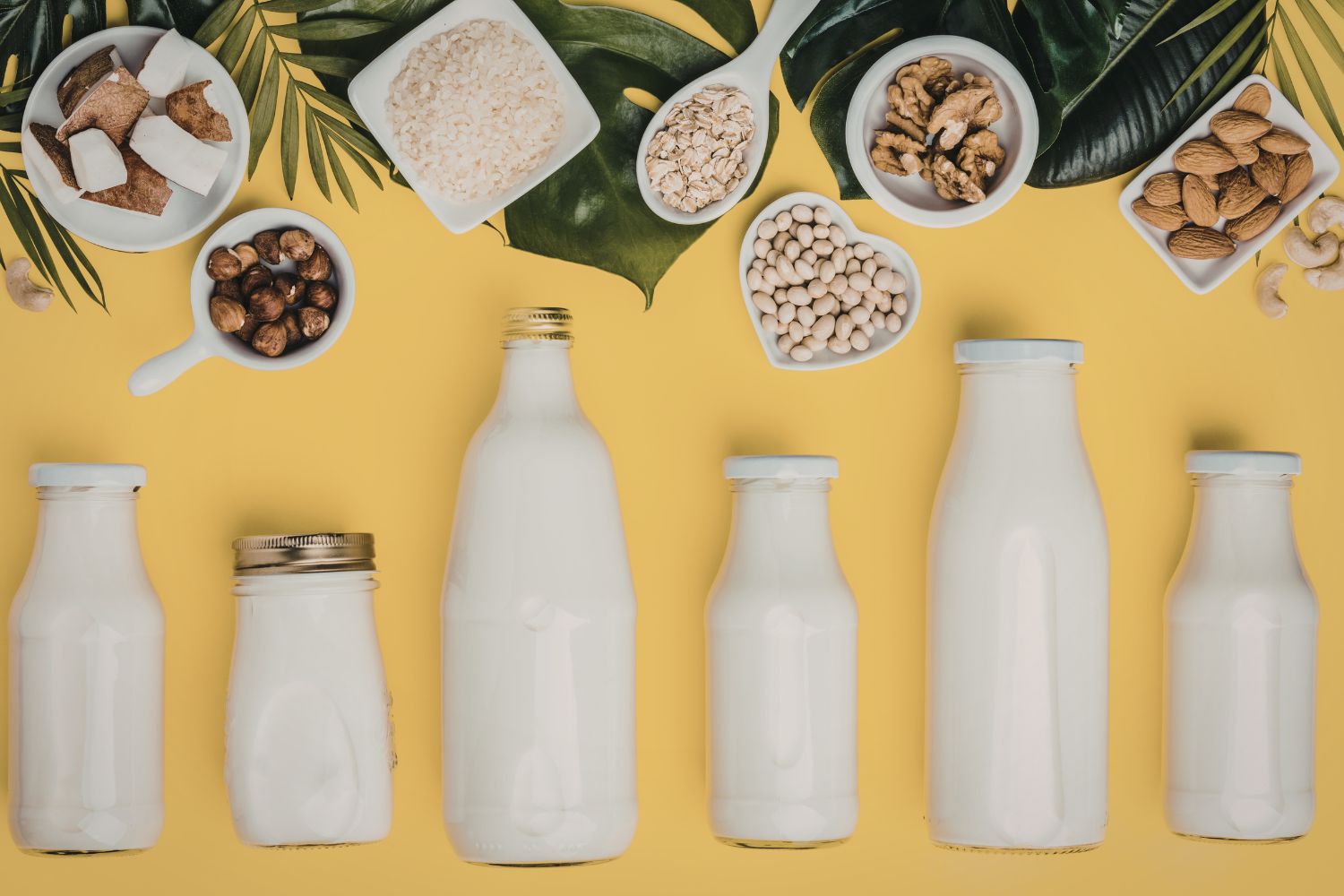
Among the most criticized rules is article 9, which introduces heavy sanctions against the use of terms “milk-sounding“in plant products, such as “milk” or typical names of the dairy sector – even when the plant origin is clearly indicated. We are talking about fines ranging from 4,000 up to 32,000 euros, or equal to 3% of the annual turnover.
This measure repeats an attempt already carried out at European level, where the EU Commission had recalled that the protection of deadlines is already regulated by Directive 2006/114/EC. Despite this, the Government insists on a line that appears more ideological than technical.
According to YouGov Shopper data, over 15 million Italian families purchased plant-based products in 2024, with a penetration of 59.3%. The market for vegetable “milks” and “cheeses” reached 410 million euros in the last year alone.
Yet, instead of supporting food innovation and more sustainable alternatives, the Bill seems to exclusively protect the traditional livestock sector.
The planned measures clearly aim to hinder the production, trade and consumption of plant-based alternatives – say LAV. It is an unmotivated and disproportionate intervention, which penalizes more ethical and sustainable food choices. The fact that it is presented as protection of Made in Italy is misleading: it is above all small producers and the natural evolution of the market that are at risk. We will continue to work so that plant-based becomes the true food alternative of the future, from every point of view.
Fishing
The provision also intervenes in the fishing sector, reviewing the sanctioning system for illicit behavior (such as fishing without a licence, in prohibited areas or beyond the permitted limits). The risk reported by the associations is that this remodulation will end up weakening the deterrent effect of the rules, compromising the protection of marine ecosystems.
What do we risk
The Associations tell us this clearly:
The request of the associations
The associations ask that Article 9 be completely eliminated, abandoning a punitive logic towards plant-based alternatives and focusing regulatory intervention on real emergencies: conditions of animals on farms, environmental impact, evolving markets.
Because if the goal is truly to protect public health and the future of our food system, blocking sustainable alternatives is not the right path.
