
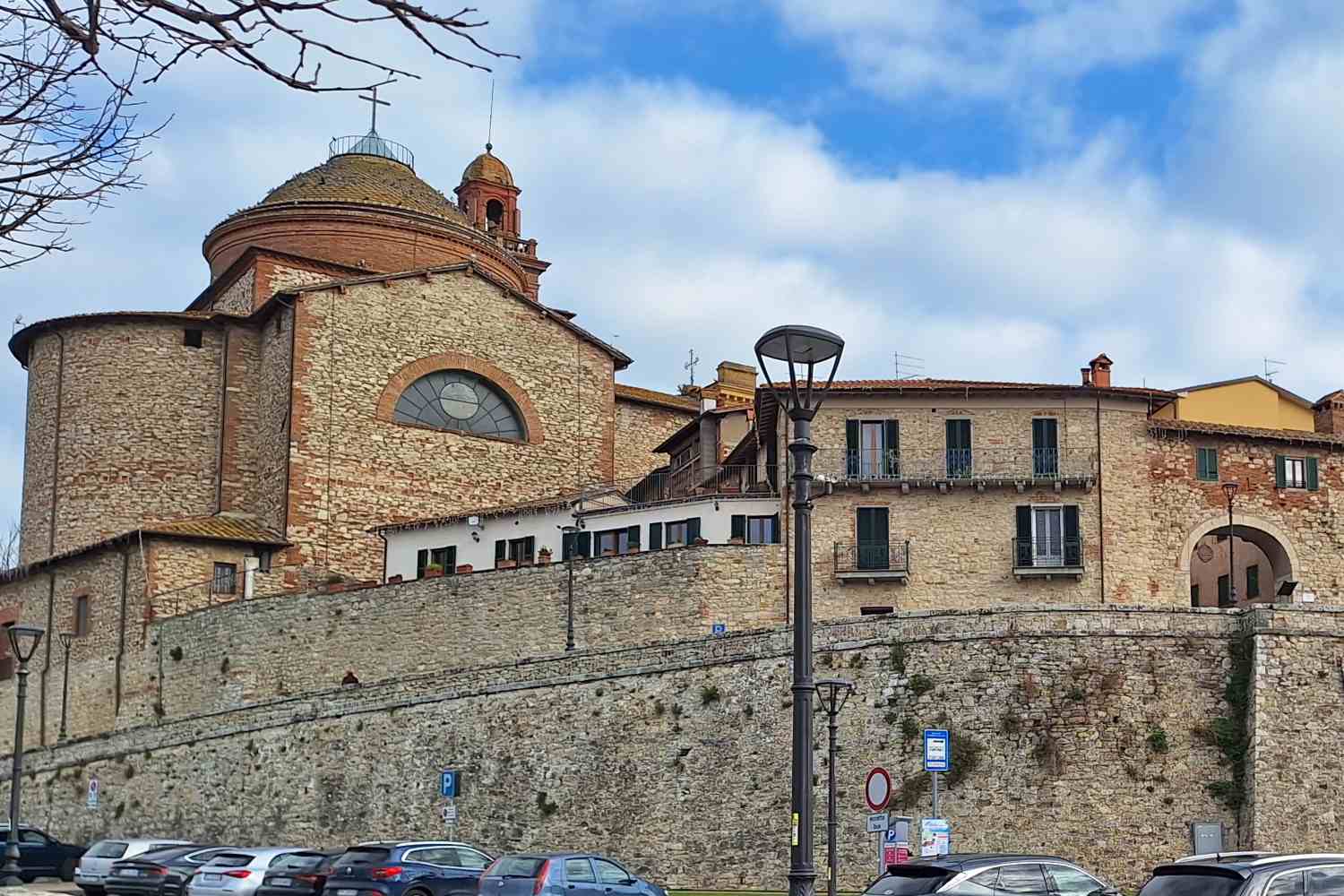
Nestled on a limestone promontory overlooking the calm waters of Lake Trasimeno, Castiglione del Lago reveals itself to be an authentic natural balcony. During our itinerary in Umbria, we were fascinated by this ancient fortified village. The access gate for our route were its historic entrance gates – Porta Perugina, Porta Fiorentina and Porta Senese – which still today guard and delimit a maze of cobbled alleys designed in the sixteenth century inspired by the architectural canons of Vignola.
@RebeccaManzi/GreenMe
The Renaissance and the treasures of Palazzo della Corgna
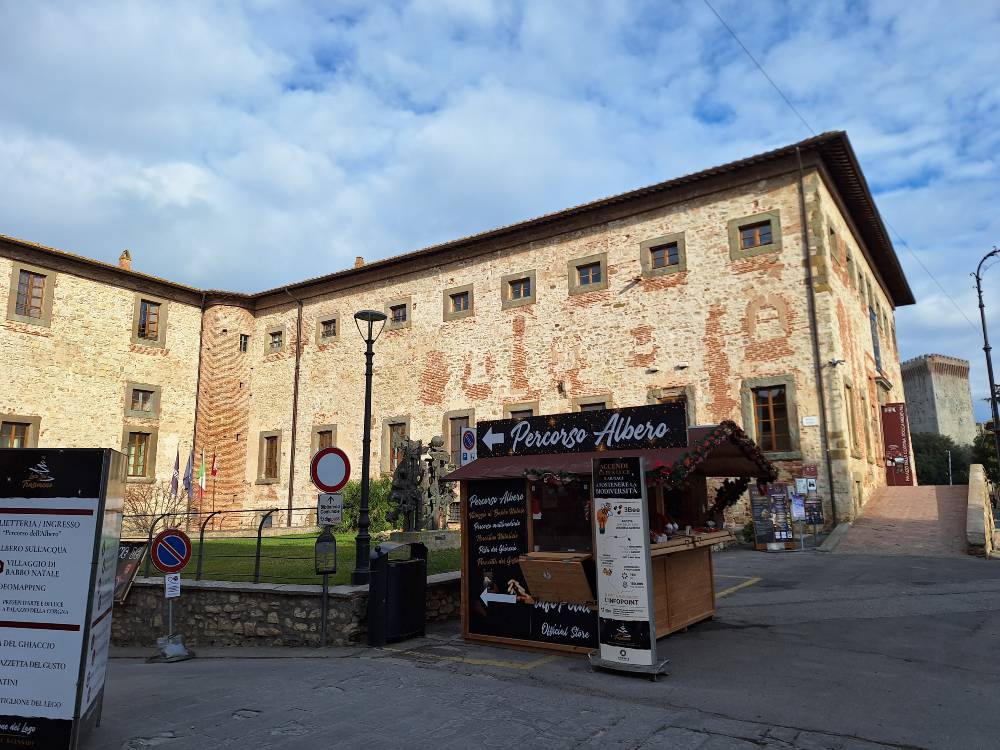
Walking in the heart of the historic center we headed to Piazza Gramsci to visit the magnificent Palazzo della Corgna. Designed by architects of the caliber of Giacomo Barozzi da Vignola and Galeazzo Alessi, this sixteenth-century noble complex surprised us with the richness of its interiors. Walking through the eight rooms of the main floor, we admired the extraordinary cycles of frescoes created between 1574 and 1590 by the workers led by Niccolò Circignani known as Pomarancio and his pupil Salvio Savini. The paintings celebrate the deeds of the Marquis Ascanio della Corgna, intertwining historical episodes and mythology, up to the singular depiction of World upside down kept in the section of the municipal library.
@RebeccaManzi/GreenMe
From the Sala di Cesare to the Rocca del Leone through the covered walkway
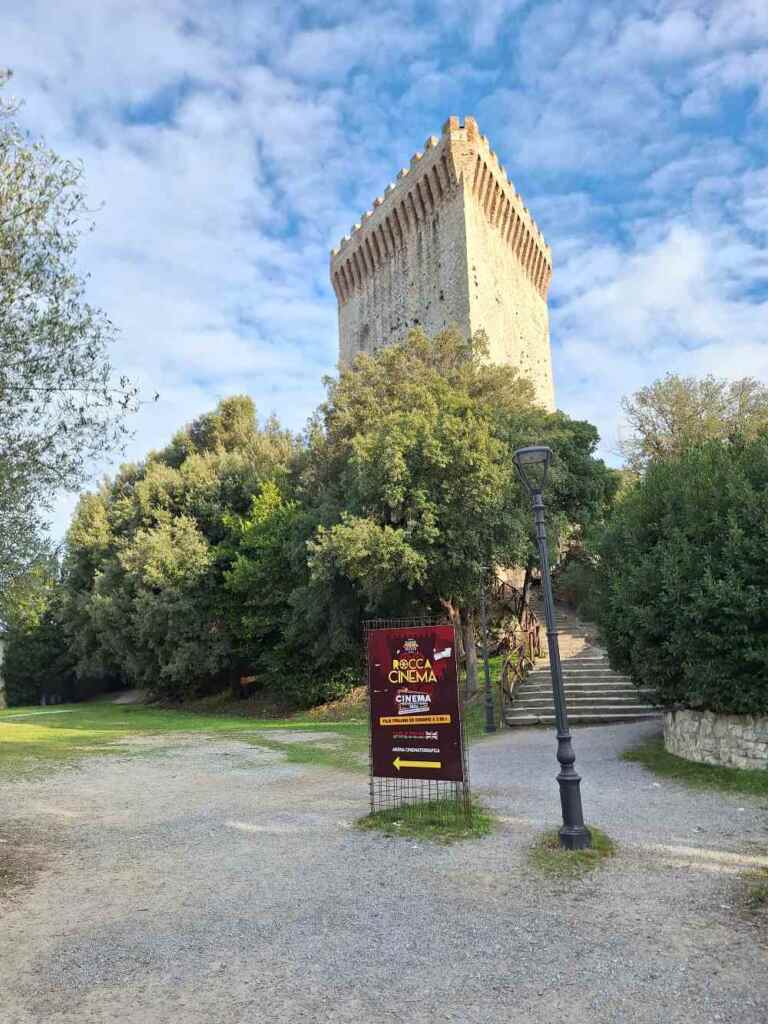
From the suggestive Sala di Cesare we took a covered walkway overlooking the waters which led us directly to the Rocca del Leone, also known as the Lion’s Castle. This imposing medieval fortress with an irregular pentagonal plan, designed in the fourteenth century also thanks to the intervention of the Sienese architect Lorenzo Maitani, dominates the landscape with its triangular keep almost forty meters high.
@RebeccaManzi/GreenMe
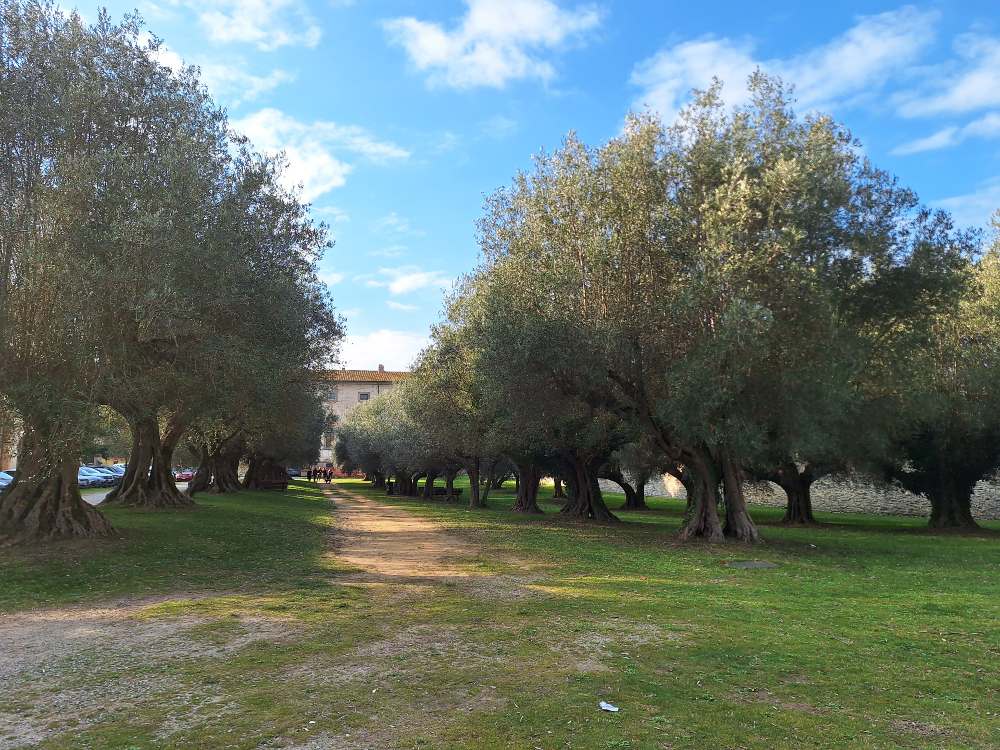
Walking along the Guelph-style crenellated walls and the four watchtowers, we enjoyed a unique panoramic view that ranges from Cortona to Panicale. The park of the fortress is also beautiful, with enormous centuries-old olive trees.
@RebeccaManzi/GreenMe
The historic churches of the village
Our journey continued among the places of worship of the village. We visited the neoclassical Church of Santa Maria Maddalena, inside which the Altarpiece of the Madonna and Child of Eusebio da San Giorgio and the Madonna del Latte of the Orvieto school. Not far away, we stopped at the baroque Church of San Domenico di Guzman, built in 1636 by will of Duke Fulvio Alessandro della Corgna as a vow for the recovery of Duchess Eleonora de Mendoza.
Piazza Mazzini: the beating heart and central fountain of the village
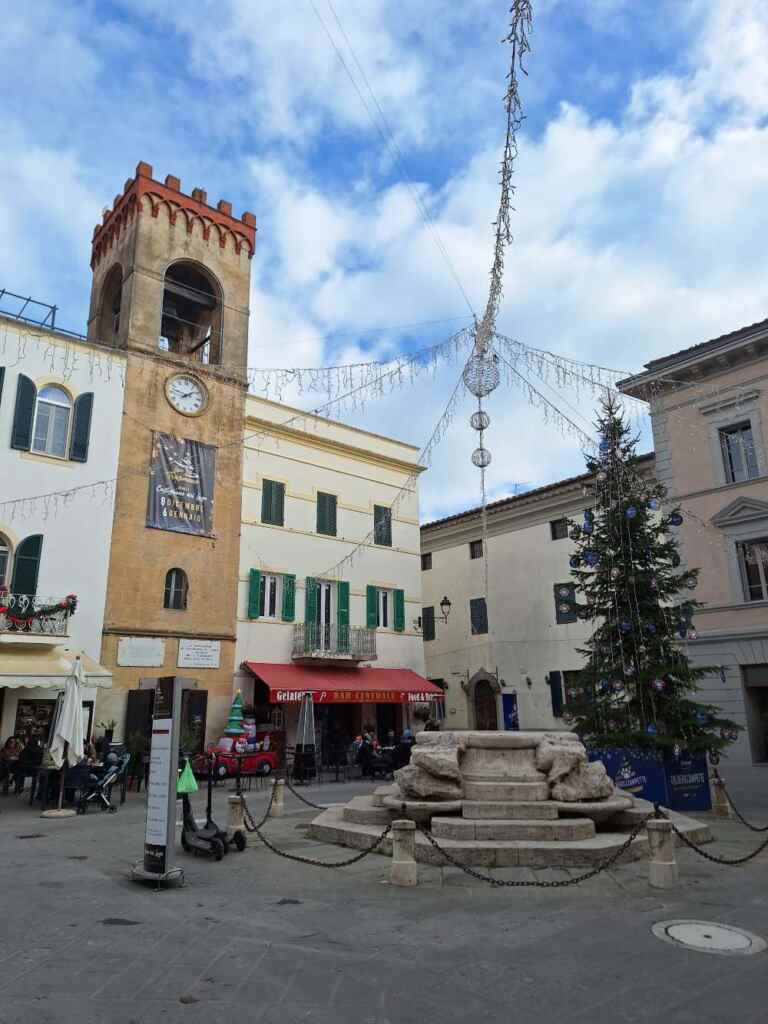
Immersing ourselves even more in the urban fabric of the village, we arrived in Piazza Mazzini, considered the real living room and beating heart of Castiglione del Lago. In the center of the square stands a characteristic central fountain, while the gaze is inevitably captured by the silhouette of the Palazzo del Capitano del Popolo, with its clock tower and watch bell. We treated ourselves to a pleasant break among its outdoor tables, sipping a glass of local wine and admiring the historical signs that show how the square looked in the past, for a real dive into time in this enchanted corner overlooking Lake Trasimeno.
@RebeccaManzi/GreenMe
Christmas and the magic of the lights on Trasimeno
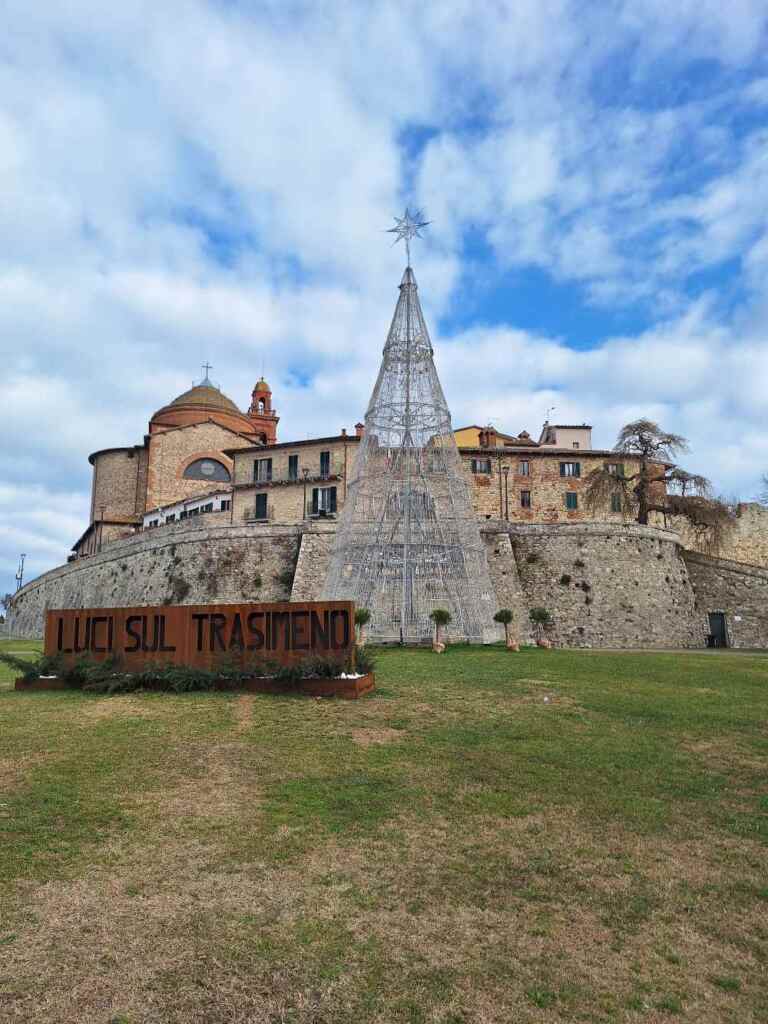
We were lucky enough to visit the village in winter, the best period in which it can offer unique emotions. During the Christmas holidays, in fact, Castiglione del Lago transforms into an enchanted place thanks to the Luci sul Trasimeno event, which animates the entire historic center with spectacular light installations and one of the largest Christmas trees on water in the world drawn directly on the surface of the lake. Walking among the festively lit ancient walls gave us a warm and evocative atmosphere, capable of combining the magic of Christmas with the timeless beauty of the Umbrian landscape.
@RebeccaManzi/GreenMe
