
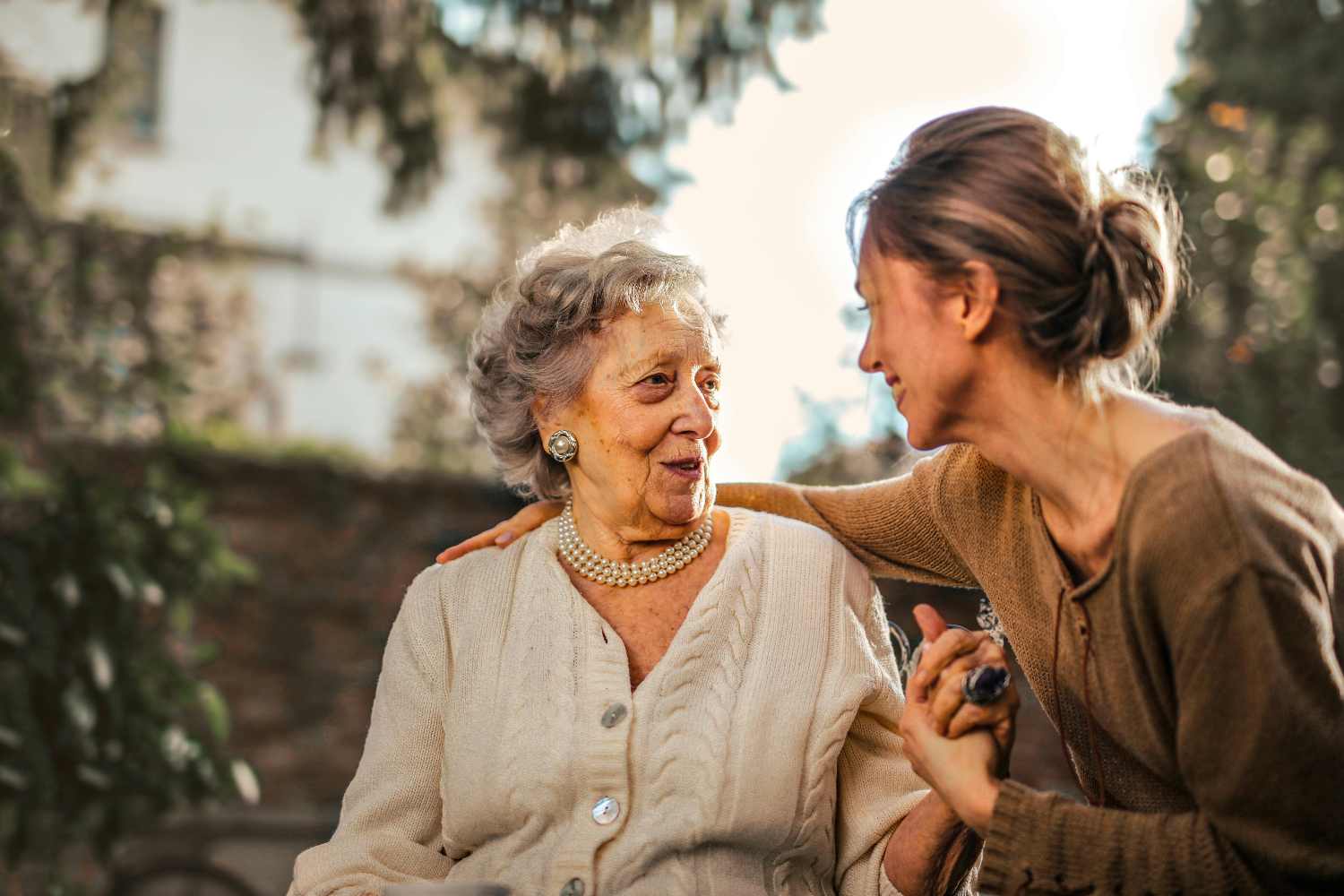
In an era in which young and elderly often live separatelyeach closed in its own generational “bubble”, a Dutch initiative tries to mend the social fabric thanks to an idea as simple as it is effective. A Deventer, in the Netherlands, the retirement home Humanitas has started an innovative program: host university students for free within the structure, in exchange for a few monthly hours dedicated to Company of elderly guests.
The students, in the face of a Free accommodationcommit themselves to dedicating at least 30 hours a month to socialization activities with the residents of the retirement home. This means sharing meals, looking together sporting events, celebrating birthdays or even just being in the most difficult moments, as during a disease. A presence that, according to the same managers of the project, contrasts social isolation And it offers the elderly a real window on the outside world.
An investment for the whole company
In addition to improving the quality of life of the elderlythe project has educational implications also for students. These young people, coming from local universities, learn not only to relate to a generation away from their own, but also to transmit digital skills such as the use of emails, social media or video call platforms. In some cases, they also try their hand at creative activities such as urban art or shared reading.
Similar experiences are also spreading in other European cities, such as Lyon, Barcelona or Cleveland (Ohio), a sign that the model has a replicable potential. In England, for example, similar academic projects offer students of English literature The possibility of reading Alzheimer’s sick poems, stimulating dormant emotions and memories.
This form of solidarity cohabitation It represents an opportunity for growth for both age groups. Students discover new life prospects, while the elderly rediscovers a sociality that is often lacking. In addition, these initiatives also have a environmental and social valuereducing the need for new buildings e optimizing spaces already existing.
The success of the Dutch model shows that uniting the forces between generations is not only possible, but deeply beneficial. A small gesture of coexistence can translate into a Great cultural change Which is good for the boys and our elderly.
