
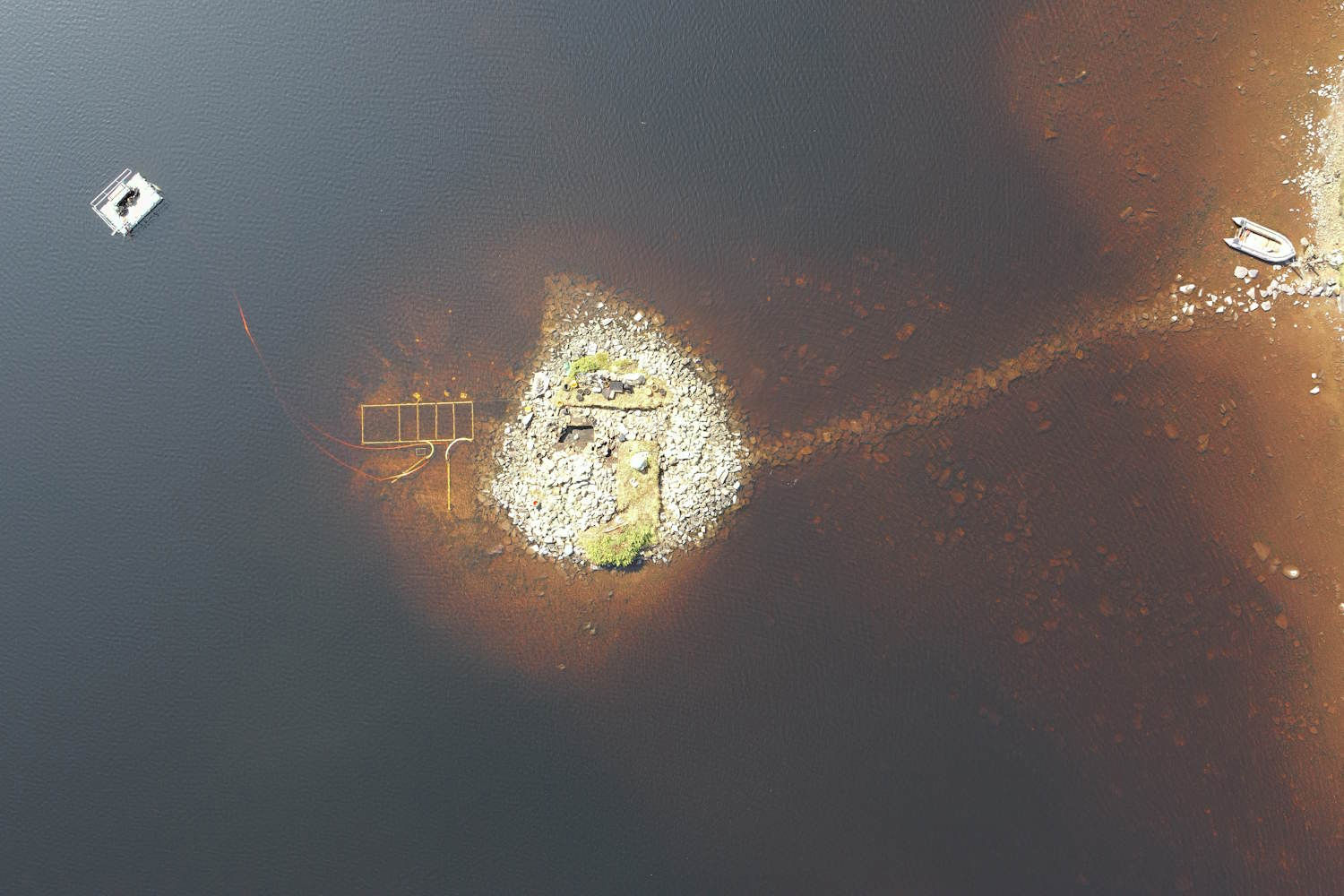
A research group led byUniversity of Southampton (United Kingdom) discovered the existence of a crannog from 5 thousand years ago. The structure, aartificial island probably once used as a lakeside home, now submerged, it is older than Stonehenge.
What are crannogs
THE crannog they are actually structures already known to science, almost always found in Scotland and in Irelandbut until now they were considered typical ofIron Age or of Middle Ages: only today, with this discovery, their dating goes back to Neolithic.
Crannogs are small artificial islands that generally date back thousands of years – explains Stephanie Blankshein, co-author of the work – Hundreds of them are found in Scotland’s lochs and many remain unexplored or not yet discovered. Although crannogs have long been thought to have been built, used and reused mainly between the Iron Age and post-medieval periods, we now know that some were built much earlier, during the Neolithic, between 3800 and 3300 BC
How the Loch Bhorgastail crannog was found
The archaeologists, in collaboration with theUniversity of Readingthey examined the crannog In the Loch Bhorgastail, on theIsle of Lewis (this time too Scotland), to reveal a structure built more than 5,000 years ago.
Their field work brought to light in particular a layered construction of wood and brushwood under the stone roof of the island, in fact a large wooden platform hidden under what today appears as astone islandas well as hundreds of Neolithic pottery fragments submerged in the surrounding waters.
The discovery occurred through a technique called stereophotogrammetry capable of documenting the artificial island above and below the water level as a single continuous structure, thus obtaining a perspective that would not have been possible with terrestrial or underwater surveys alone.
Among other things, the technique is generally not used in shallow water (less than 1 meter), as in this case, because fine sediments, rough sea conditions, floating vegetation and distorted or reflected light hinder imaging.
To solve this problem, the researchers then used two small waterproof cameraswith low-light performance and a wide field of view, fixed at a pre-established distance on a frame: this “stereo” method allowed archaeologists to obtain a precise overlapping of imageshelping to compensate for any missing or noisy data.
What archaeologists discovered
But over the course of several years of excavations, also using traditional techniques such as core drilling, sophisticated topographic surveys and radiocarbon dating, archaeologists have also revealed the different stages of development of crannog Of Loch Bhorgastail.
Thus it was discovered that the structure was initially one circular wooden platformof about 23 meters in diameter, covered with scrub, and which about two thousand years later, during the average Bronze Ageanother layer of scrub and stone was added, before another phase of activity took place about a thousand years later, during theIron Agewhen a stone causeway, now submerged, led from the lake shore to the island.
Similarly, hundreds of fragments of Neolithic pottery have also been brought to light, such as different types of jars and bowls scattered in the surrounding water: this suggests that the site was founded by populations of this period, before the Bronze Age.
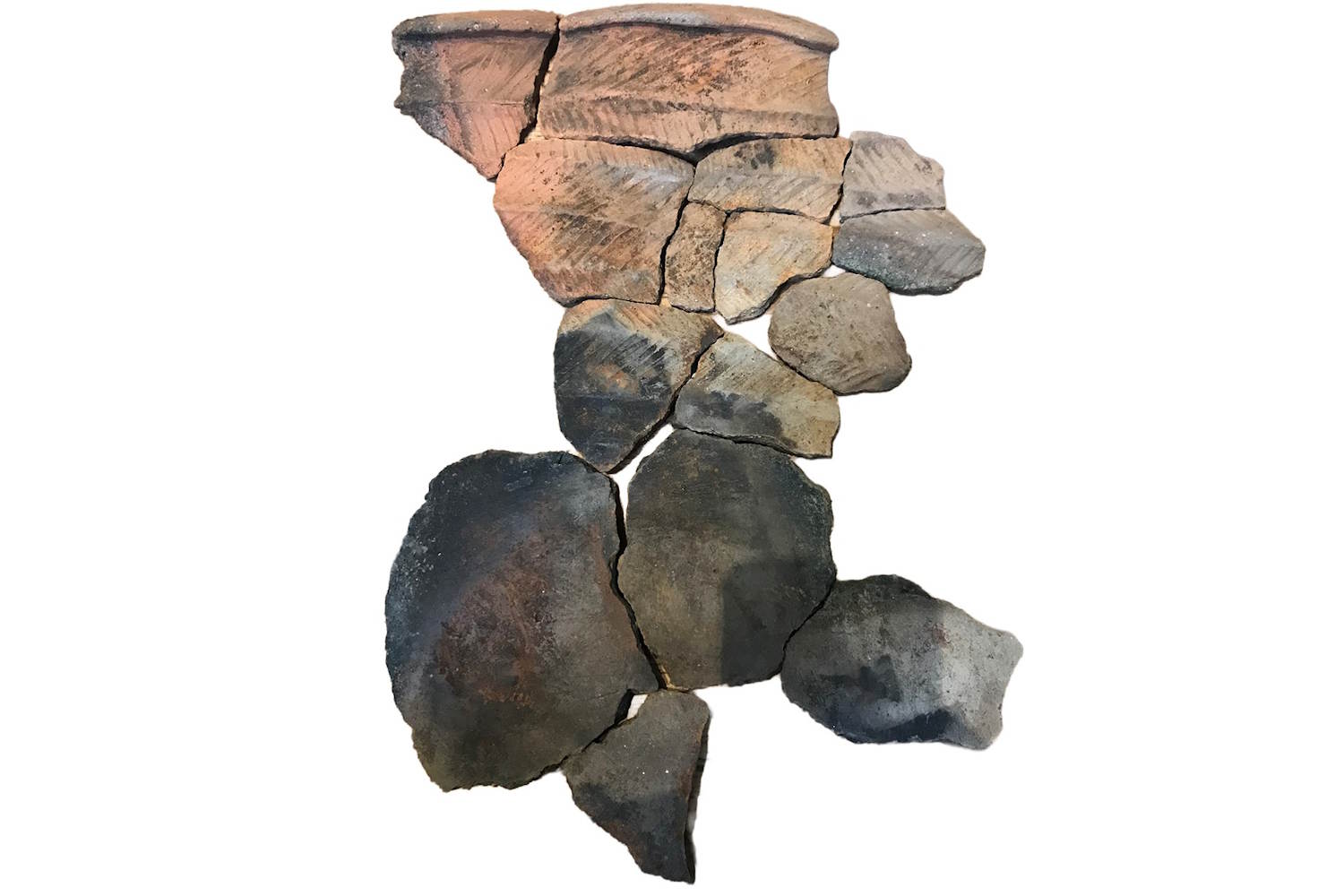
Although we still do not know exactly why these islands were built, the resources and manpower necessary for their construction indicate not only the presence of complex communities capable of such feats, but also the great importance of these sites – continues the archaeologist – Large quantities of ceramics, often still containing food residues, and of worked stone found on the islands and in the surrounding areas, suggest their use for community activities such as cooking or banquets
The study was published on Advances in Archaeological Practice.
Sources: University of Southampton / Advances in Archaeological Practice
