
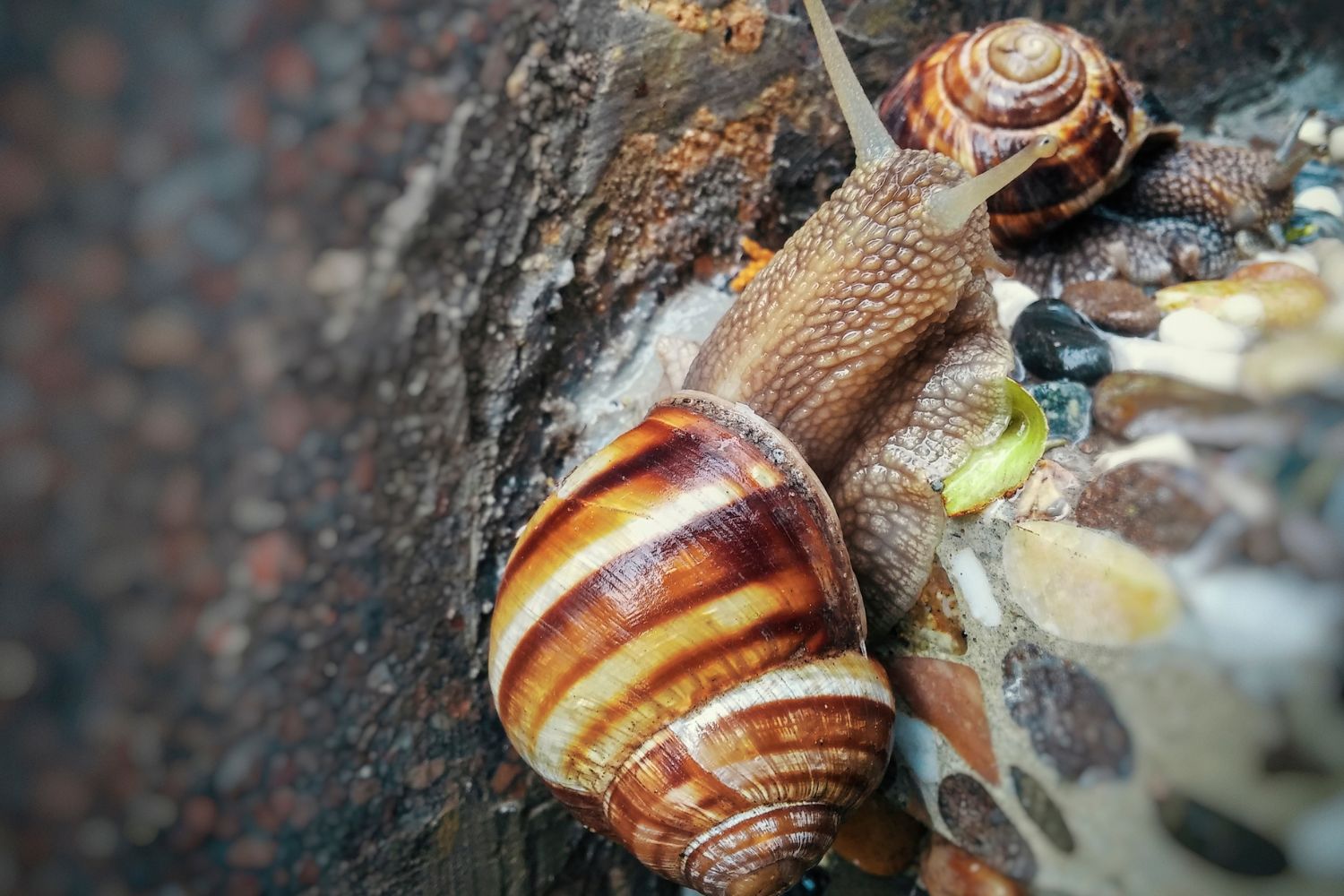
These snails “disappear” in the rain: they are theHypselostyla camelopardalis, originally from the Philippines, and the Reinia variegataJapanese, which, as emerges from a study led byUniversity of Tokyo (Japan), have developed a mechanism that makes them “invisible” to predators. And which over the course of evolution has proven to be particularly effective.
The species being studied are characterized in particular by light streaks that disappear in the rain and whose shell takes on a dark brown colour, similar to the damp bark of trees.
©Yoshimura & Sasaki (2026)
Researchers have demonstrated what lies behind this mechanism underlying this rare transformation of molluscs: the research has highlighted that the outermost layer of the snail shell is porous like a sponge, and that, when water fills the holes, it changes the way in which light is reflected, making a second, darker shell layer underneath more visible.
Traditionally, the coloration and structure of the shell of molluscs have been considered static characteristics, determined exclusively by pigments embedded in the calcified crystalline layers – explains Taro Yoshimura, first author of the work – Our study radically questions this consolidated paradigm, demonstrating that its appearance in real time based on environmental humidity. Witnessing how natural selection can push completely different organisms towards the same elegant evolutionary solution was an incredibly exciting discovery
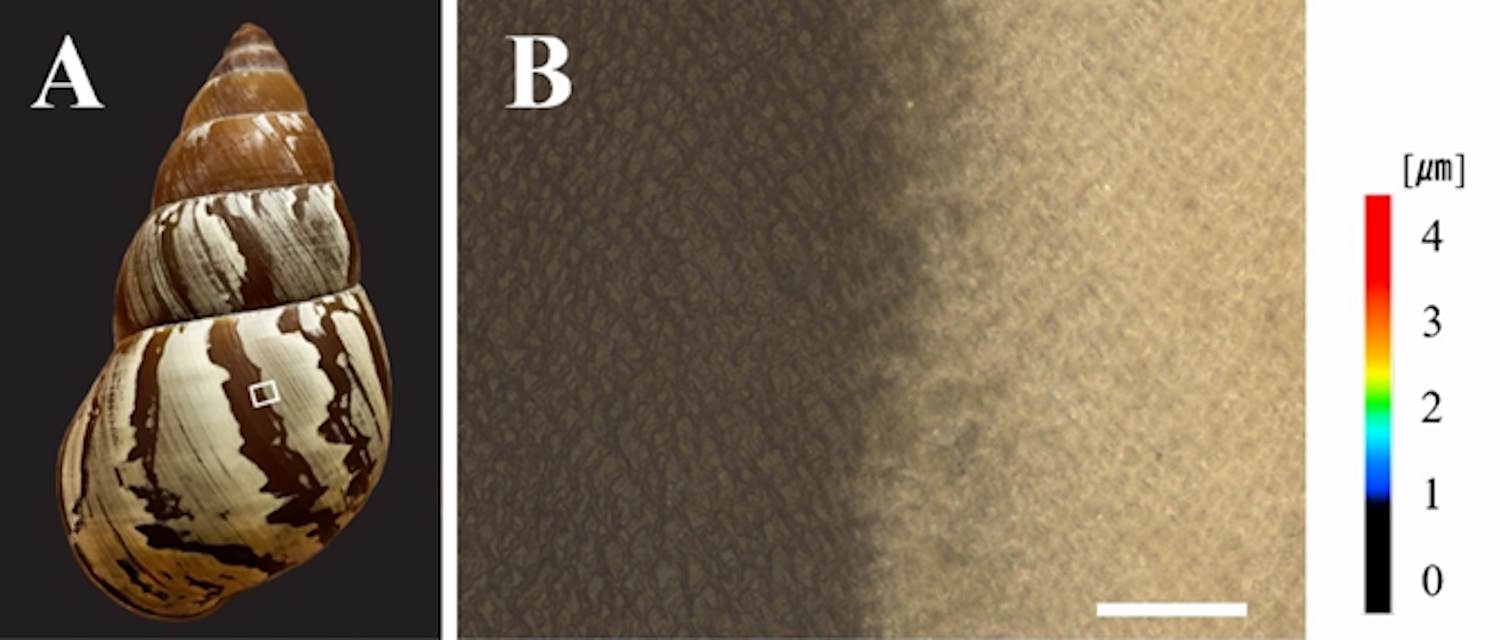
©Yoshimura & Sasaki (2026)
The discovery is not just a scientific curiosity that demonstrates – once again – the mechanisms that nature “unsheathes” to defend itself: the mechanism underlying dynamic mimicry could be useful for many sectors, from smart materials for the home to autonomous sensors for the environment or medicine, and for other industries, and also has potential applications for smart sensors and materials that react to humidity, without the need for external power.
The main advantage of the snail mechanism is the ability to autonomously change its optical properties in response to environmental humidity, without the need for any external energy source. My ultimate hope is to bridge the gap between evolutionary biology and materials science by translating nature’s zero-energy physical mechanisms into the practical development and commercialization of next-generation smart materials.
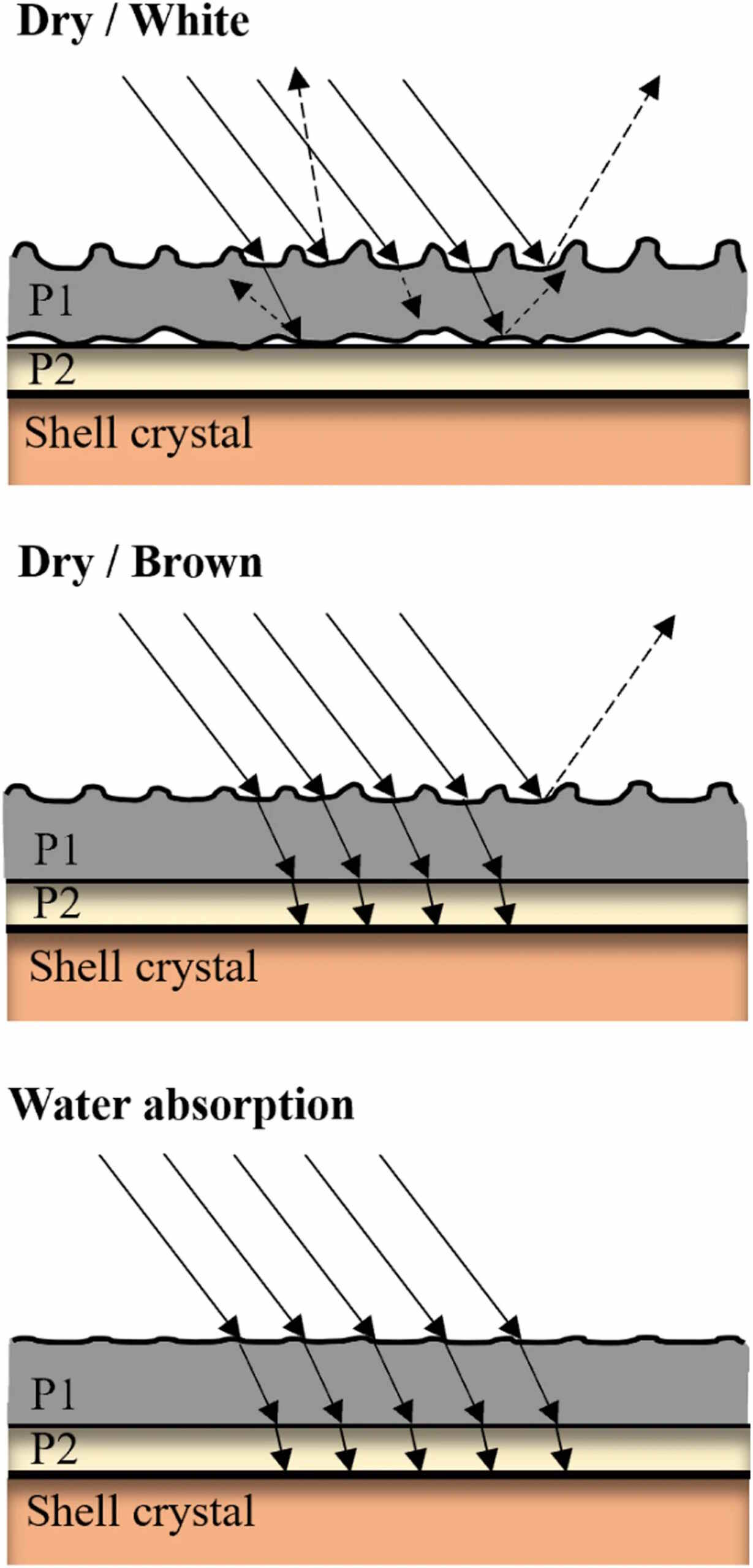
©Yoshimura & Sasaki (2026)
The work has been published Zoological Letters.
Sources: University of Tokyo / Zoological Letters
