
It doesn’t make you fat and this is now well established, it reduces stress and, even if only seasoned with fresh tomatoes, it brings unparalleled happiness. On the occasion of World Pasta Day, let’s review some curiosities about pasta which, and not everyone knows, has also had its historical haters…
Spaghetti or macaroni, penne or bucatini, fresh or dried: whatever type of pasta you choose, be sure not to include it in your diet. In addition to putting us in a good mood, His Majesty the Pasta, he has many qualities, first of all to extend our lives. All thanks to carbohydrates which, in spite of the miraculous low carb diets, such as the famous ketogenic diet, if taken daily would be a guarantee of longevity. And not only that, you can say sparkles about pasta. But how many types of pasta do we know?
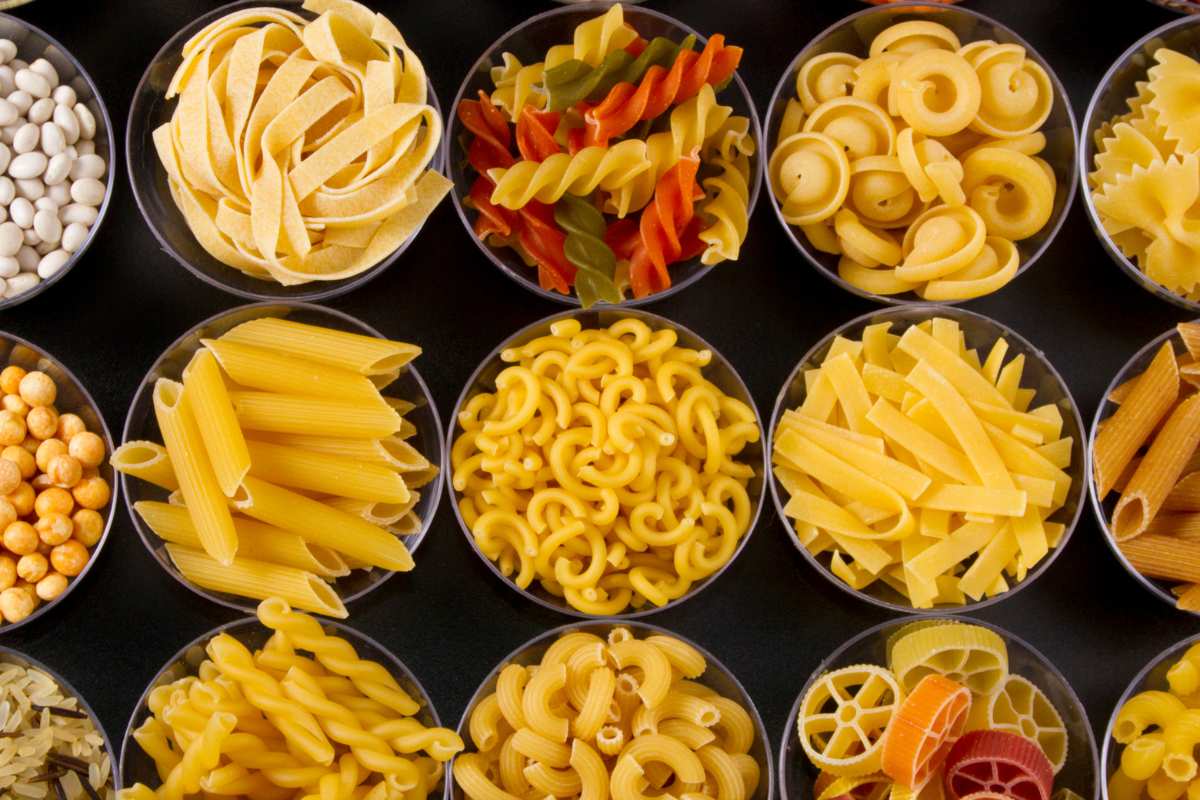
There are between 300 and 400 types of pasta consumed in Italy and they can be classified into dry and fresh pasta (and these can also be filled), short, thin, smooth, ridged.
What format do you choose?
There are at least a dozen of them, including long pasta and short pasta:
Long pasta?
Or short pasta?
Smooth or rough?
Also based on the characteristics of the surface, the pastes are distinguished into:
How to choose the right pasta shape for each seasoning?
Not all pastas match seasonings in the same way. The shape and surface, in fact, influence the ability of the pasta to retain the sauce. Spaghetti and linguine go well with oil, tomato and fish-based condiments, while penne and rigatoni, thanks to their tubular shape, better accommodate thicker sauces rich in ingredients.
Ribbed pasta generally retains sauces better than smooth ones, while concave shapes, such as shells and orecchiette, are perfect for picking up vegetables, legumes and small pieces of seasoning. Tagliatelle, on the other hand, lend themselves particularly well to ragù and creamy sauces.
Another detail not to be underestimated is cooking al dente: in addition to preserving a pleasant consistency, pasta cooked for less time tends to have a lower glycemic response than the same pasta that is cooked for a long time.
The dough, a matter of taste and needs
According to Presidential Decree no. 187/01, depending on the ingredients and the different analytical parameters, the pastes are divided respectively into:
All the benefits of pasta
Curiosities
Not everyone knows that in history there have been those who didn’t say good things about pasta. He was the German philosopher Arthur Schopenhauer who defined it as “the diet of the resigned”, because some believed it could cause mental illness.
The futurist poet Filippo Tommaso Marinetti, however, accused pasta of killing the noble and warrior soul of Italians. In the Futurist Cuisine Manifesto the abolition of pasta was praised
absurd Italian gastronomic religion accused of counterfeiting with the lively spirit and passionate generous intuitive soul of the Neapolitans (…) When eating it they develop the typical ironic and sentimental skepticism which often truncates their enthusiasm.
