

Anyone who has a south-facing balcony knows the problem well: with the heat of July and August, many plants burn out within a few weeks. Petunias and geraniums are popular choices, but they require frequent watering and constant attention to maintain a decent appearance during heat spikes.
There are alternatives that are much better suited to these conditions: succulent or semi-succulent plants that produce abundant blooms, tolerate drought and thrive precisely where the sun is most intense. Below you will find those that give the best results on a warm balcony, with practical indications on how to best grow them.
Delosperma
Delosperma is a succulent ground cover plant with fleshy and compact leaves, capable of quickly covering the surface of a box or falling elegantly from the edge of a vase. It produces small but very dense flowers, in shades ranging from bright yellow to intense fuchsia, and flowering lasts throughout the hot season without interruptions.
It tolerates very high temperatures and shows no signs of suffering even on the hottest days. The more hours of direct sun it receives, the more abundant the flowering. The only indispensable condition is a very draining substrate: like all succulents, it suffers from excess water much more than drought. In balcony boxes with soil mixed with perlite or coarse sand it works very well, requiring watering only when the soil is completely dry.
Mesembrianthus (Lampranthus) 
Mesembrianthemum flowers have an almost surreal quality: the petals appear shiny, with saturated colors ranging from bright orange to fuchsia, from yellow to pure white. They also have a curious behavior: they open only in direct sunlight and close in the evening or in overcast skies.
It is an ideal plant for southern exposures where the sun beats down strongly for many consecutive hours. The leaves are fleshy and accumulate water reserves, so they can handle periods of prolonged drought well. It prefers low, wide pots where it can expand in width, creating a compact and very colorful carpet effect. Watering should be reduced to a minimum: it is better to intervene every 7-10 days in summer, less in spring and autumn.
Purslane
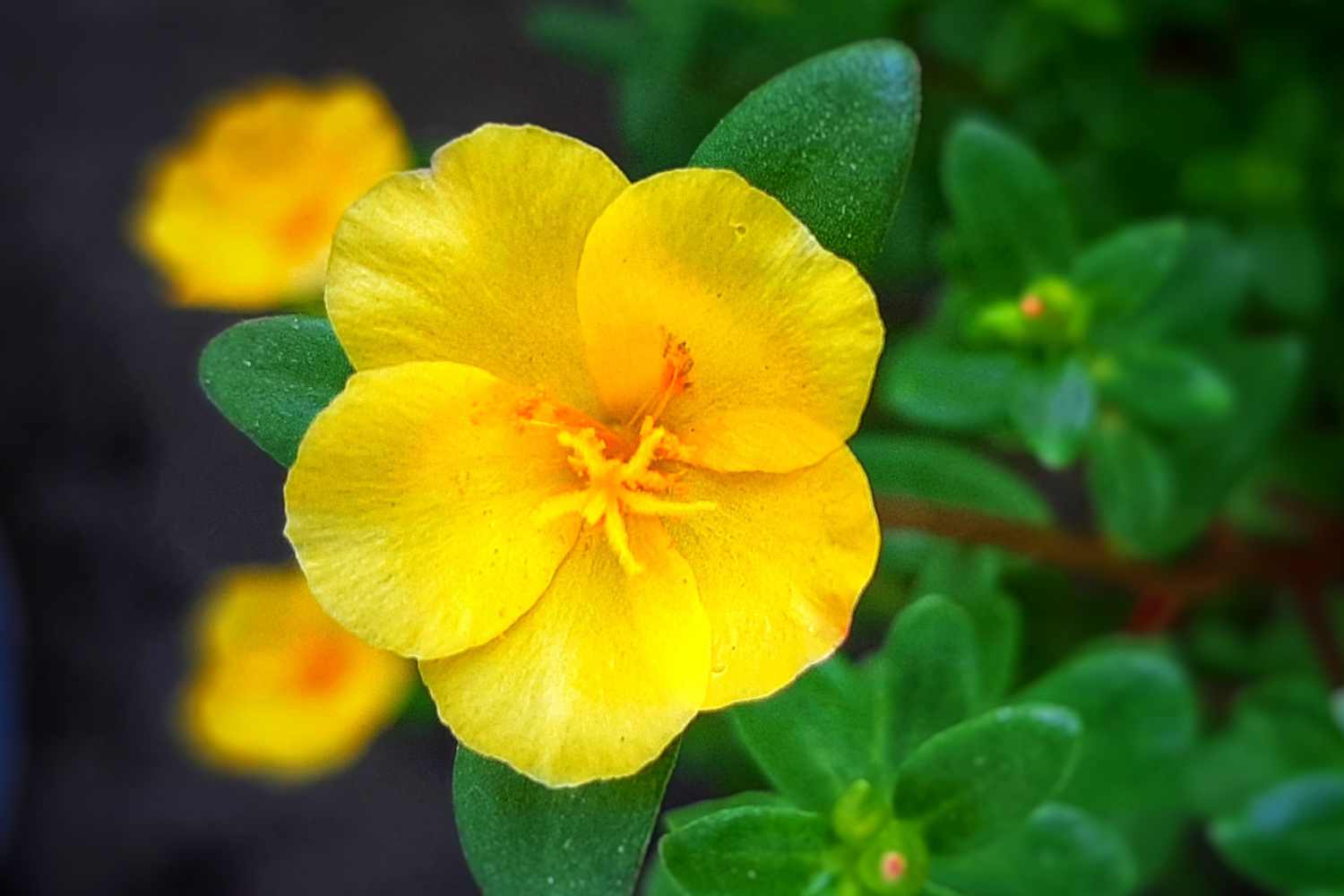
Of all the plants suitable for full sun, purslane is probably the one with the highest resistance threshold. It tolerates intense heat, direct sun all day, long periods without water and poor soil, continuing to produce flowers without interruption.
The flowers are small and colorful, with petals with an almost silky texture, available in almost all warm colors. There are varieties with a trailing habit, very suitable for boxes, and more compact varieties for single pots. It is one of the few plants that works even in difficult positions, such as in front of walls that reflect heat or in pots that dry out quickly. The fundamental rule is to give it a lot of light and little water: the most common mistake is to treat it like a plant to be watered regularly, while it works better with sporadic interventions.
Aptenia cordifolia

Aptenia is a fast-growing, semi-succulent plant with small, heart-shaped, bright green, fleshy leaves. It continuously produces small pink or fuchsia flowers throughout the hot season, even without special care.
It is one of the best choices for those looking for a trailing plant that fills the pot quickly and requires very little maintenance. It tolerates heat, wind and some forgetfulness in watering well. It grows well in boxes at least 15-20 cm deep, where it can develop a solid root system. Also in this case, drainage is a priority: the soil must dry completely between one watering and another.
Drosanthemum (Jupiter’s Beard)

The drosanthemum stands out from other balcony succulents for its lighter and fluffier appearance. The thin branches stretch and fall with a soft movement, covered with small flowers that catch the light in a particular way, almost as if they shine.
The flowering is less compact than the delosperm, but for this reason it is more elegant and natural. The colors vary from antique pink to lilac shades, with variations based on the intensity of the light. It grows quickly in hanging pots or boxes where it can descend freely. It has the same needs as other succulents: full sun, draining substrate and sparse irrigation. If allowed to dry properly between waterings, it blooms continuously all summer long.
Gazania
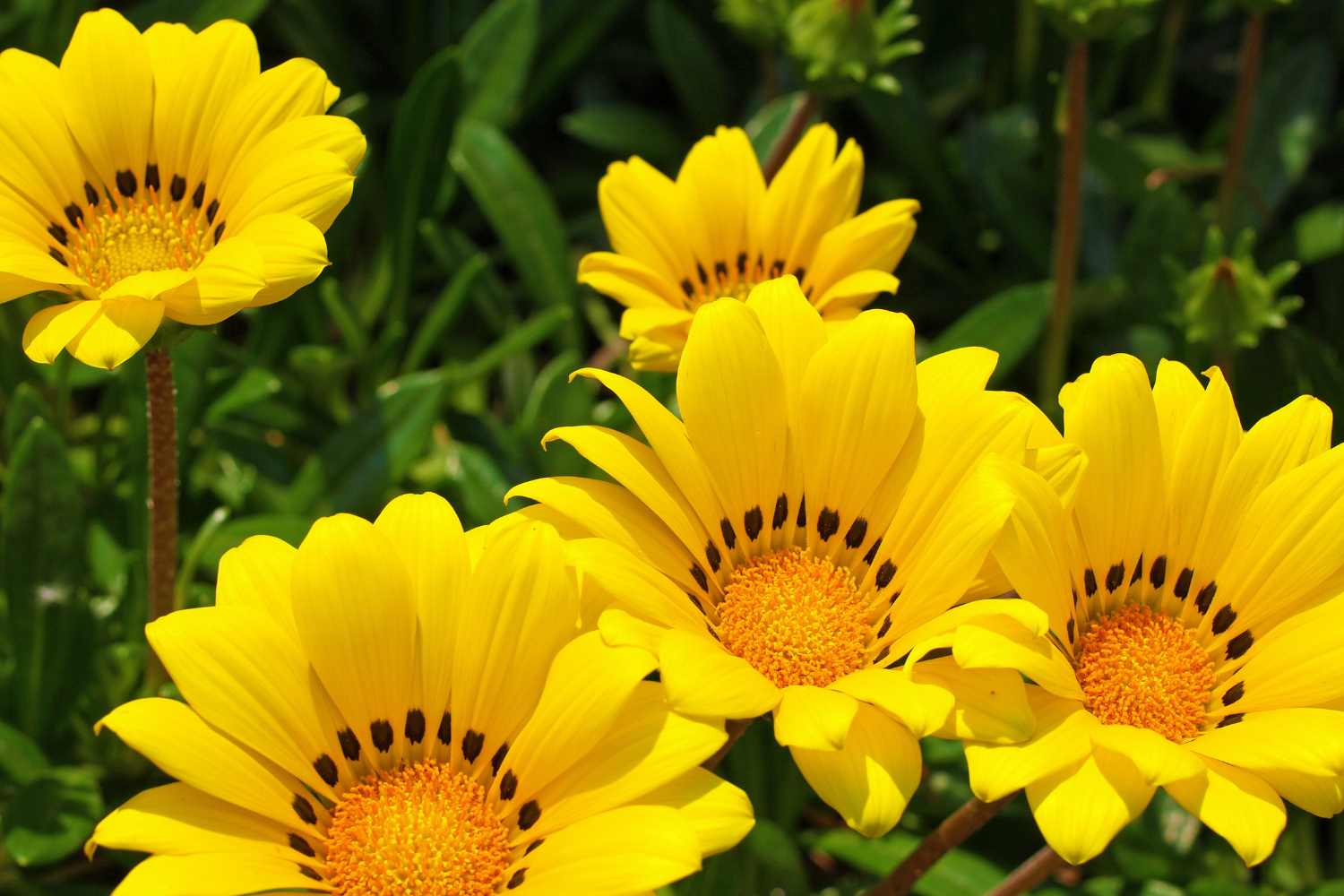
Gazania is a perennial herbaceous plant that produces large flowers, similar to daisies, with intense colors and often two-tone: orange petals with brown streaks, yellow with red edges, white with a dark center. Like mesembryanthemum, it opens its flowers only with direct light and closes them at night.
It resists dry heat and drought very well, thanks to deep roots that seek moisture deeply. It prefers sandy and well-drained soils, and instead suffers in compact substrates that retain water. On a balcony in full sun it gives its best: flowering is prolonged from spring to autumn, with a continuous production of new buds. It should be pruned periodically, eliminating dried flowers to stimulate the growth of new stems.
Lantana
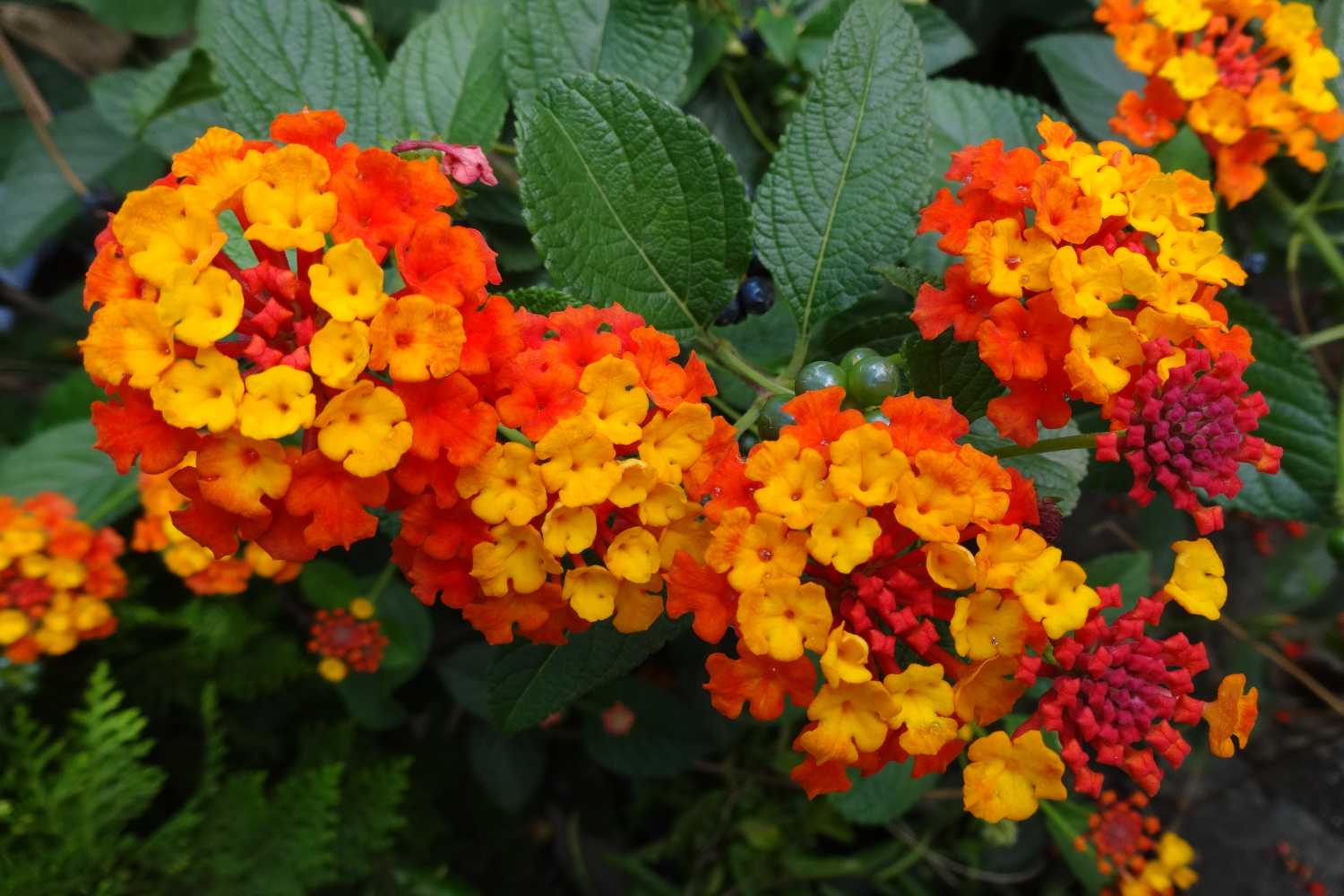
The lantana is shrubby, with a bushy habit that lends itself to both single pots and large boxes. The flowers are collected in small spherical clusters and change color as they mature, often going from yellow to red or from orange to pink, creating a very spectacular multicolored effect.
It tolerates direct heat without problems and, once rooted well, can also withstand periods of drought. In areas with long, hot summers it continues to flower until the first cold nights. It needs regular pruning to maintain a tidy shape and stimulate the production of new flowers. Keep away from children and pets because the berries are toxic.
Sedum (Borracine)
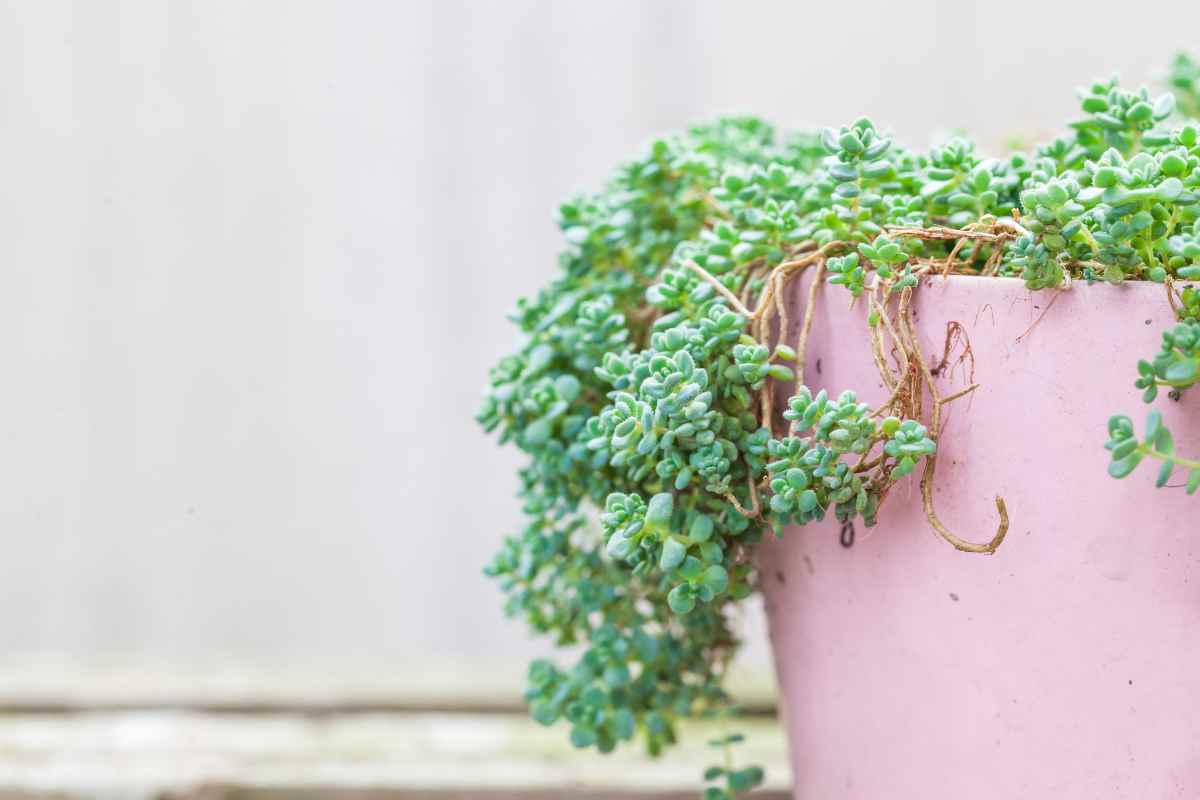
Sedum is a very large genus that includes dozens of species, but those suitable for sunny balconies have in common succulent leaves, often with blue-green or reddish hues, and a resistance to drought that surpasses almost all other ornamental plants.
The ground cover varieties, such as Sedum reflexum or the Sedum spuriumdo very well in shallow boxes and produce yellow or pink starry flowers in summer. The more upright varieties, such as the Sedum spectabilethey form compact plants with large flat inflorescences that are also highly appreciated by butterflies. Sedum requires almost no care: a porous substrate, full sun and sporadic watering are all it needs to thrive even in the hottest months.
Note common to all these plants: the main enemy is not the heat, but water stagnation. A well-draining substrate – soil mixed with perlite or pumice in a 60/40 ratio – is the basis for obtaining satisfactory results. With the right conditions, these plants require much less time to bloom than traditional blooms and ensure a colorful balcony throughout the summer season.
