
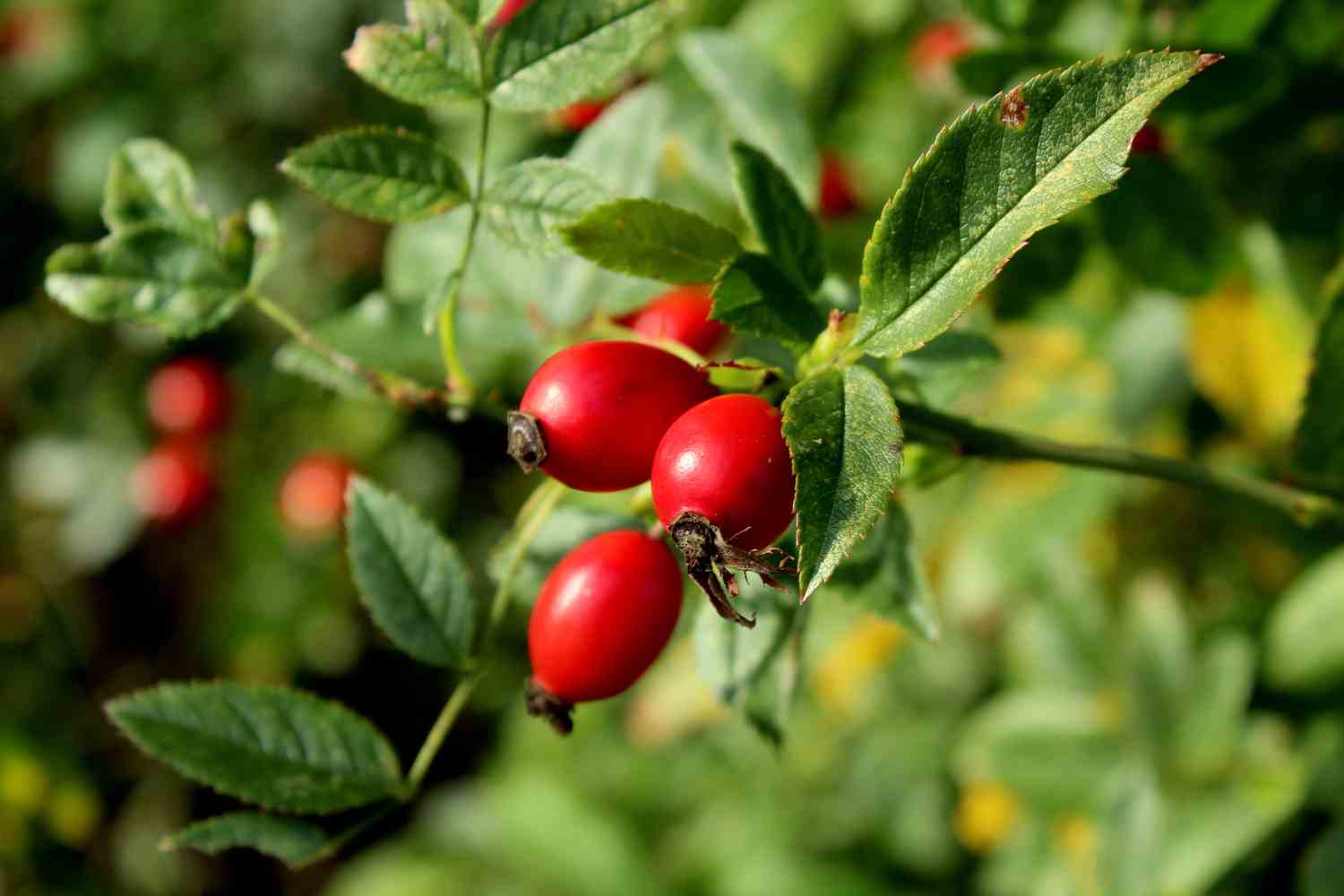
The name may make you smile, and perhaps even turn up your nose, but the so-called “ass-scratchers” are anything but insignificant. Behind this popular expression lies one of the most interesting spontaneous fruits of the European tradition: the berries of the dog rose. Small, red and often ignored along country paths, they represent a natural concentration of beneficial properties and a perfect example of how nature makes precious resources available even in the simplest and wildest contexts. They are commonly called scratchers/pinzincule due to the irritating itch on the skin caused by the hairs covering the seeds.
To really understand what scratchers are, you need to start from a simple fact: it is not an exotic or rare fruit, but something that grows practically everywhere, without the need for cultivation. Precisely this “normality” of theirs has made them a resource accessible to all for centuries, especially in rural areas, where they were collected and used in various fields, from cooking to popular medicine.
A curious name, but very concrete
The term “ass scratcher” comes from popular language and has an origin that is anything but metaphorical. It is not a casual or imaginative nickname: it directly and rather explicitly describes the effect that can result from incorrect use of these berries.
When you open a rosehip – this is the botanical name of the rosehip fruit – you will not find a uniform pulp like that of a cherry or plum. Inside there is a cavity full of small hard seeds, each covered with a thin, almost invisible hair. And it is precisely this hair that is responsible for the name.
The hairs that surround the seeds have a defensive function: they serve to protect the plant by discouraging animals and predators from eating the seeds indiscriminately. The problem is that, in contact with the skin or mucous membranes, they can cause irritation and intense itching, similar to that caused by nettles. If ingested without being removed, they can also cause discomfort during intestinal transit.
This is where the name “ass scratcher” comes from: a colorful, direct and decidedly effective term in describing the experience. It’s not elegant, but it’s extremely realistic. And in fact it has remained in common language, especially in rural areas, where these berries have been known and used for generations.
It is not surprising that in the past, internal fuzz was also used for pranks, a bit like “itch powder”. All it took was slipping a little into someone’s clothing to cause immediate discomfort. A use that today may seem childish, but which demonstrates how well known and concrete the irritating effect of this part of the fruit was.
The plant: resistant, widespread and very ancient
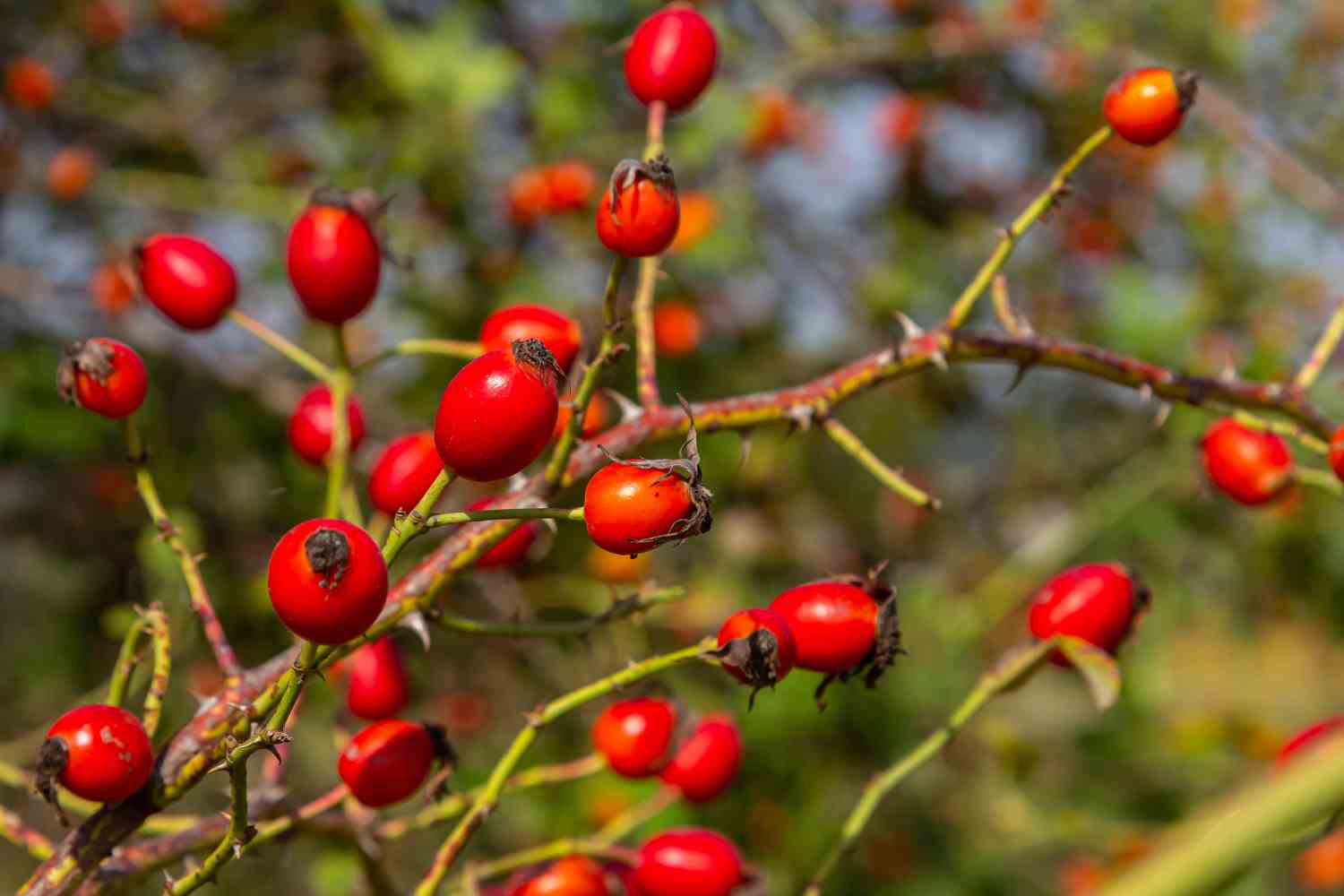
The berries in question come from the Rosa canina, a spontaneous plant belonging to the Rosaceae family. It is an extremely widespread species in Europe, including Italy, and grows without particular needs: along hedges, at the edges of woods, in uncultivated land and even in the driest hilly areas.
It is a robust shrub, with long and flexible branches, often covered with thorns. Its flowering occurs in spring: it produces simple flowers, generally pale pink or white, which are reminiscent of cultivated roses but with a more essential and wild appearance.
After flowering, towards the end of summer, the plant develops its fruits, the rose hips. These ripen in autumn, taking on the typical red-orange colour. They have an oval or slightly elongated shape and a fleshy consistency.
From a botanical point of view, it is interesting to note that rosehip is not a true fruit in the strict sense of the word. It is a pseudofruit: the fleshy part comes from the receptacle of the flower, while the real fruits are the small achenes contained inside, i.e. the seeds.
The history of the dog rose is very ancient. There is fossil evidence that indicates the presence of similar plants tens of millions of years ago. It was also known in classical culture: the Greeks called it “kunorodon”, while the Romans attributed medicinal properties to it. The name “canina” probably derives from a belief that the plant could cure dog bites.
A concentrate of nutrients
If the name doesn’t do these fruits justice, their nutritional profile does exactly the opposite. The berries of the dog rose are in fact extremely rich in beneficial substances, so much so that they are considered one of the most effective natural remedies in the European herbal tradition.
The most relevant fact is the very high content of vitamin C. In many cases, the concentration is higher than that of citrus fruits. This makes rose hips particularly useful for supporting the immune system, especially during the cold months.
Vitamin C is essential for numerous biological processes: it contributes to the production of collagen, supports the health of the skin, blood vessels and bones, and acts as a powerful antioxidant. That is, it helps to counteract free radicals, responsible for cellular aging.
But it doesn’t end here. Berries also contain flavonoids, polyphenols and carotenoids. These substances work in synergy, strengthening the antioxidant action and helping to reduce oxidative stress.
Furthermore, the presence of fibers also makes these fruits useful for intestinal well-being. They can promote more regular digestion and contribute to the balance of bacterial flora.
Benefits for the body
The nutritional properties of dog rose berries translate into various beneficial effects on the body, many of which are recognized both by popular tradition and by modern phytotherapy.
One of the main areas of use is to support the immune system. Thanks to vitamin C and antioxidants, these fruits help strengthen the body’s natural defenses, making them particularly useful during seasonal changes or in periods of greater stress.
Another interesting aspect concerns the anti-inflammatory action. Some mainstream studies and observations suggest that rosehip extracts may help relieve joint pain and stiffness. This is not a cure, but a natural support that can complement other approaches.
Your skin can also benefit from these compounds. Antioxidants and vitamin C help maintain skin elasticity and counteract the signs of aging.
On a digestive level, rosehip-based preparations have been used for centuries as light remedies to aid digestion and protect the intestinal mucous membranes. They have a delicate but useful effect in case of minor ailments.
The importance of preparation
However, there is a fundamental point to clarify: dog rose berries cannot be consumed as they are harvested. The presence of seeds and internal hair makes them potentially irritating.
For this reason, before use, it is necessary to clean them carefully. This means opening the fruits, completely removing seeds and hairs and processing only the external part of the pulp.
In traditional preparations, this process is often facilitated by cooking and filtering. The pulp is cooked and then passed through a sieve several times, in order to eliminate any irritating residue.
It is an essential step: without this attention, the risk is to transform a beneficial food into a source of annoyance.
Uses in the kitchen

Once cleaned, rosehip berries become a surprisingly versatile ingredient.
The best known preparation is jam. It has a particular flavour, slightly acidic and aromatic, vaguely reminiscent of berries. It is appreciated both at breakfast and in combination with cheeses, especially mature ones.
Infusions and herbal teas are also very popular. The dried berries are left in hot water, releasing a delicate aroma and a good part of their nutritional properties. It is a simple, but effective drink, especially in the winter months.
In some traditions, syrups and liqueurs are also prepared, often considered real natural tonics. These are ancient recipes, born in contexts where access to supplements or medicines was limited.
A spontaneous resource to be reevaluated
Butt scratchers are a perfect example of how popular language can be direct, ironic and, at the same time, deeply linked to concrete experience. But above all they represent a natural resource that is often underestimated.
We live in an era in which we look for exotic superfoods from other parts of the world, forgetting that even in our territories there are plants with extraordinary properties. The dog rose is one of them.
Easy to find, durable and full of benefits, it has been an integral part of daily life for centuries, especially in rural areas. Today it can be rediscovered in a modern way, both in the kitchen and in the field of natural well-being.
The point is simple: you just need to know what you’re collecting and how to use it. Because, beyond the unappealing name, these small fruits have a lot to offer. And ignoring them would be, frankly, a waste.
