
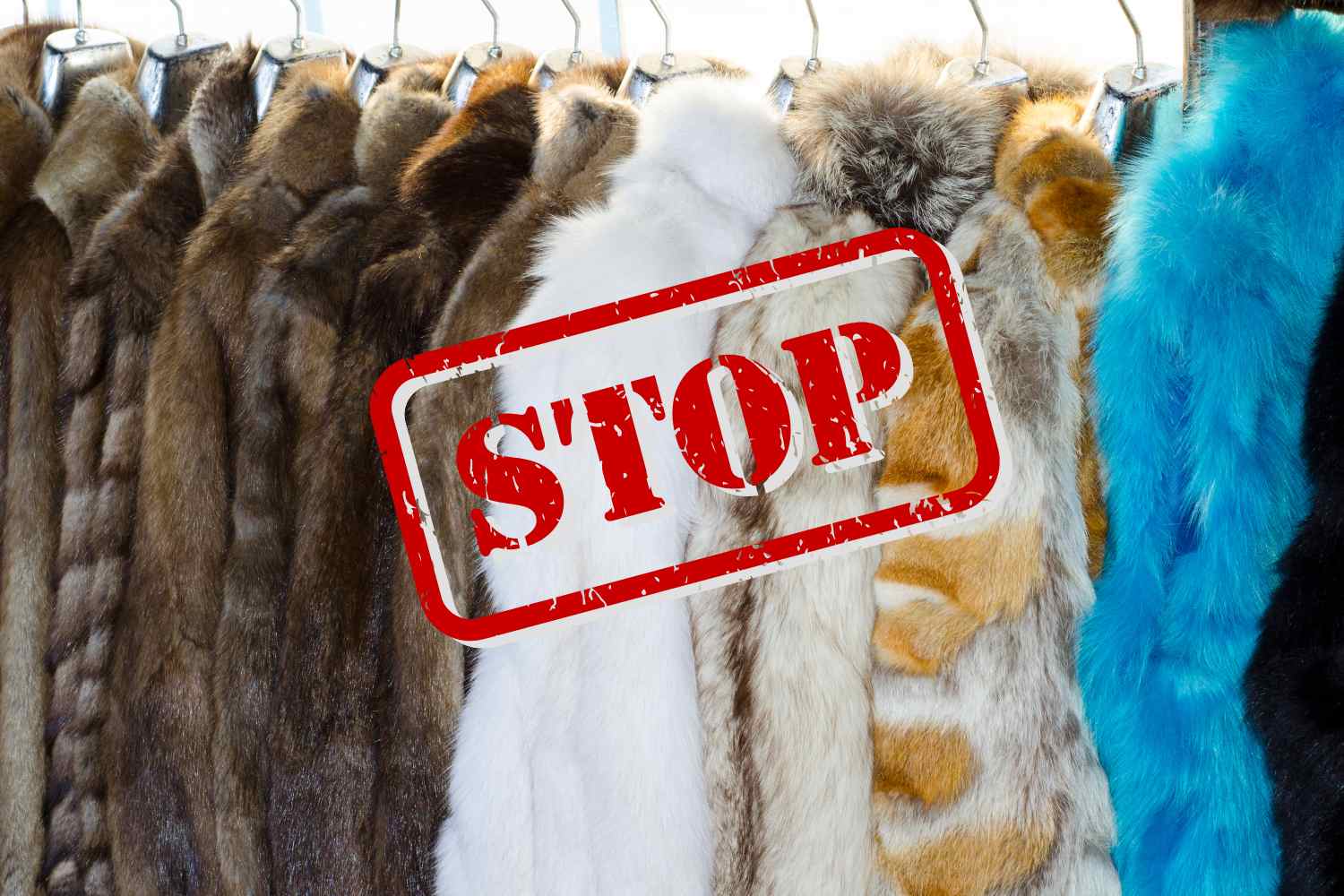
Switzerland takes an unprecedented step in the field of animal protection, becoming the first state in the world to directly enshrine in the animal protection law the absolute ban on the import and trade of fur obtained through cruel breeding methods. The goal was reached following the parliamentary process which saw the approval of the indirect counter-proposal to the popular initiative by the National Council and, with 43 votes in favor and 1 against, by the Council of States led by Senator Isabelle Chassot.
The institutional agreement thus bans products derived from species such as minks, foxes, raccoon dogs and chinchillas raised in cramped cages or subjected to serious ethological deprivation, implementing the scientific guidelines published in the report of the European Food Safety Authority of July 2025.
The introduction of official certifications managed by the USAV
The operational cornerstone of the new regulatory system is based on rigorous controls entrusted directly to the Federal Food Safety and Veterinary Office, known as USAV, excluding any form of self-certification or private label managed directly by the sector industry. Shopkeepers, boutiques and online retailers active in Switzerland will be required to demonstrate the ethical origin of the garments and the absence of suffering inflicted on animals during production.
This legislative change also arises thanks to the strong push exerted by animal rights organizations such as VIER PFOTEN, the Foundation for Animals in Law with Andreas Rüttimann, the Swiss Animal Protection with Marco Mettler and the Zurich Animal Protection with Nadja Brodmann, who supported the need to definitively archive the failed regimes of simple voluntary commercial declaration.
View this post on Instagram
The times of the transitional phase
Despite the approval of the law, Swiss shops will not immediately be emptied of the offending items, as the Federal Council has established a gradual transition phase to allow commercial operators to reorganize their stocks and reconvert their activities. Based on the decisions taken by the executive in the session of 5 June 2026, the commercial importation of these furs will remain permitted until 1 July 2029, while retail sale within the country will be fully prohibited starting from 1 July 2030. Until that deadline, garments made with practices contrary to the standards of the World Organization for Animal Health will continue to appear on the shelves, fueling the debate on the overall coherence of the protections applied.
The still unresolved issues linked to local recreational hunting
Various observers and environmental associations, including the Wild beim Wild collective, have in fact highlighted an important gray area which excludes from the ban skins obtained directly within national borders through recreational fox hunting, such as those recently marketed on the Thusis skin market at negligible prices. The contradiction raises a crucial ethical question as to whether the principle of animal welfare should only apply to foreign industrial farms and not also to local slaughter.
View this post on Instagram
