
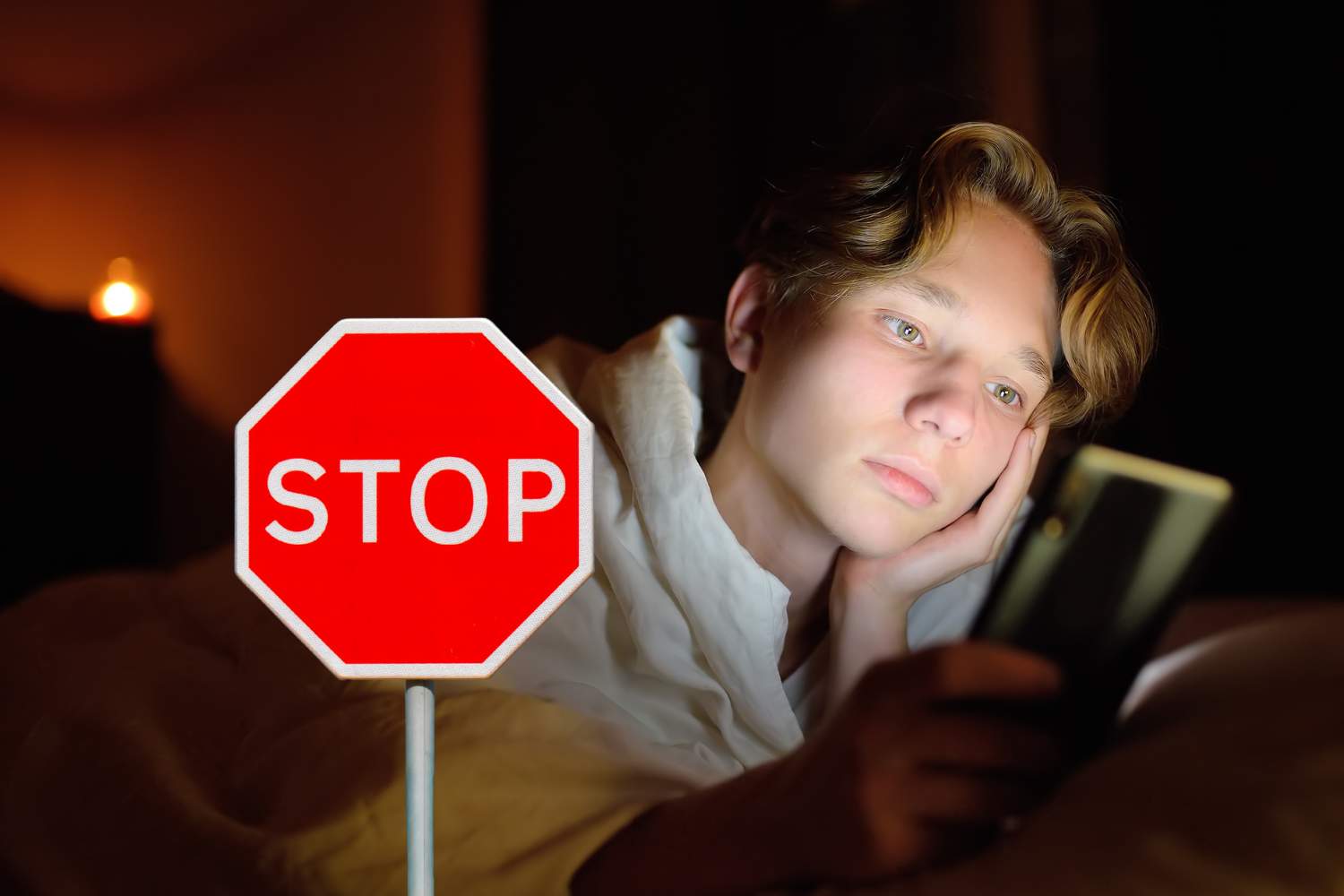
A clear crackdown aimed at redesigning the relationship between very young people and smartphones is about to arrive in Parliament in the form of an amendment to the safety decree. The proposal, developed with the decisive contribution of Palazzo Chigi and ready to be deposited by all the majority leaders with Fabio Rampelli as the first signatory, draws a precise boundary line based on chronological age.
For children up to 13 years of age there will be an absolute ban on registering and using any social media, while for the intermediate range included between 13 and 16 years a temperate regime is envisaged which prohibits the possession of a stand-alone accountallowing only the management of a profile directly linked to that of the parents. Full freedom to freely join digital platforms will be triggered only upon reaching the age of 16aligning Italy with an international movement that already involves governments like those of Australia, France And Englandin addition to following in the wake ofEu kids Act launched last September by European Commission.
The negotiation with Brussels and the political sparks between the majority and the opposition
The immediate adoption of this ban is made legally possible by a fundamental diplomatic step, since Italy had already notified Brussels of the bipartisan bill signed by Lavinia Mennuni and Marianna Madia. Precisely this prior notification made it possible to negotiate with the European Commission and obtain the necessary pass to avoid the community stop that it had instead a similar measure from Austria was blocked.
Despite the convergence on the final objective, the method chosen by the executive led by Giorgia Meloni sparked criticism from the opposition: Marianna Madia in fact recalled that the bipartisan text was ready and notified months ago but had been opposed in Parliamentjudging the inclusion in the security decree to be an improvised system. Barbara Floridia also expressed her regret for the same thing the lost years compared to other European countries and contrary to the general structure of the decree used as a regulatory vehicle, although the amendment remains open to further parliamentary contributions and modifications.
The enthusiasm of the world of schools and Italian psychologists
On the other hand, there is strong satisfaction on the part of those who have been calling for it for some time concrete barriers against the digital addiction of minors. The Minister of Education Giuseppe Valditara strongly welcomed the crackdown, supported by international studies which demonstrate how early use of smartphones compromises learning, attention, concentration and memory in students. Harsh words against them algorithms of the large platforms, accused of damaging the psychophysical health of children for commercial purposes, came from the same Fabio Rampelli. Finally, the scientific value of the intervention was secured by the applause from Aupithe unitary Italian Psychologists Association, which underlined the urgency of protecting children and adolescents from the dangers of early and unregulated digital exposure.
